History
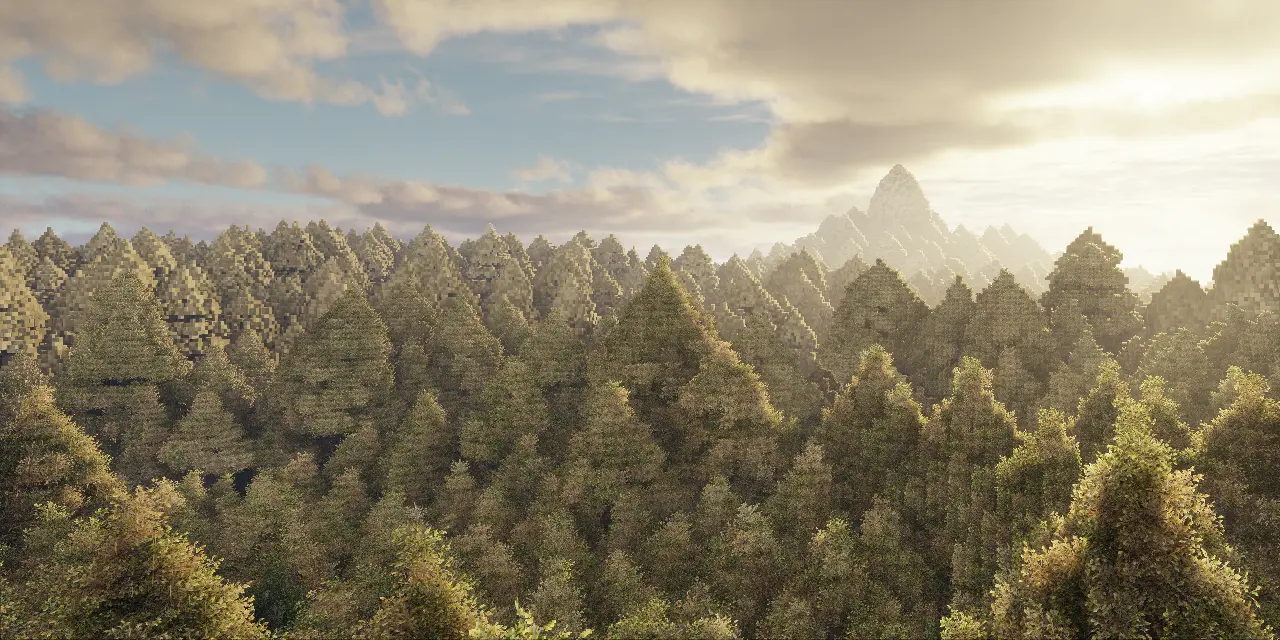
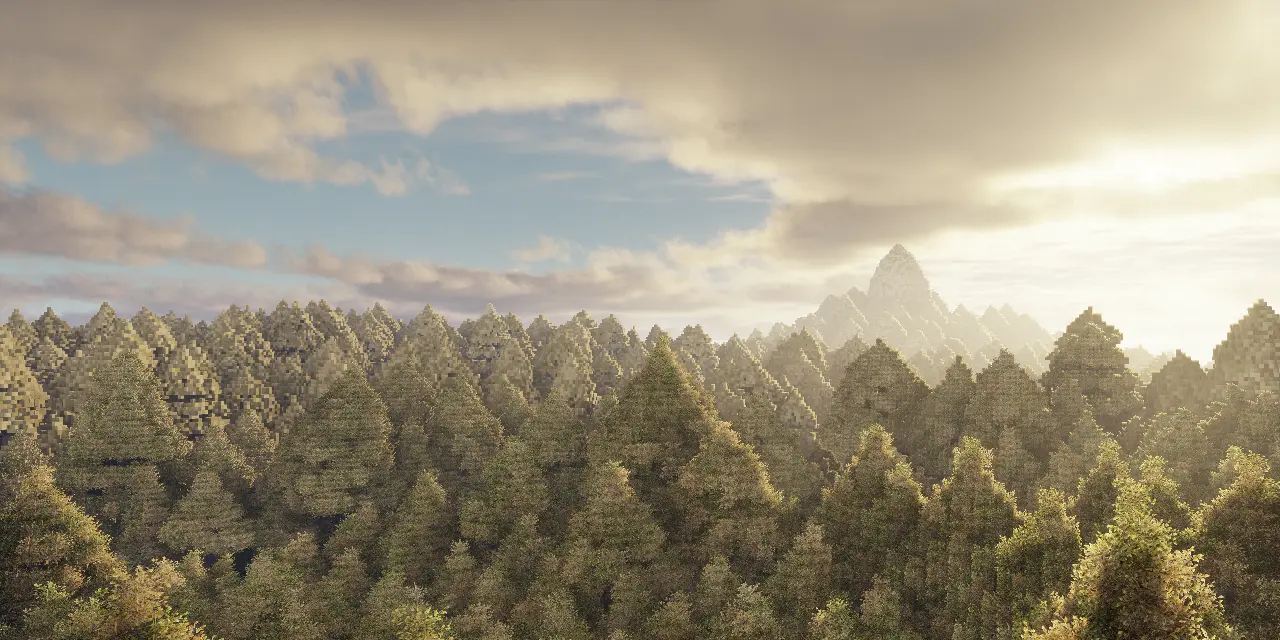
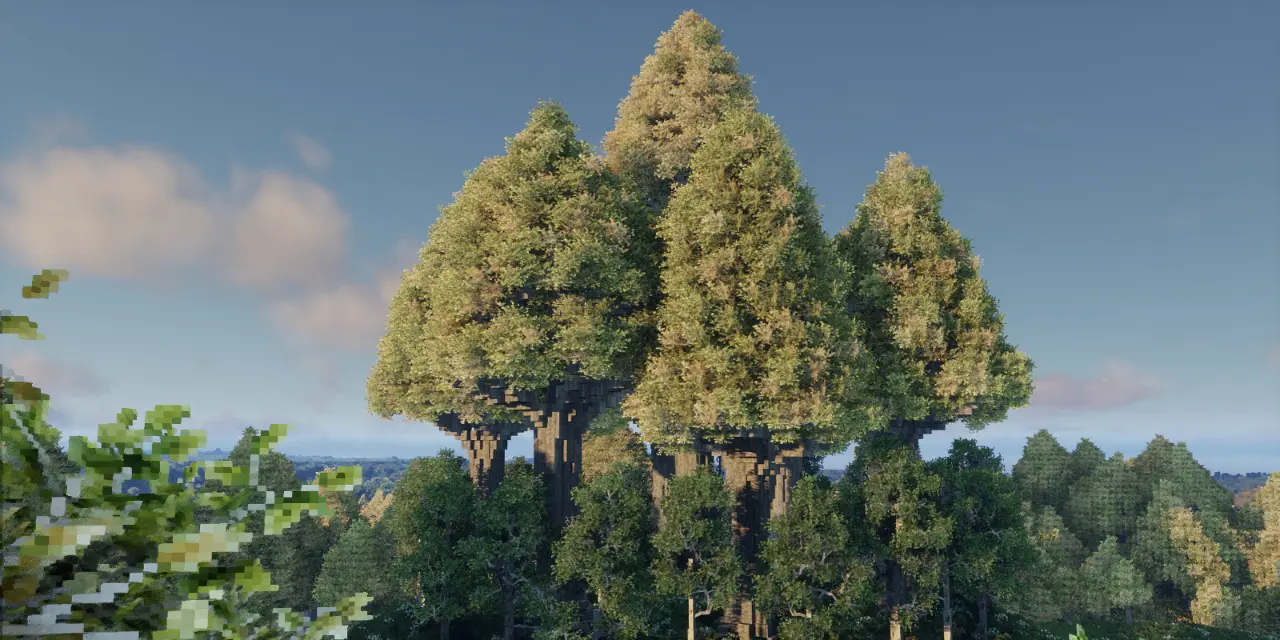
The area that would become Lothórien was first inhabited by the Nandor during the First Age, who refused to cross the Misty Mountains and lived in the forests of Wilderland. They named the forests that would become Lothlórien Lindórinand. At the beginning of the Second Age, many of the elves who had fled the destruction of Beleriand came to Lindórinand, including the elf Amdír and his son Amroth, who became King and began to organise the local Silvan elves. After the War of the Elves and Sauron and the Sack of Eregion, many of the elves formerly of Eregion came through Moria to Lindórinand. Among them were Galadriel and Celeborn, keeper of the ring Nenya. Under King Amdír, the elves of Lothórien joined the Last Alliance against Sauron, though many, including Amdír himself, died. As the Third Age began, Amroth became king, though like many of his kin he felt tired of Middle-earth and wished to sail to Valinor. He fled to the coast of Gondor with his lover, Nimrodel, after the fall of Moria in T.A. 1981, and was never seen again. Hereafter the title of Lord and Lady of the Galadhrim came to Galadriel and Celeborn, who consolidated the realm to the west of the Anduin and constructed Caras Galadhon, the new capital. Under the protection of the ring Nenya, Galadriel planted Mallorn trees, giving the land its golden colour- it was around this time the area became known as Lothlórien. As the years passed, Lothlórien continued to prosper, undecayed in its isolation, until the end of the Third Age.
Geography
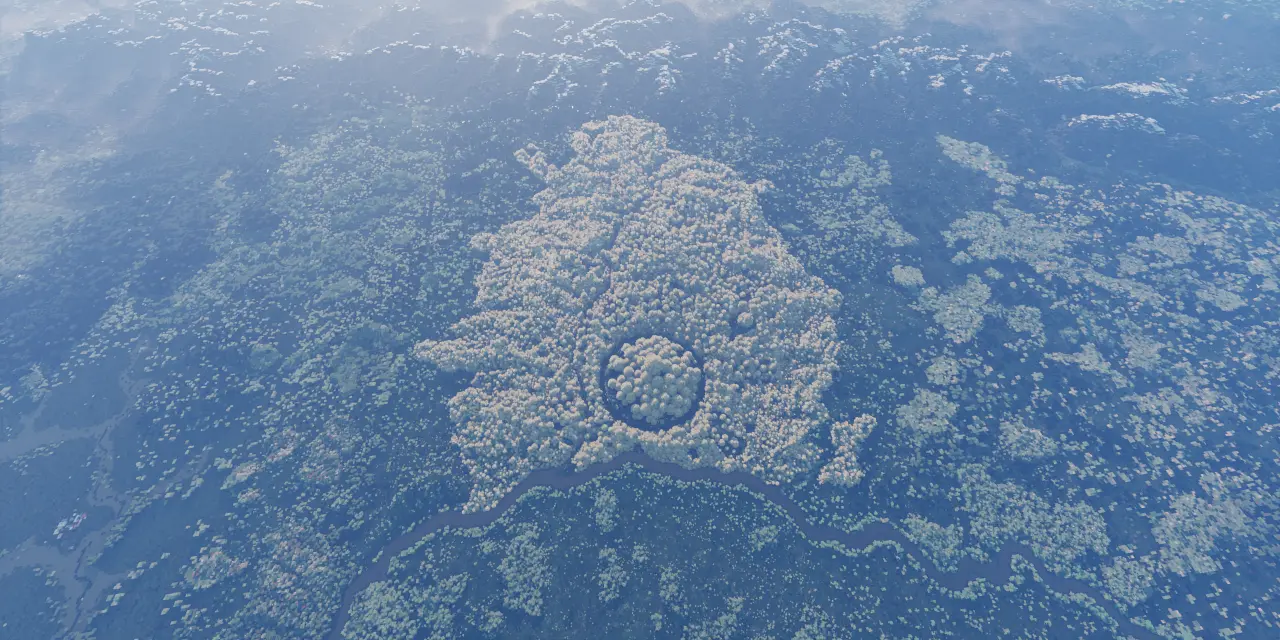
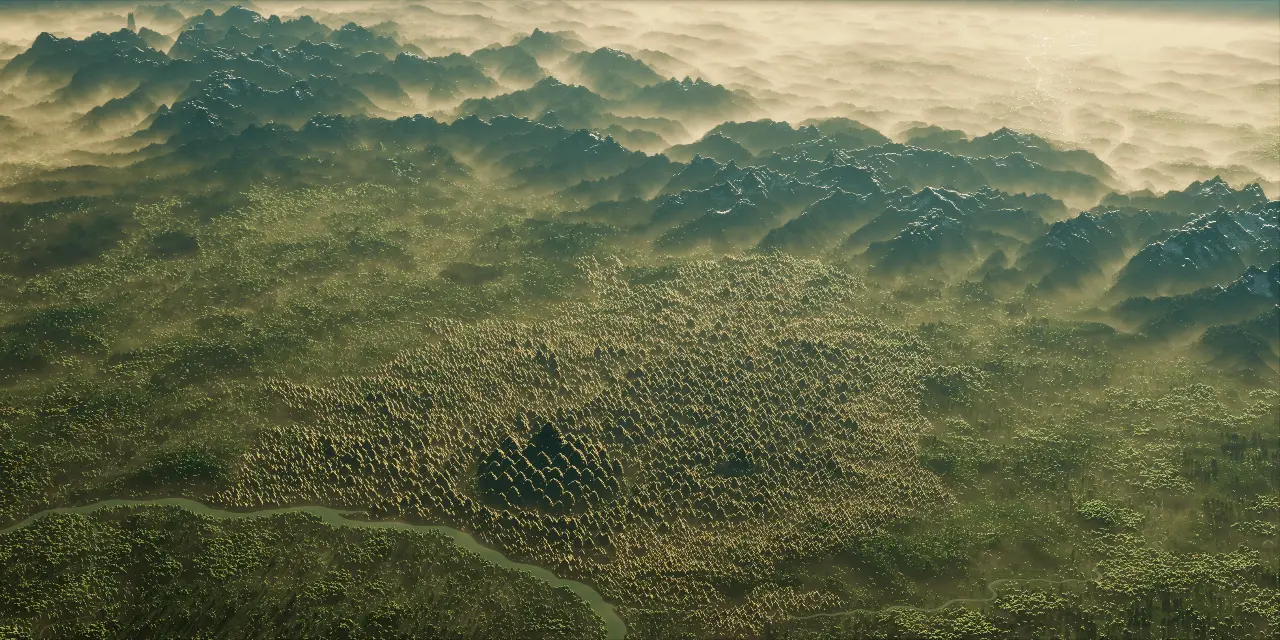
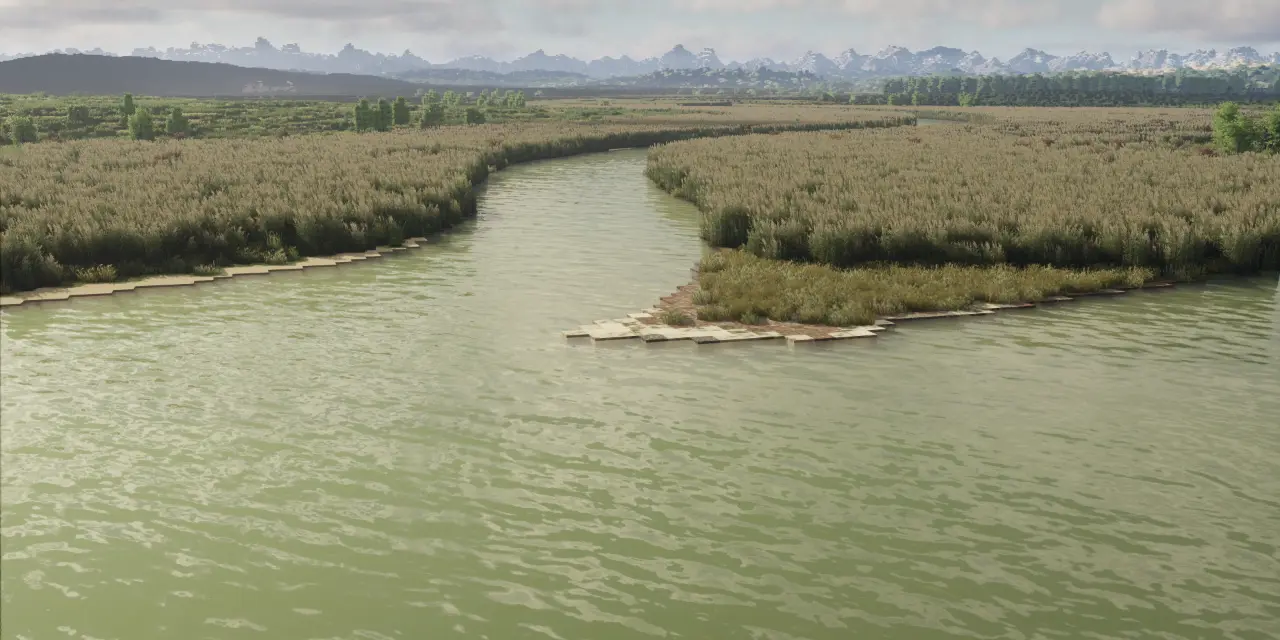
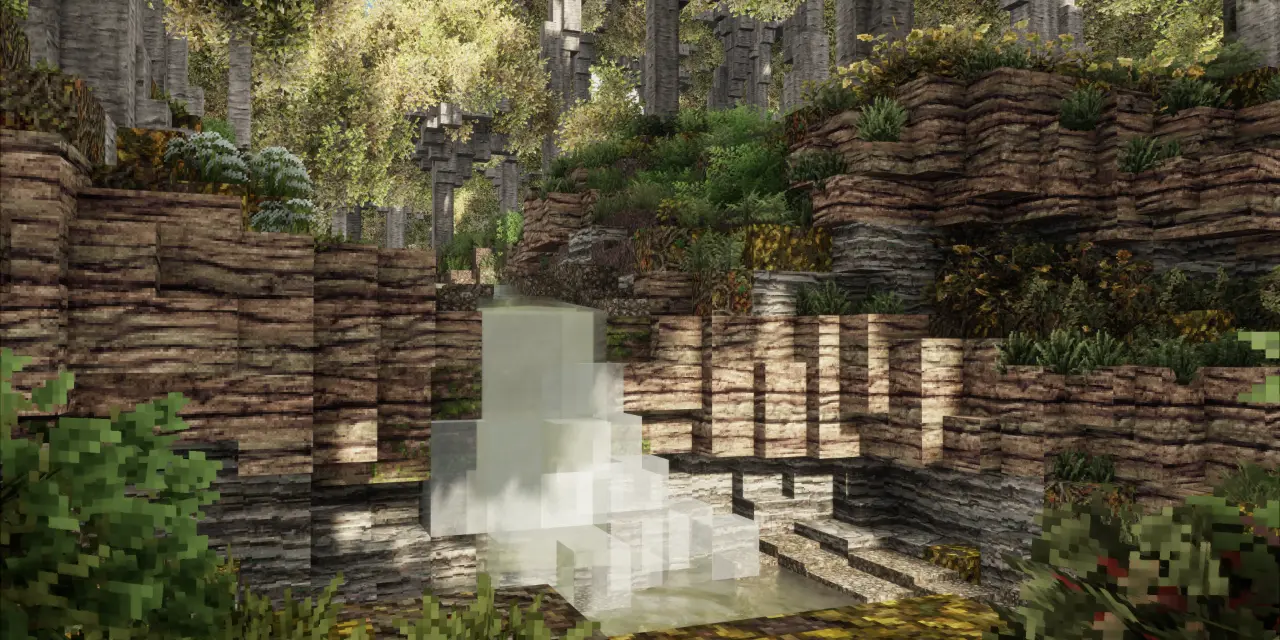
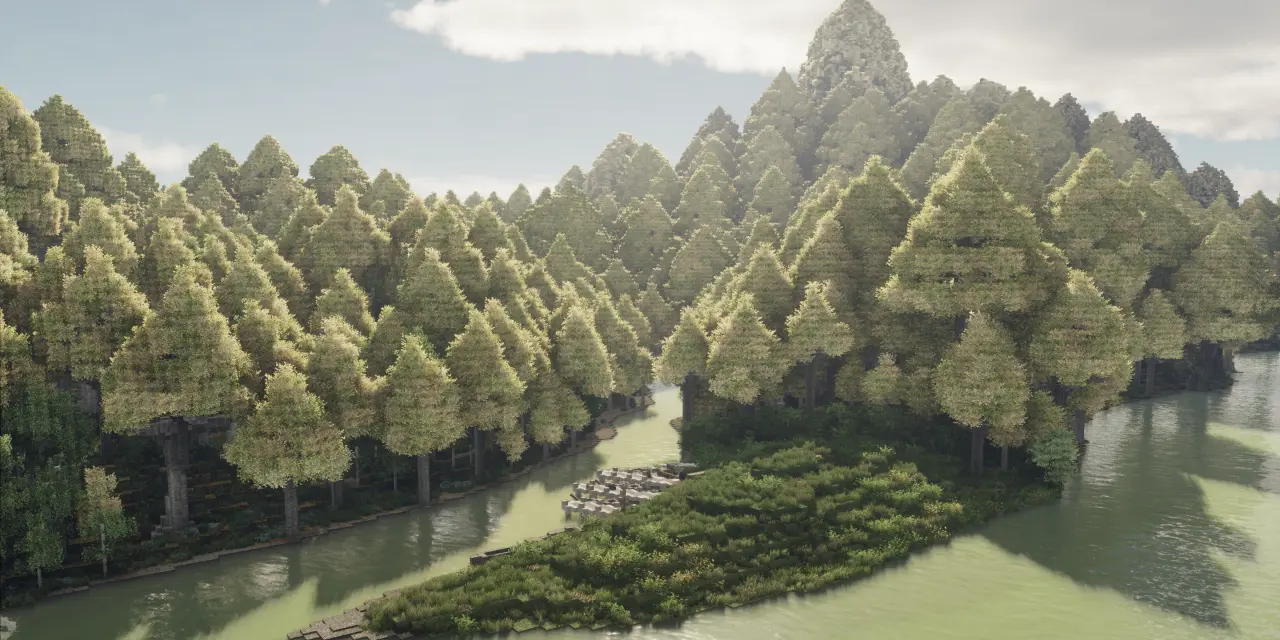
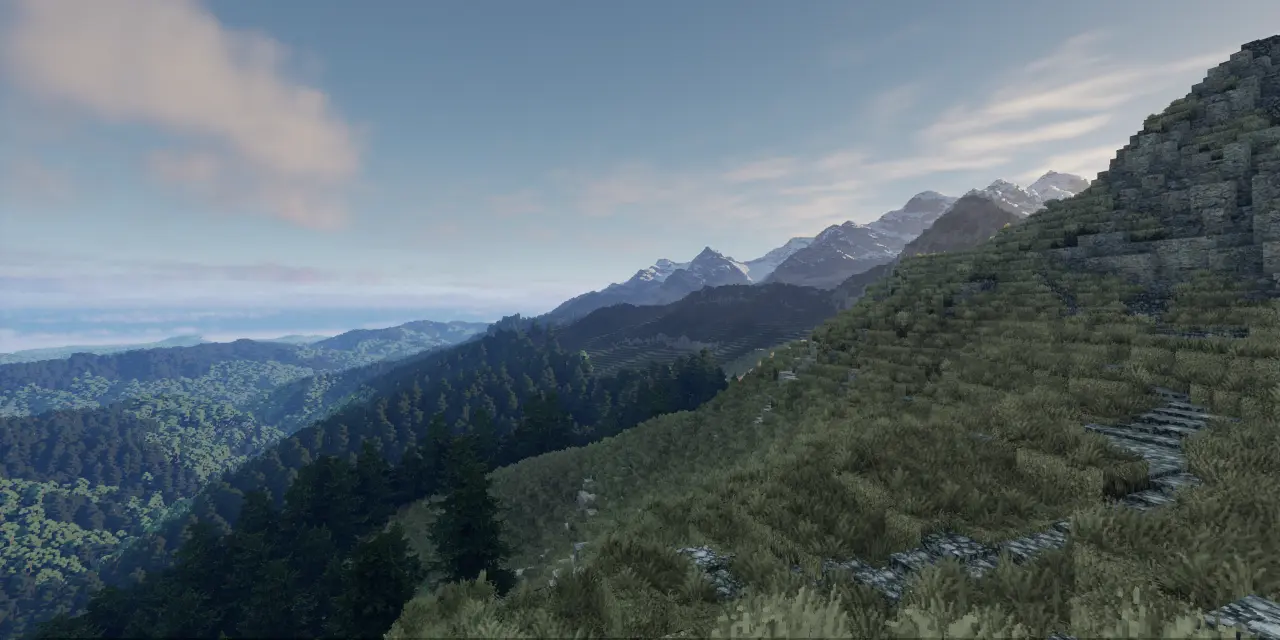
Lothlórien is located entirely within the forest of the same name, between the Anduin to the east and the Misty Mountains to the west. The forest itself is bisected by the Celebrant, a famous tributary of which is the Nimrodel. To the north are the marshlands of the Gladden Fields, and to the south is the Limlight, beyond which is the kingdom of Rohan and Fangorn Forest. Most of the elves in Lothlórien live to the north of the Celebrant and close to the Anduin, in an area known as the Naith, though smaller settlements and outposts exist beyond this area. Whilst most elves live in the city of Caras Galadhon, there are villages scattered among the forest where the Galadhrim also live. Northwest of Caras Galadhon is the hill of Cerin Amroth, the old home of Amroth, starkly opposing the fortress of Dol Guldur in nearby Mirkwood. Where the Celebrant meets the Anduin is a strip of lawn called Egladil, from which elven boats can be launched up either river.
Climate
Due to the power of the ring Nenya, Lothlórien is removed from the outside world, with a consistently calm and temperate climate.
Culture
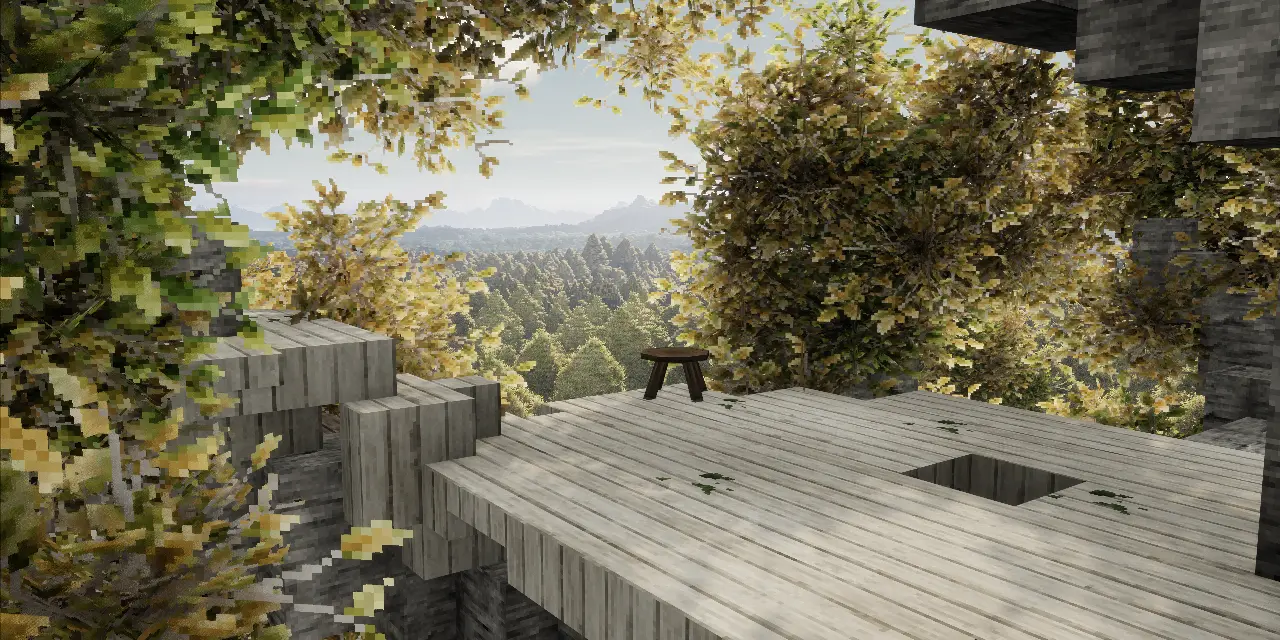
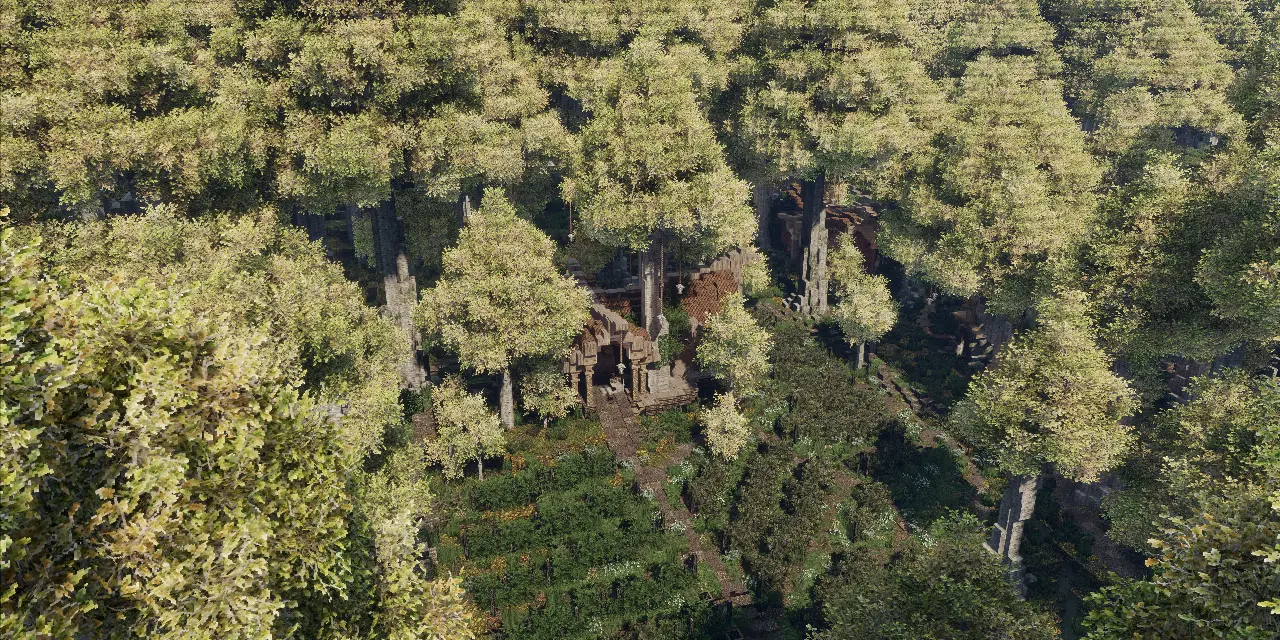
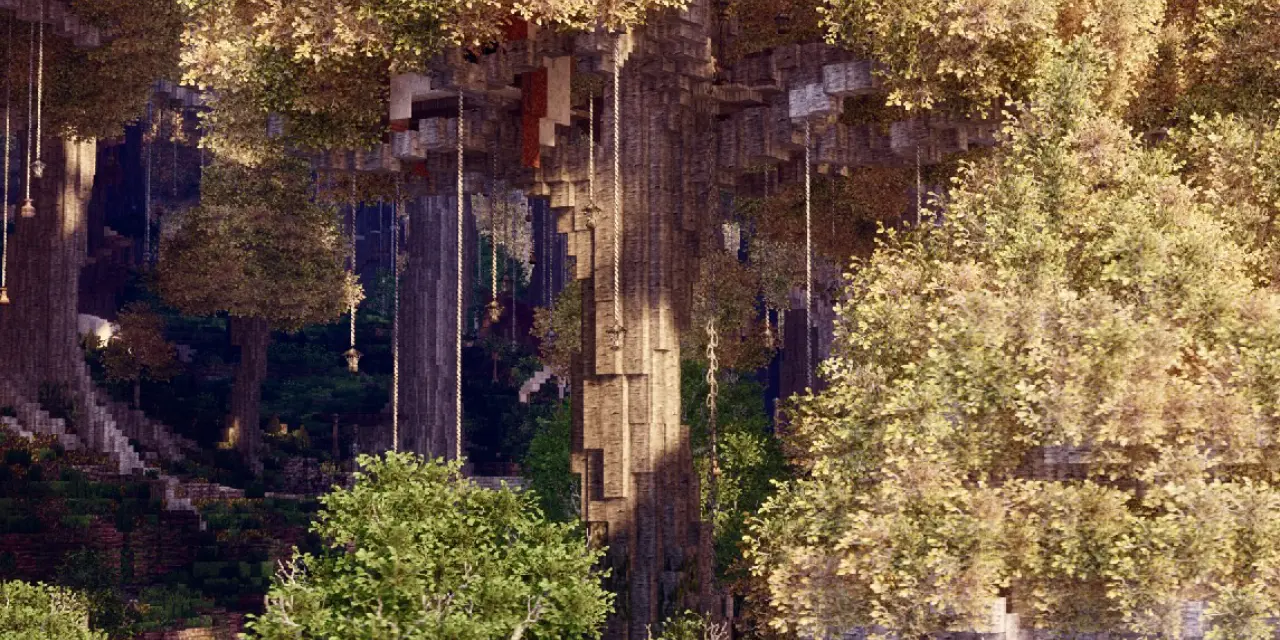
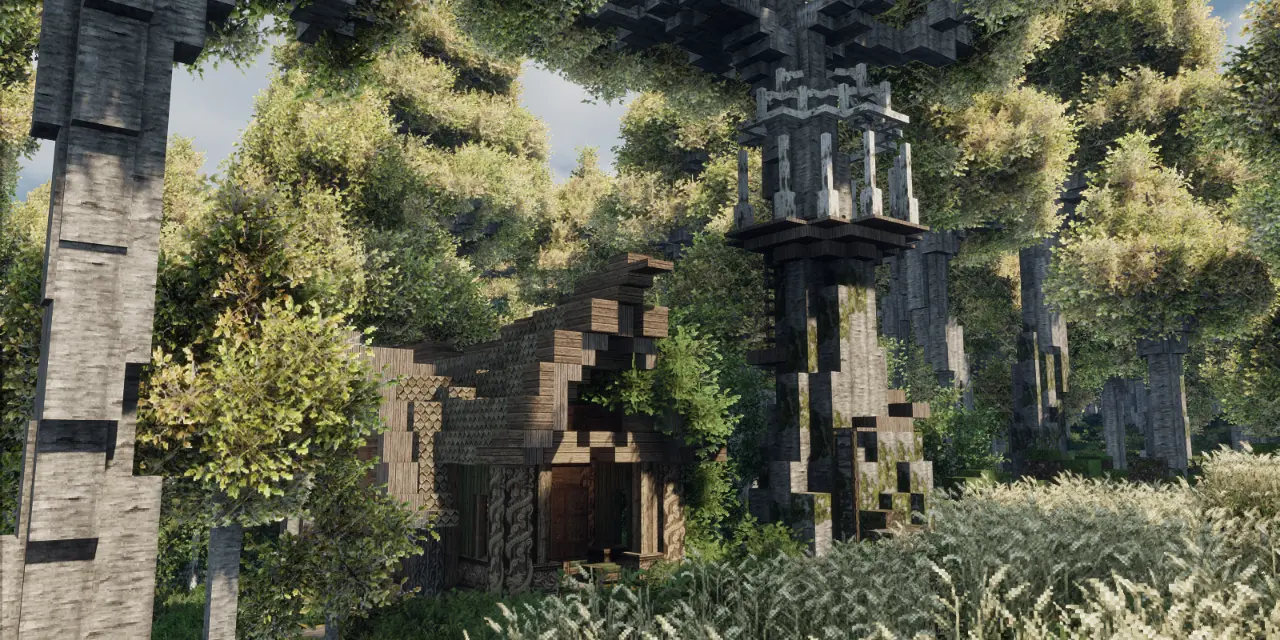
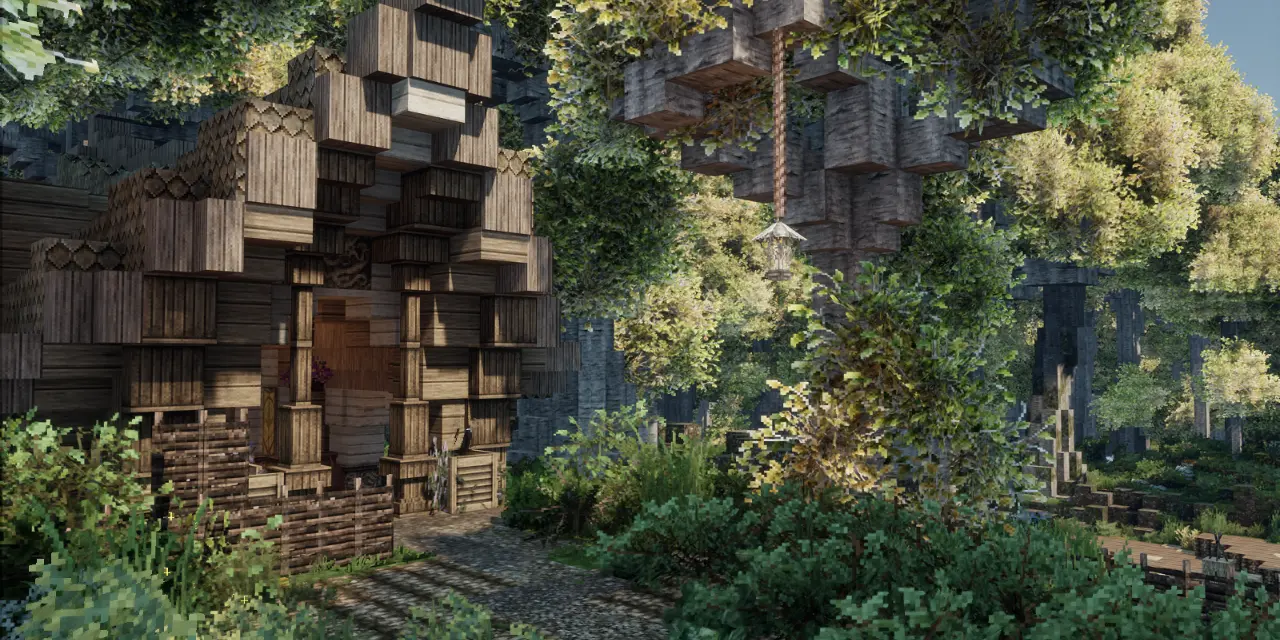
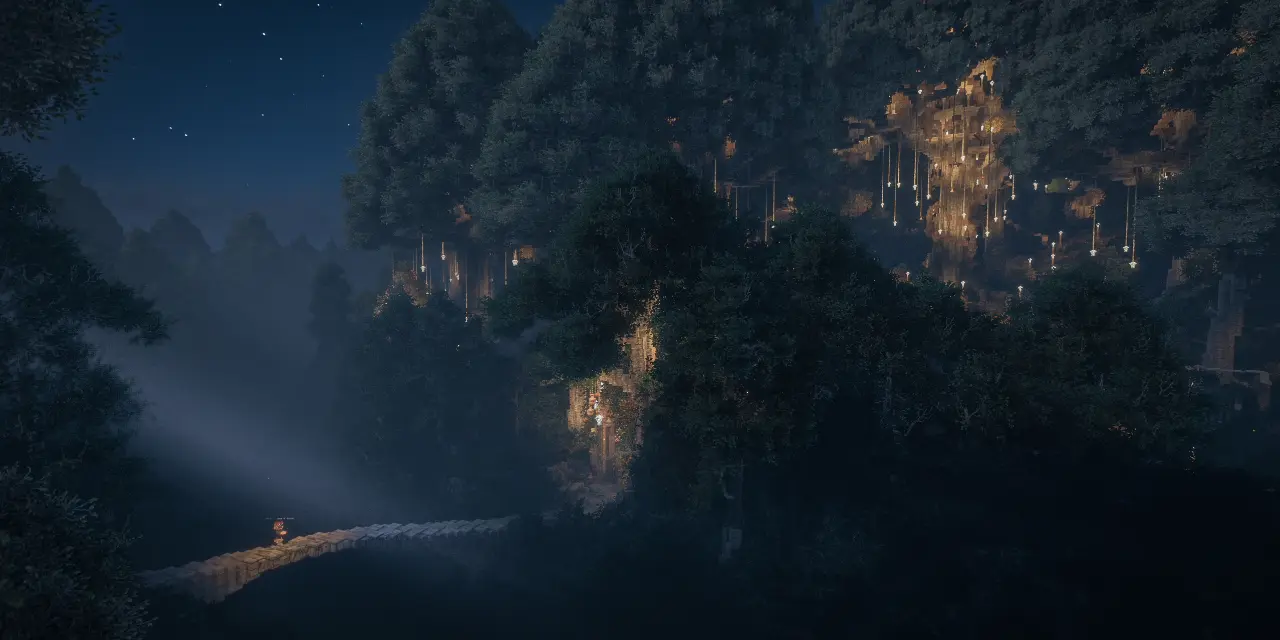
Though initially Nandor, the culture of Lothlórien was dominated by Silvan and Sindar influences as these groups migrated into the area. The elves of Lothlórien live within the trees, either within Caras Galadhon or smaller settlements in the woods. They live in harmony with nature, taking only what they need from the environment. The Galadhrim have a great love for song and stories, with sung tales often heard amid the woods of Lothlórien. Some elven women are able to make Lembas, an elven bread made only within Lothlórien, with a special wheat and recipe known only to those who create it. The Galadhrim are also talented craftspeople, able to make extremely strong rope and cloaks that conceal the wearer from the eyes of most.
Governance
Lothlórien is ruled by the Lord and Lady, Galadriel and Celeborn, from their home in the highest flet of Caras Galadhon. With the ring Nenya, Galadriel is able to exert much control over the forest and beyond, protecting it from the passage of time. Lothlórien has some form of organised military, with most of the population being adept fighters, and the borders of the forest are well patrolled. Galadriel is furthermore a member of the White Council, giving her a say in the affairs of the Wise.
Economy
Lothlórien is isolated from the outside world and thus has no external trade. Its inhabitants live mostly off of the land, save for some small-scale farming, as well as local manufacturing of specialised goods.