Not Started
ArdaCraft is a massive, ongoing collaborative project. These tags indicate where a specific location is in our development pipeline: awaiting construction (Not Started), actively being built by our team (In Progress), or fully finished and ready to explore (Completed).
Canon
Original locations created by the ArdaCraft team to fill in gaps left by J.R.R. Tolkien. It is carefully designed to remain completely faithful to the established Middle-earth canon.
One Ring to rule them all, One Ring to find them,
One Ring to bring them all and in the darkness bind them
In the Land of Mordor where the Shadows lie.
– Ring Verse
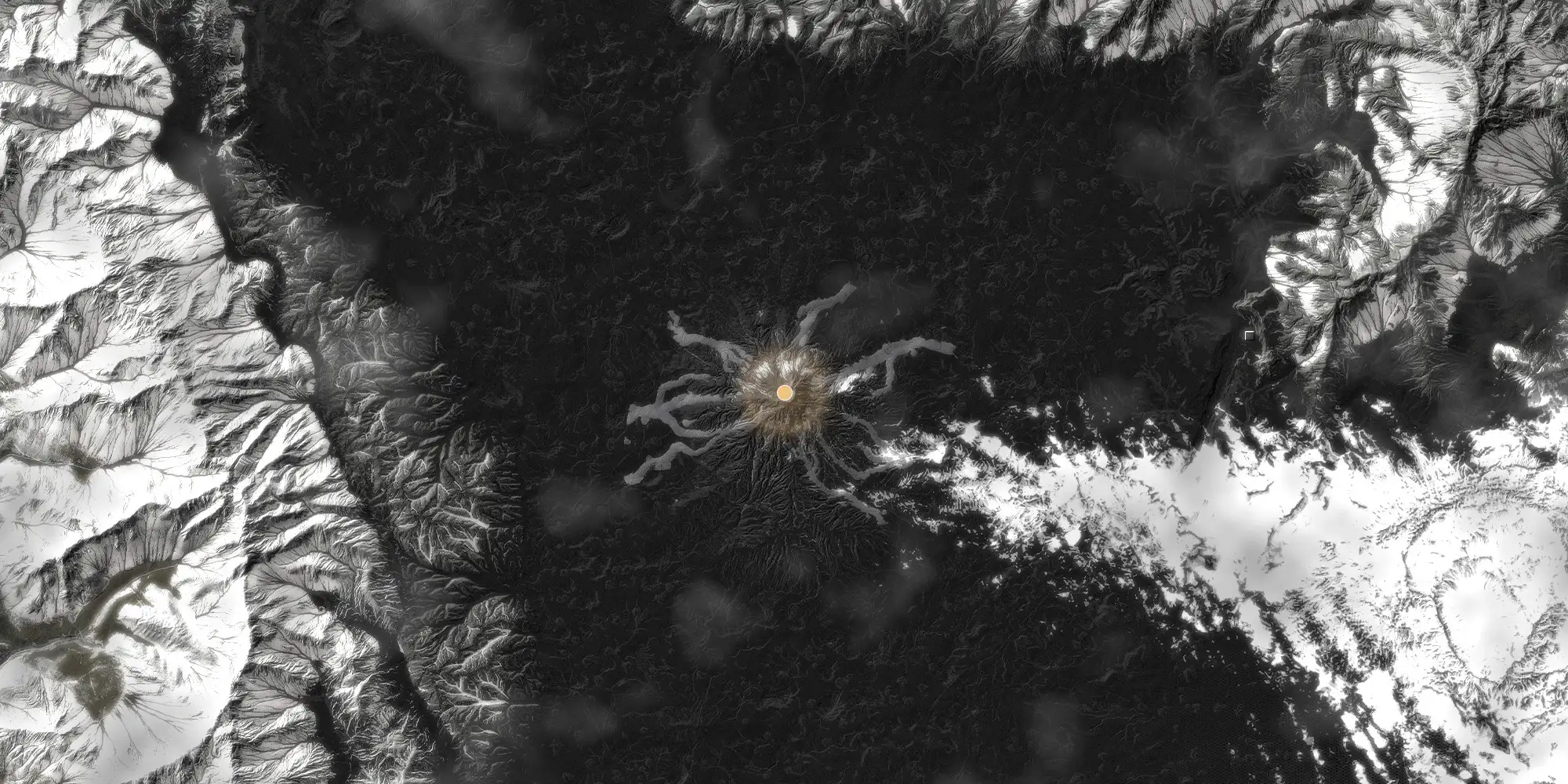
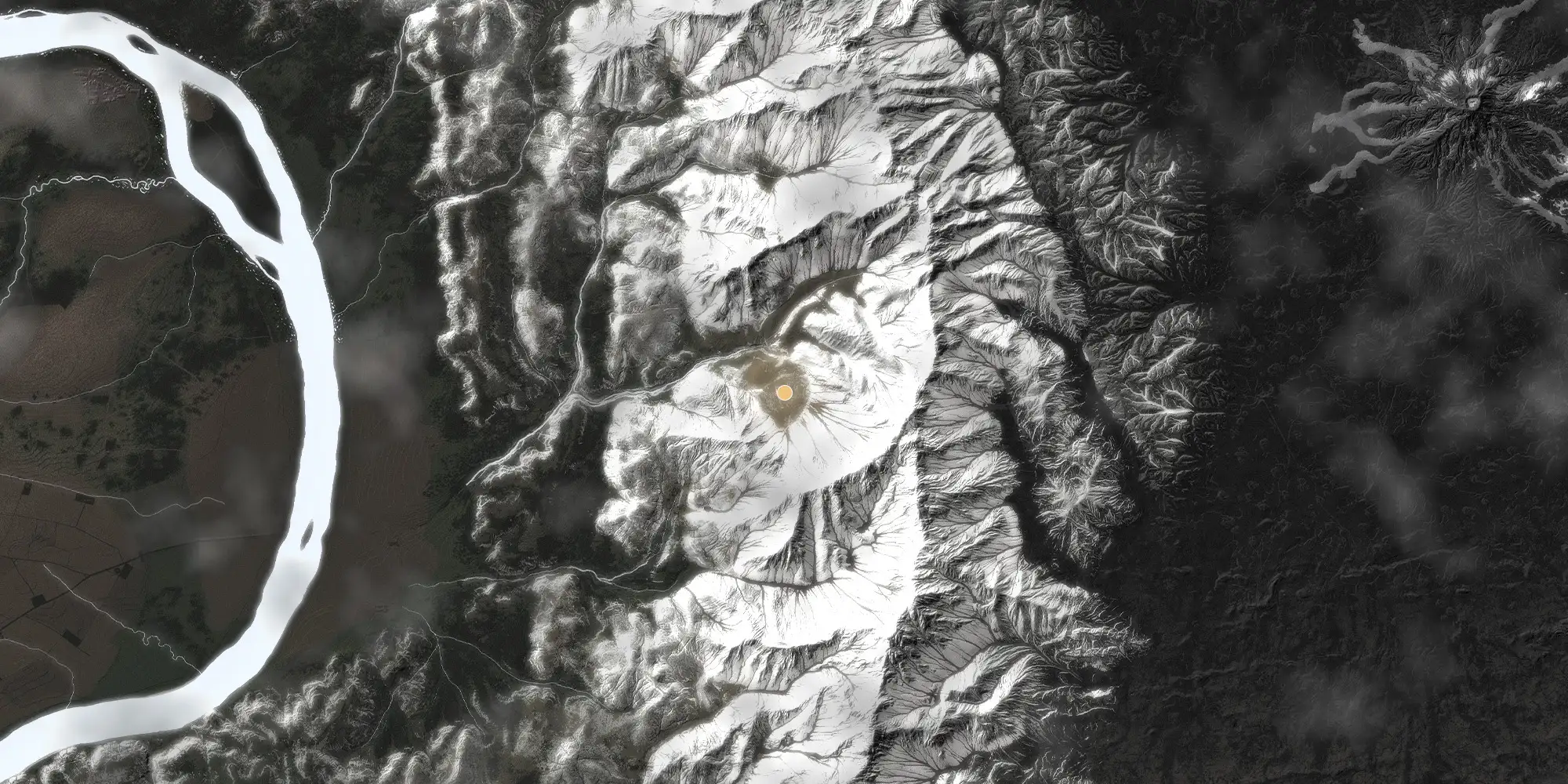
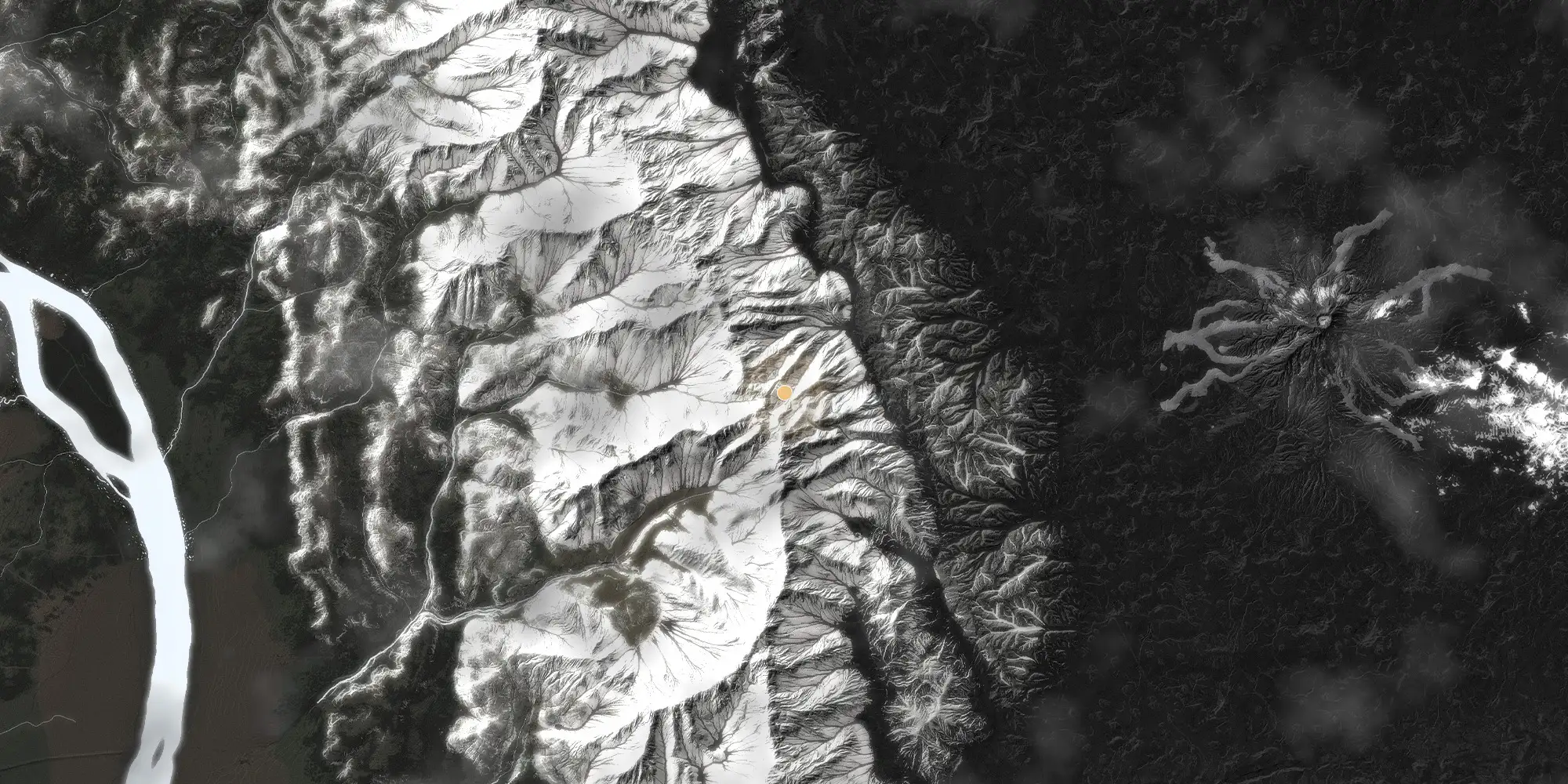
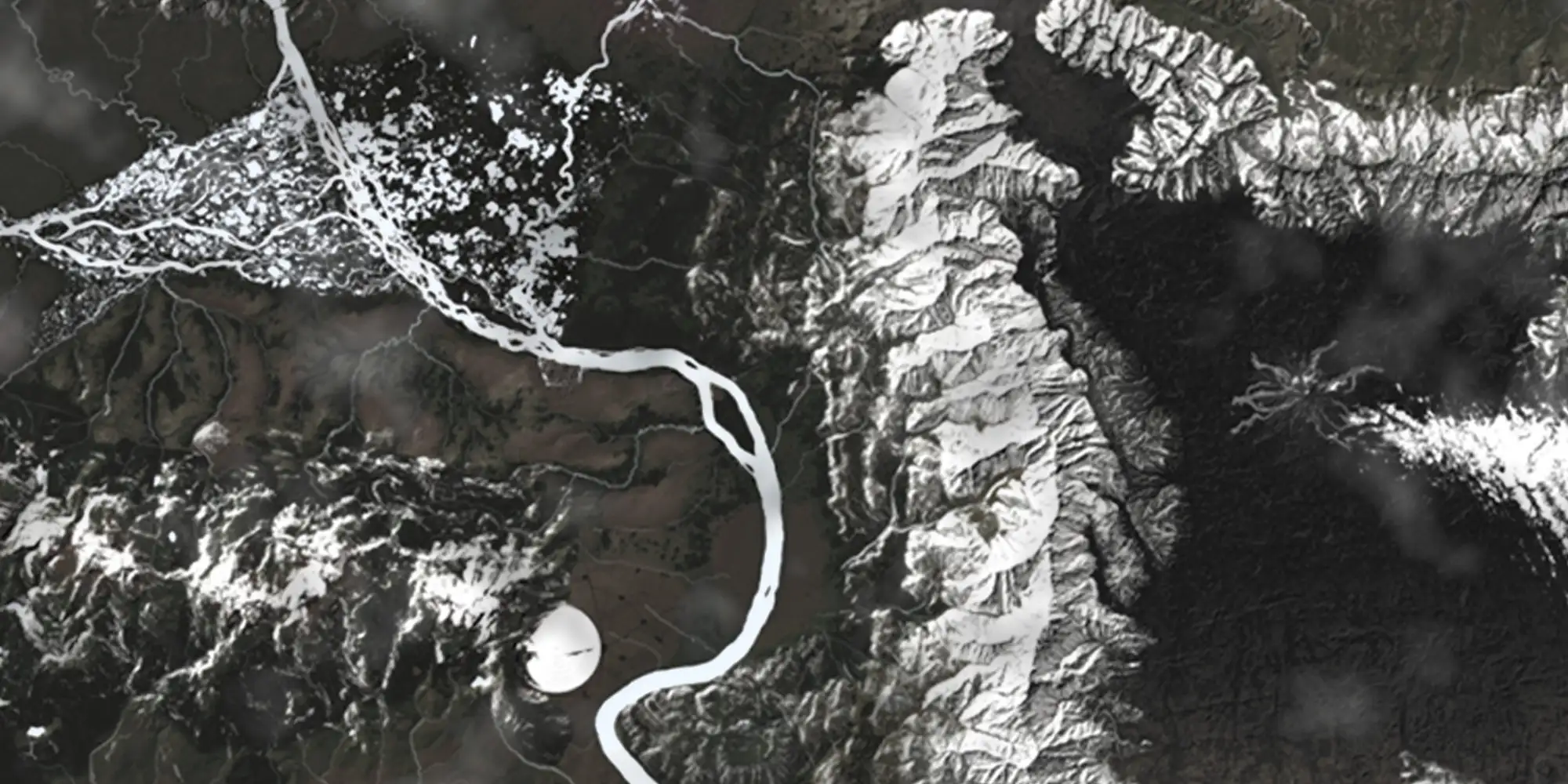
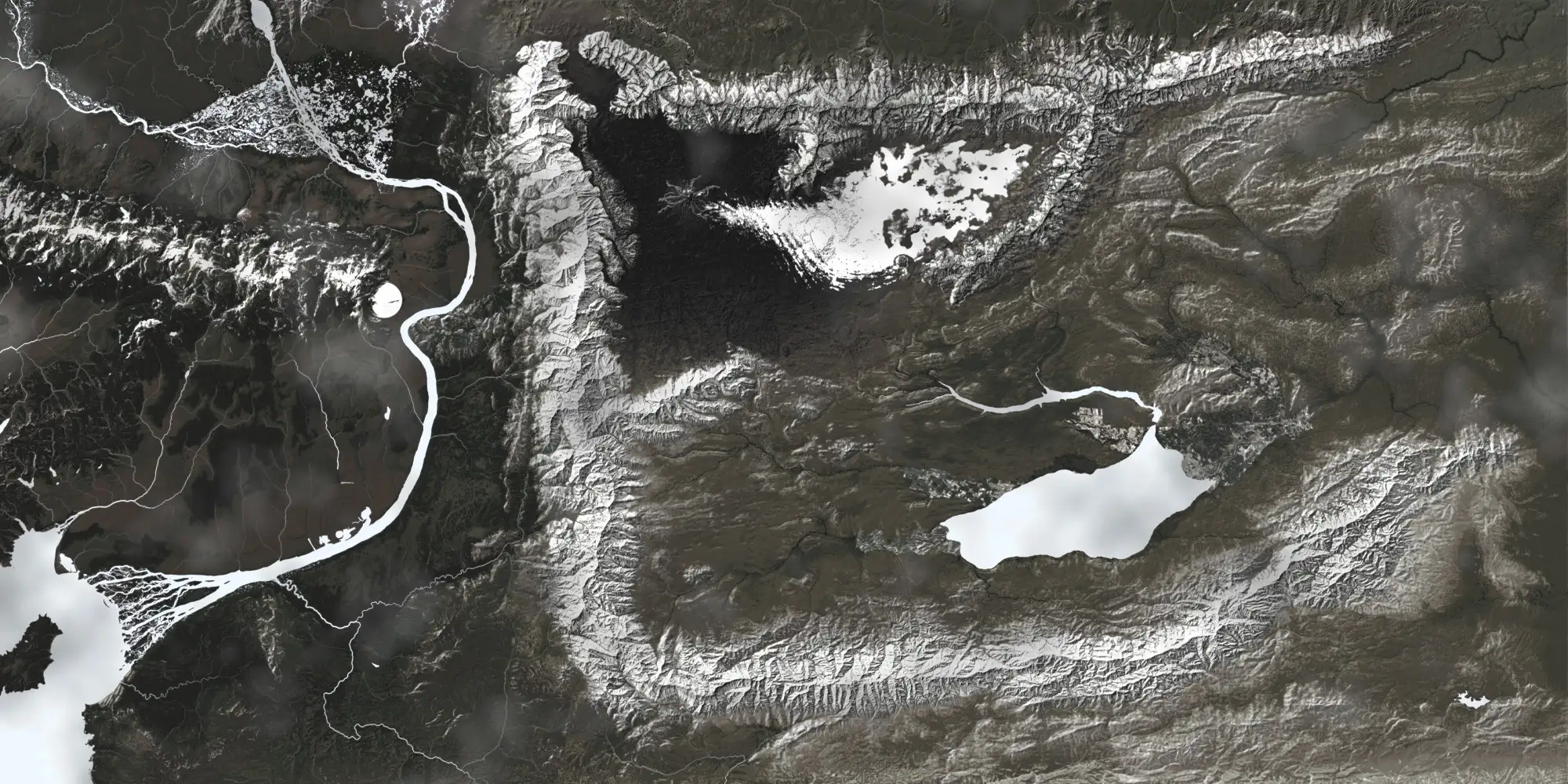
Mordor is an evil land ruled over by the Dark Lord Sauron, protected on three sides by mountains. From here, he breeds his armies, masses his forces and launches his attempts to subjugate the Free Peoples of Middle-earth. Whilst the north-west of Mordor is a volcanic plateau swarming with Orcs, much of the east is less hostile and inhabited by men, though most are enslaved. The most well-known landmarks of Mordor are Orodruin (Mount Doom), the fiery volcano where the One Ring was forged, and Barad-dûr, Sauron’s chief fortress.
One Ring to rule them all, One Ring to find them,
One Ring to bring them all and in the darkness bind them
In the Land of Mordor where the Shadows lie.
– Ring Verse
Mordor is an evil land ruled over by the Dark Lord Sauron, protected on three sides by mountains. From here, he breeds his armies, masses his forces and launches his attempts to subjugate the Free Peoples of Middle-earth. Whilst the north-west of Mordor is a volcanic plateau swarming with Orcs, much of the east is less hostile and inhabited by men, though most are enslaved. The most well-known landmarks of Mordor are Orodruin (Mount Doom), the fiery volcano where the One Ring was forged, and Barad-dûr, Sauron’s chief fortress.
Mount Doom was created by Morgoth during the First Age, the volcanic eruptions of this giving rise to the name ‘Mordor’. Around this time the Shelob, daughter of the great spider Ungoliant, came to live in the mountains surrounding Mordor, having fled the events in Beleriand towards the end of that Age. In S.A. 1000, Sauron, chief lieutenant of Morgoth, made his home in Mordor and began to build Barad-dûr near Mount Doom, though at that time he disguised himself as Annatar, and feigned friendliness towards the elves. Beginning with the War of the Elves and Sauron, Mordor was used as a base from which to attack the peoples of Middle-earth, during which he dominated lands from Harad to Eriador in a time known as the Dark Years. However, his activities caught the attention of the Númenóreans, who gradually pushed him back towards Mordor, from which he was eventually captured and taken to Númenor. After engineering the Downfall of Númenor, Sauron returned to rule in Mordor. Following Sauron’s pre-emptive attack on the newly founded Kingdom of Gondor, where the city of Minas Ithil was briefly captured, the Last Alliance of Elves and Men was formed. In S.A. 3434, they marched on Mordor, and took part in the months-long Battle of Dagorlad. When the Last Alliance finally breached the Morannon, they laid siege to Barad-dûr, which lasted for seven years, until Sauron’s defeat in battle at the hands of Isildur. Though his forces crumbled and the Dark Tower was destroyed, Sauron was not completely destroyed.
In the Third Age, Mordor was not settled due to the dark memory lingering in that land. However, several fortresses and watchtowers were erected by the Gondorians, in order to prevent the servants of Sauron from returning, such as the Tower of Cirith Ungol and Durthang. In the long years of Gondorian decline, however, these fortresses were diminished and abandoned, as Gondor faced more urgent threats to the north and south. The final troops were recalled during the Great Plague of T.A. 1636, after which evil things began to creep back into the land. In T.A. 1980 the Lord of the Nazgûl returned to Mordor, having finally destroyed the Realm of Arnor in the guise of the Witch-king of Angmar. Summoning the other Ringwraiths to him, who had not been seen since the War of the Last Alliance, Minas Ithil was captured by the Nazgûl in T.A. 2002, and renamed to Minas Morgul. After his expulsion by the White Council from Dol Guldur in T.A. 2941, Sauron returned to Mordor, openly declaring himself ten years later. Sauron’s armies were bolstered, and Barad-dûr was rebuilt. In the late Third Age, Mordor is a well defended fortress of the Dark Lord, and an imminent threat to Gondor and the other Free Peoples.
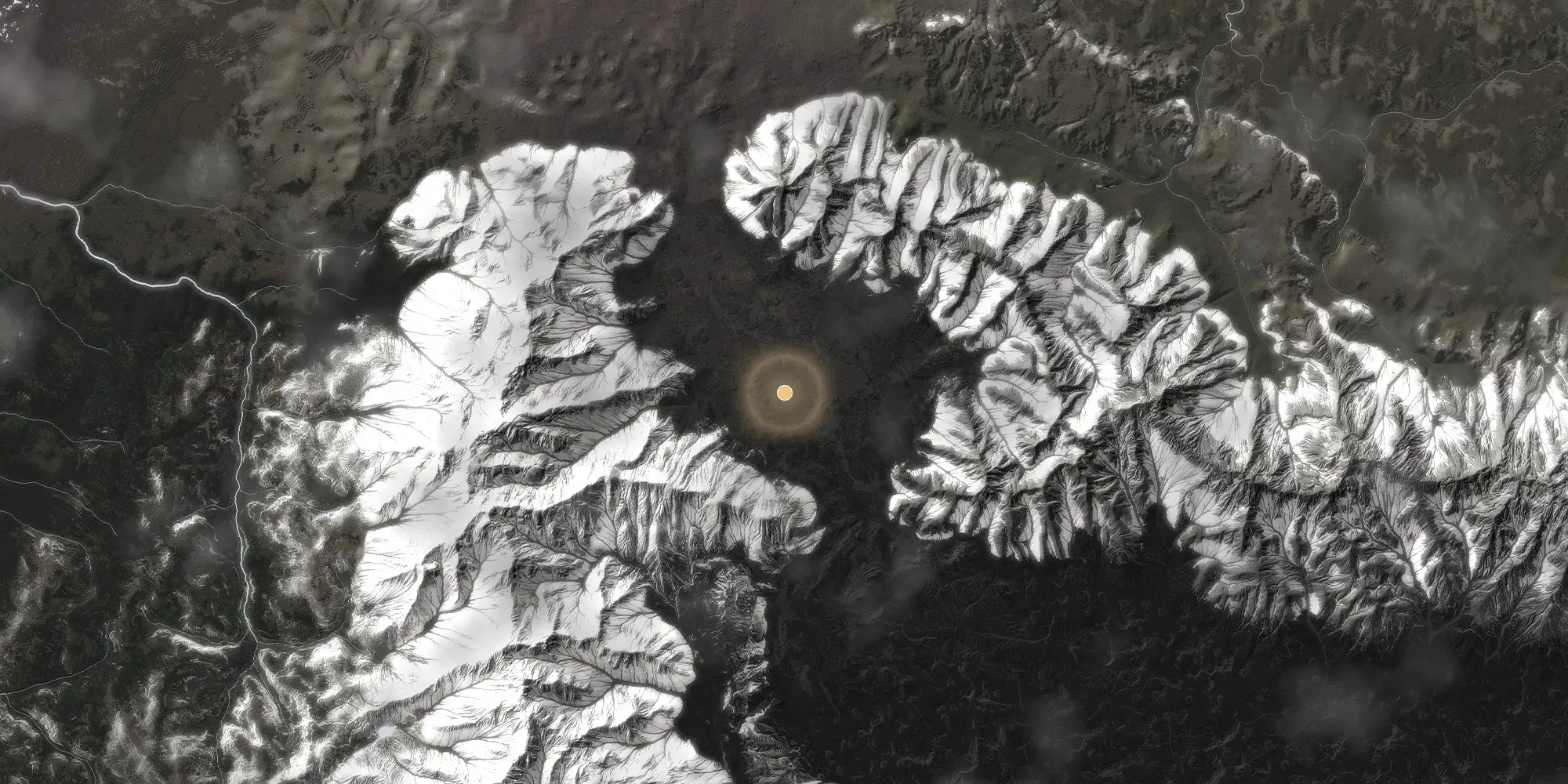
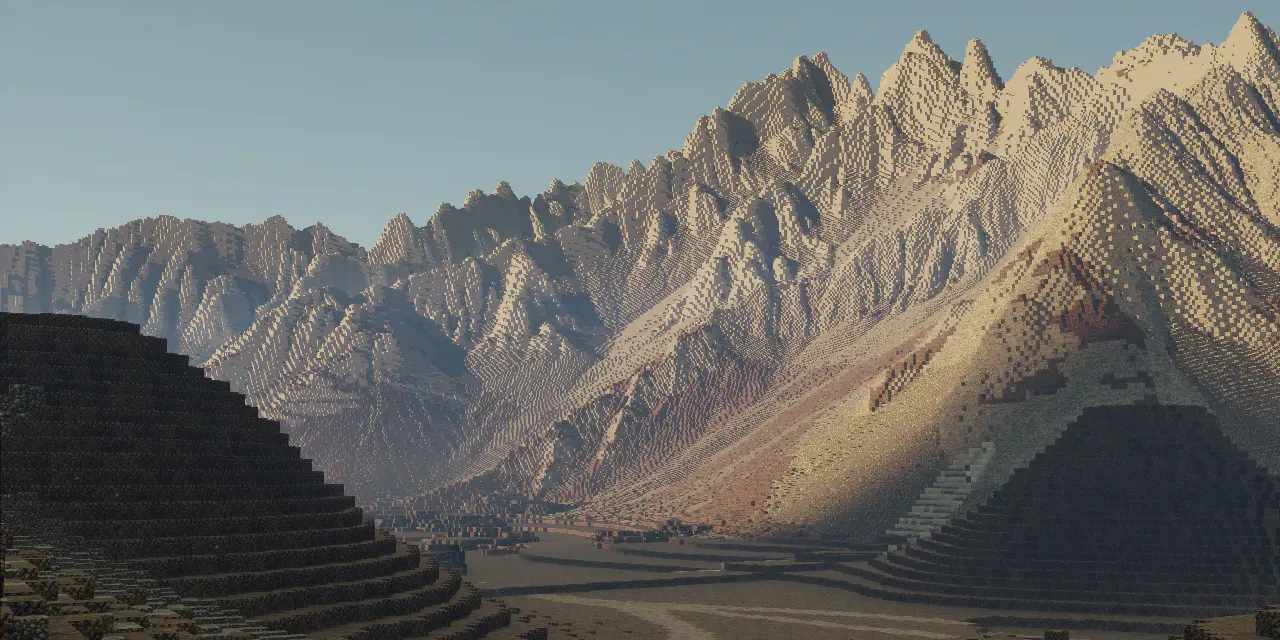
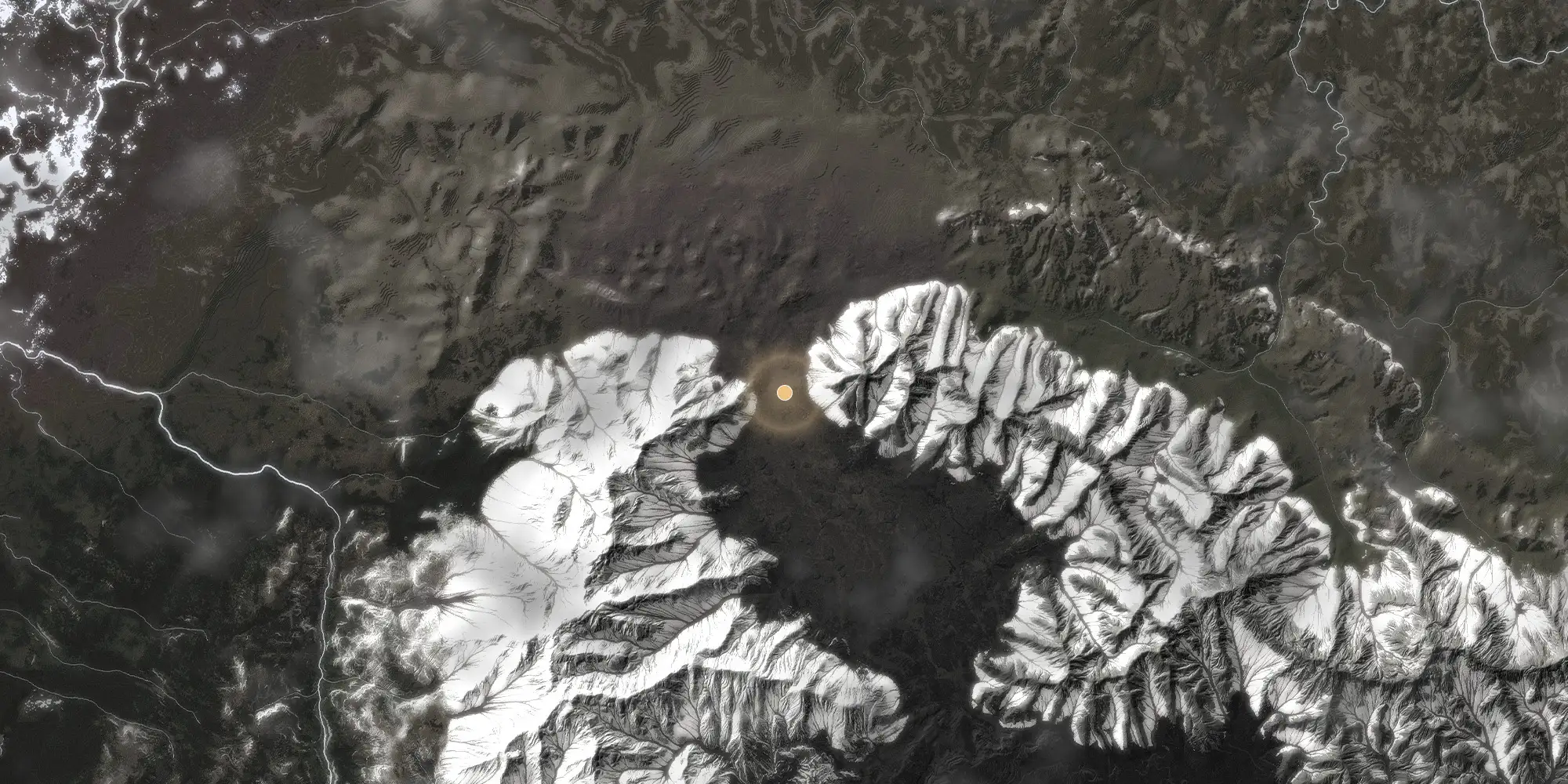
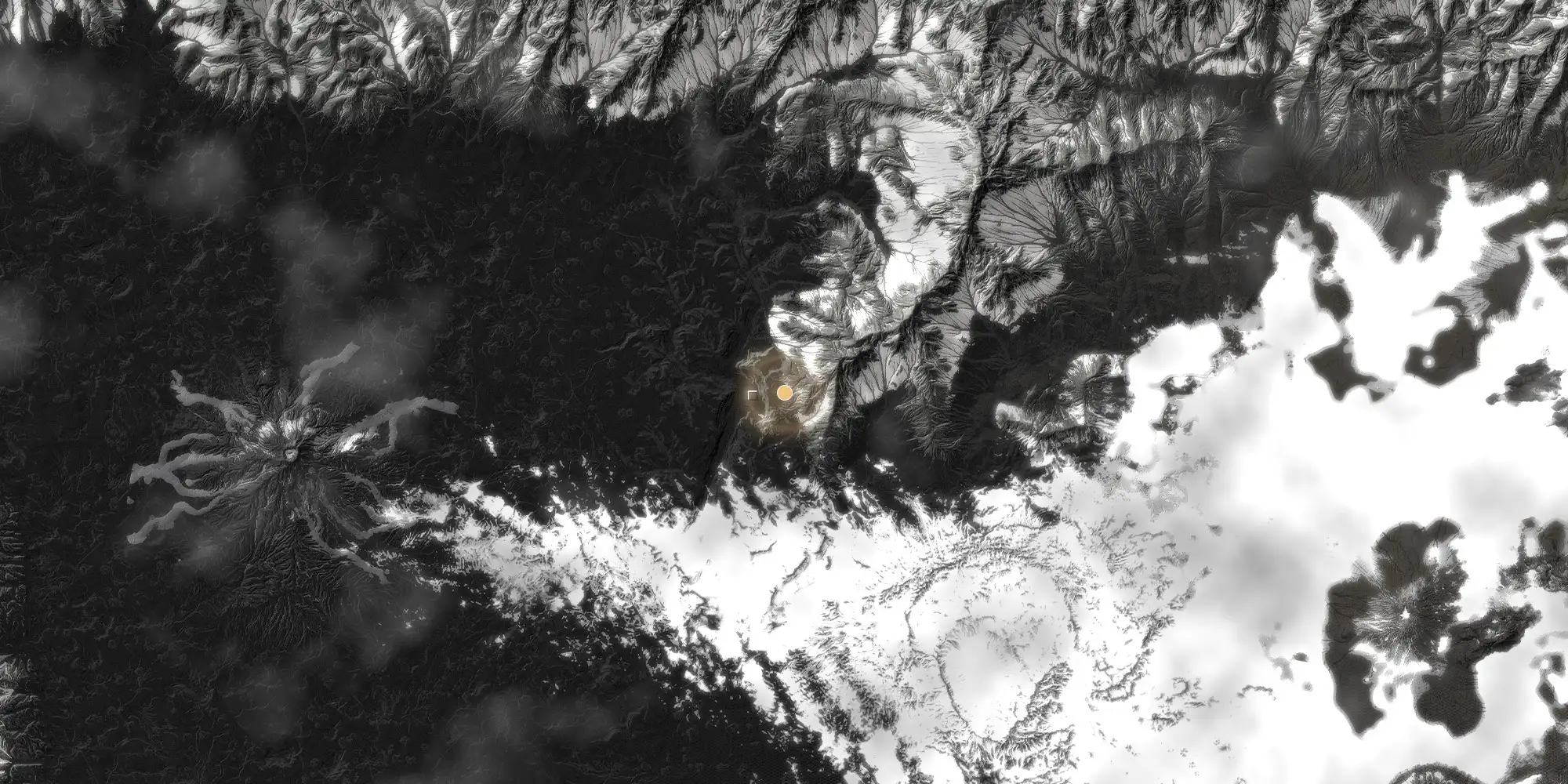
Mordor is protected on three sides by mountains; the Ered Lithui (Ash Mountains) in the north and the Ephel Dúath (Mountains of Shadow) to the west and south, providing a solid defence against aggression from these directions. The mountains are known to be breached by passes in a few places; the Morgul Pass, the Pass of Cirith Ungol, the valley of Udûn and the Nargil Pass. Both Mount Doom and Barad-dûr occupy a region known as Gorgoroth, a volcanic plateau devoid of most life, save for sparse thickets of brambles. Gorgoroth is littered with orcish camps of Sauron’s armies. To the east of Mount Doom is Lithlad, a smaller region of ash, similarly lifeless. Most of Mordor, however, is not a wasteland. The waters of Lake Núrnen are salty, but the ash from Orodruin feeds the farmlands of the vast region of Nurn, the breadbasket of Mordor, in the south-east of the realm. Most inhabitants are enslaved to produce food to feed the armies of Sauron. Most of the conflict Mordor has historically faced has been along its western border with Gondor. Former Gondorian watchtowers along the Ephel Dúath have been converted into orcish strongholds, and the Witch-king is based out of Minas Morgul, from which the land of Ithilien, between the Ephel Dúath and the Anduin, was terrorised until its eventual abandonment. The valley of Udûn in the north is the sole entrance through which large armies can access Mordor, and is protected by the Black Gate and the Morannon to the north, and the Isenmouthe to the south. To the east of Mordor are the lands of Rhûn and Khand, both allies of Mordor who send tribute to Sauron.
The climate of Mordor is influenced a great deal by Sauron, and the eruptions of Mount Doom. The region is generally arid and volcanic, though it is assumed there is a more hospitable climate around Nurn. Storms frequent the Mountains of Mordor.
Though the enslaved peoples of Nurn have their own culture, they are dominated by that of Sauron and the orcs. Whilst Sauron formerly demanded human sacrifice and extreme subordination whilst in Númenor, it is unclear if these practices have continued. Orcish culture, however, is violent and chaotic, with a strong will needed to keep them in line.
Mordor is governed totally by Sauron, and his subordinates, such as the Nazgûl and the Mouth of Sauron. Tribute is paid to Mordor from foreign vassals, and a vast system of slavery is in place in Nurn. Sauron is able to telepathically communicate to some degree with the Nazgûl, and sometimes entrusts them with certain tasks, such as commanding Minas Morgul or Dol Guldur.
The economy of Mordor relies almost entirely on slavery and tribute, with little being produced within Gorgoroth and Lithlad itself.