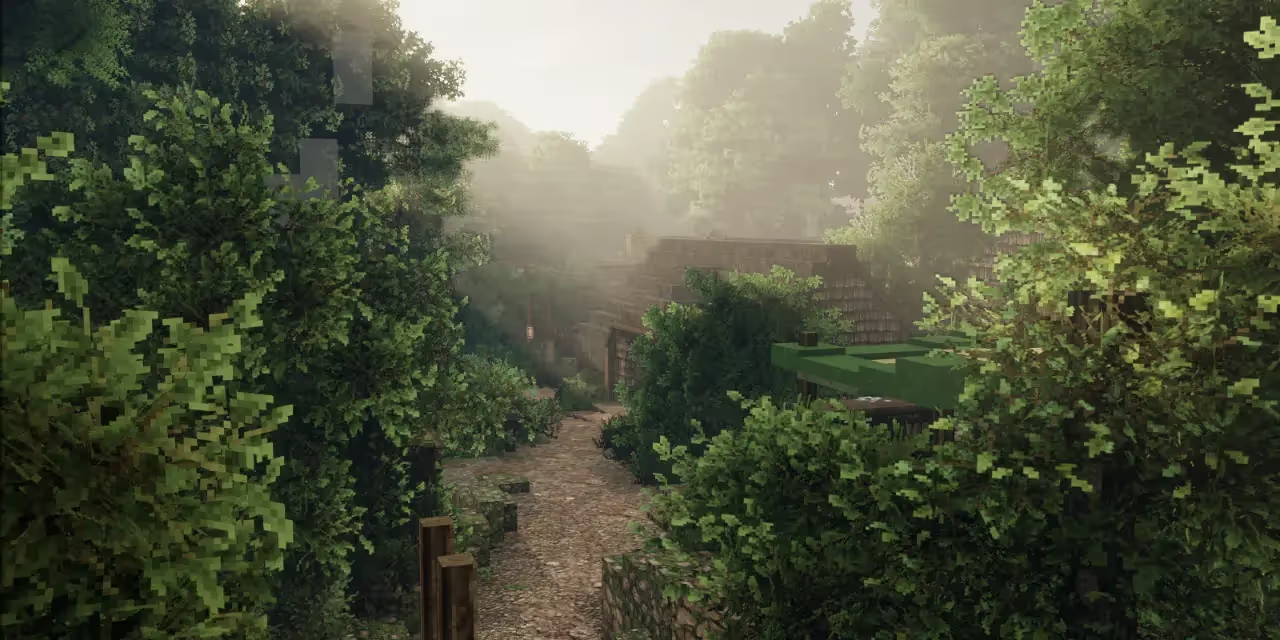
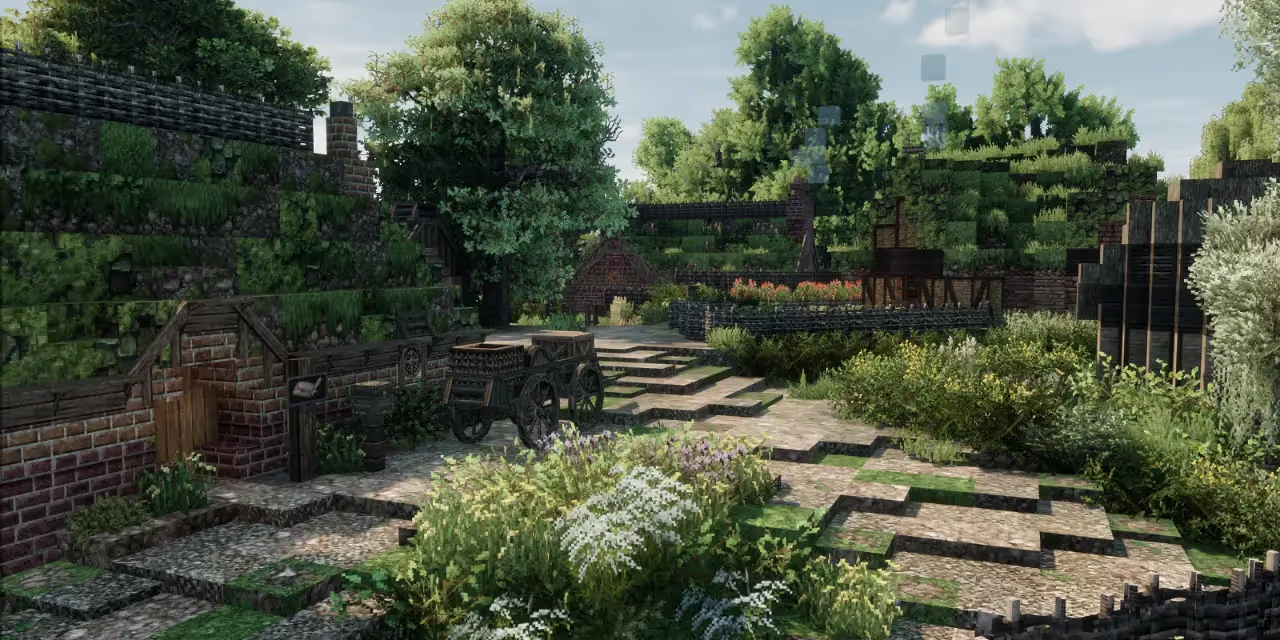
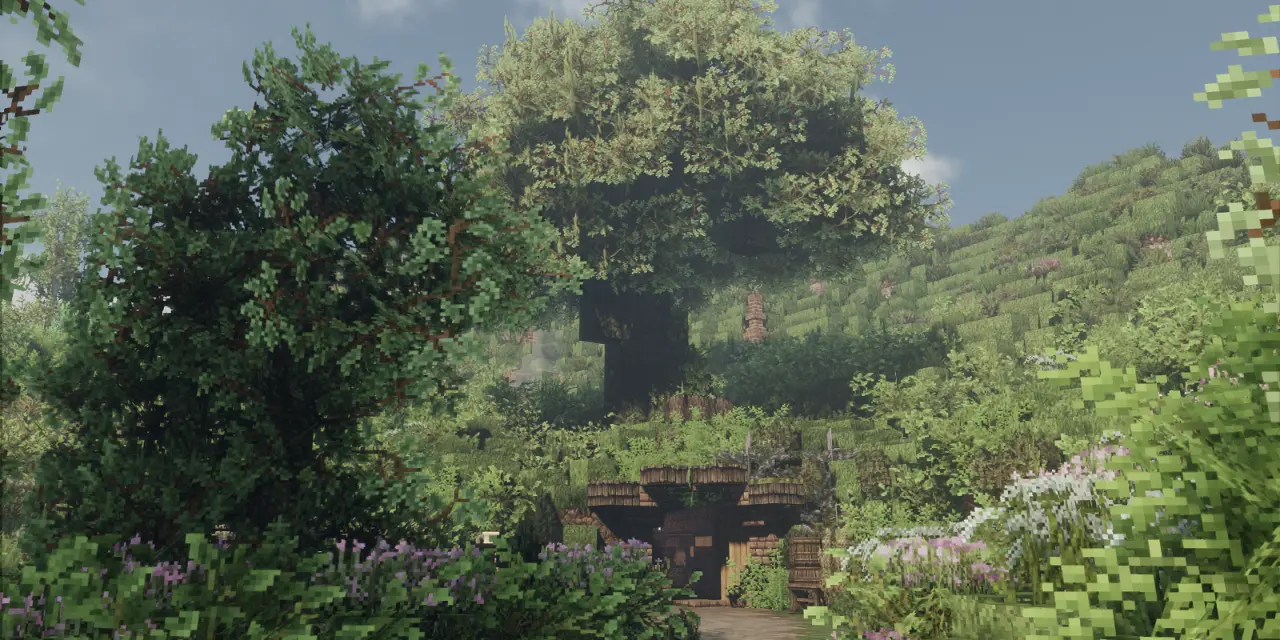
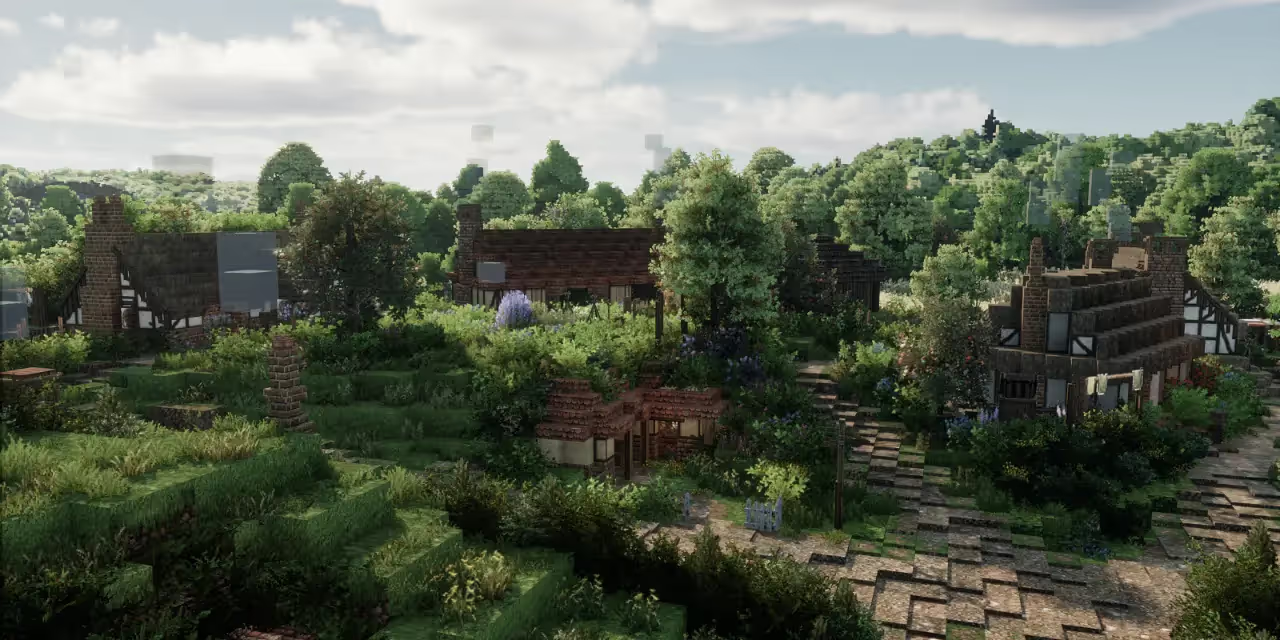
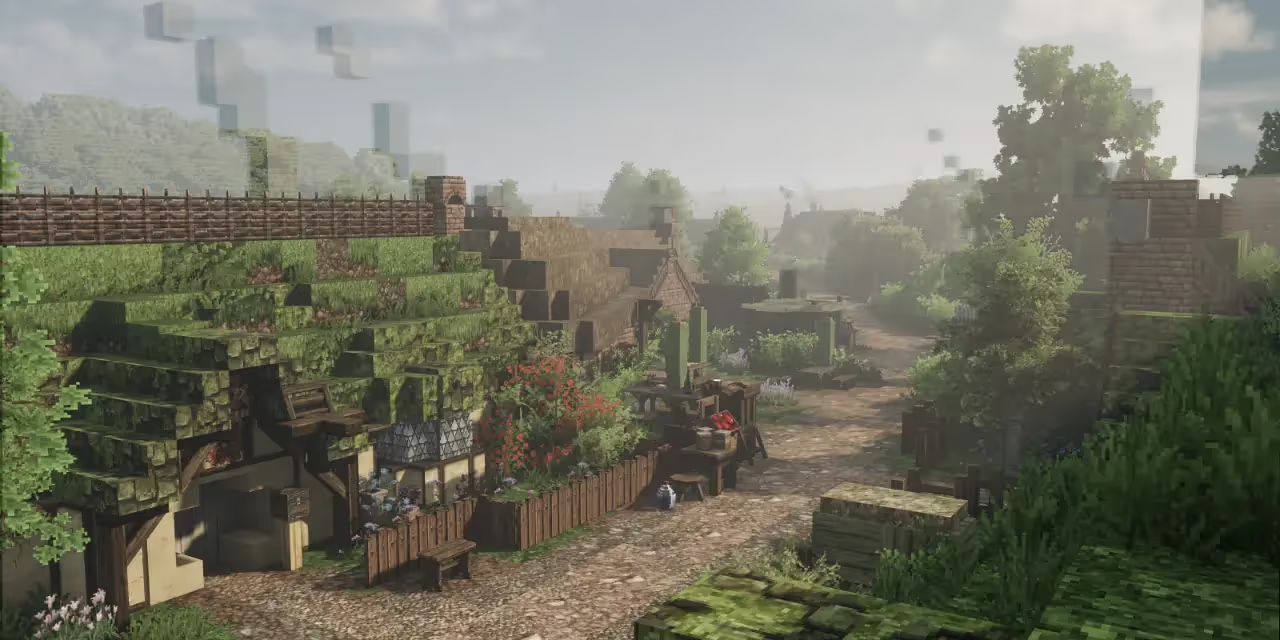
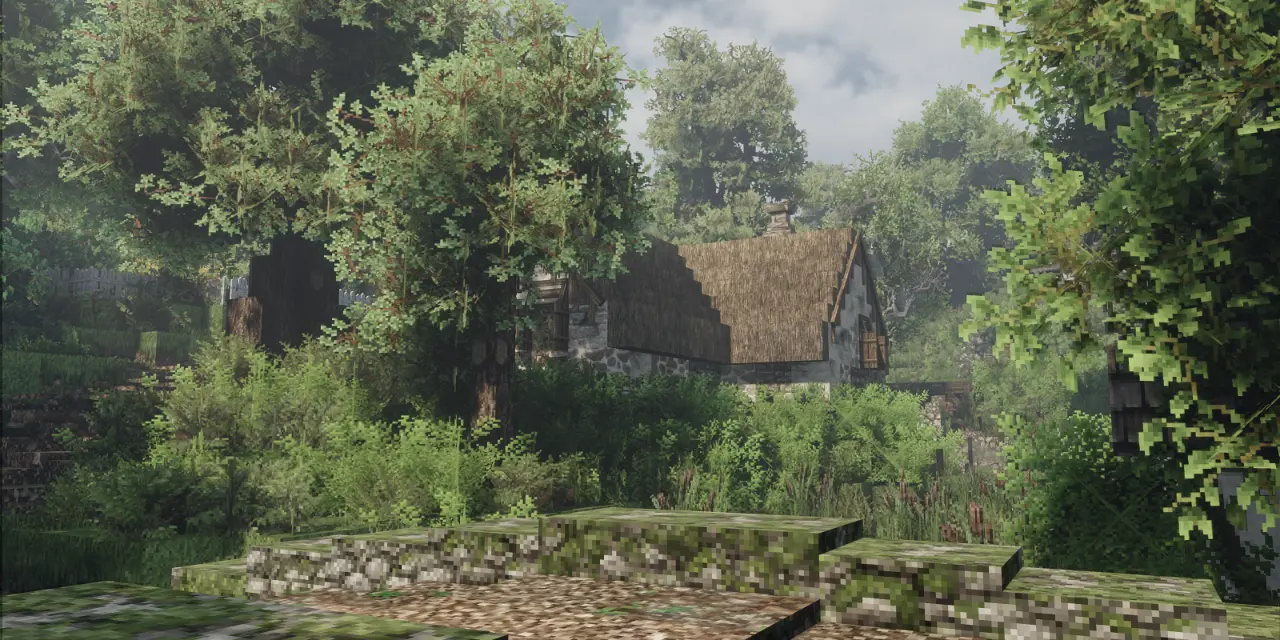
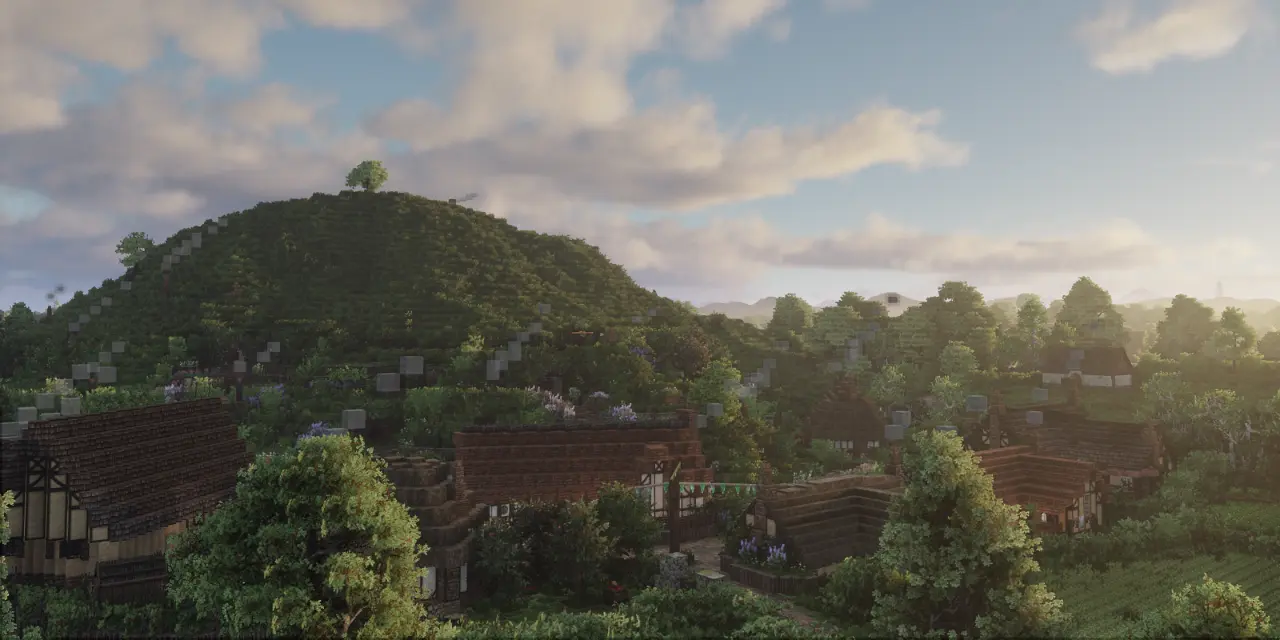
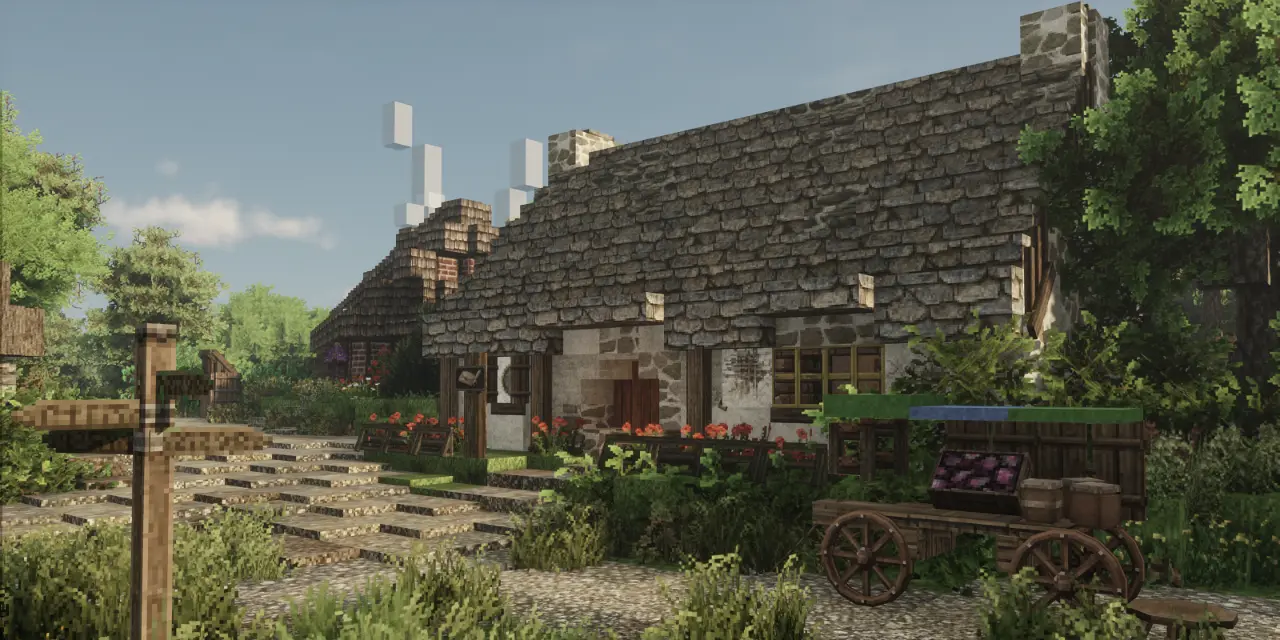
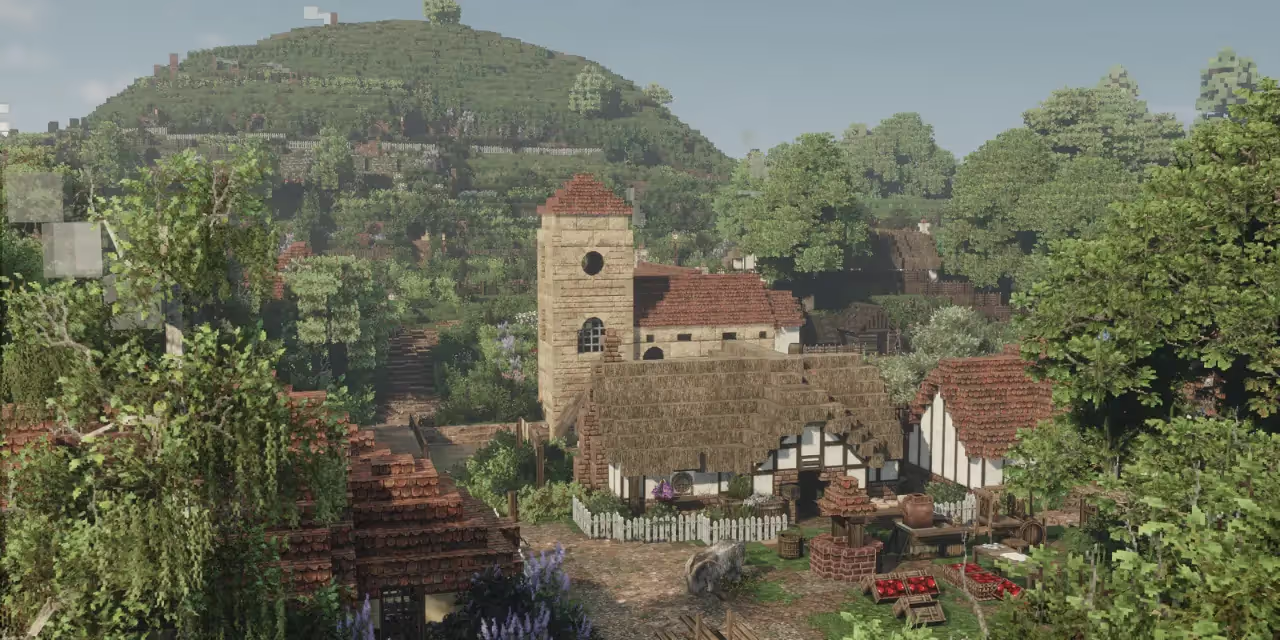
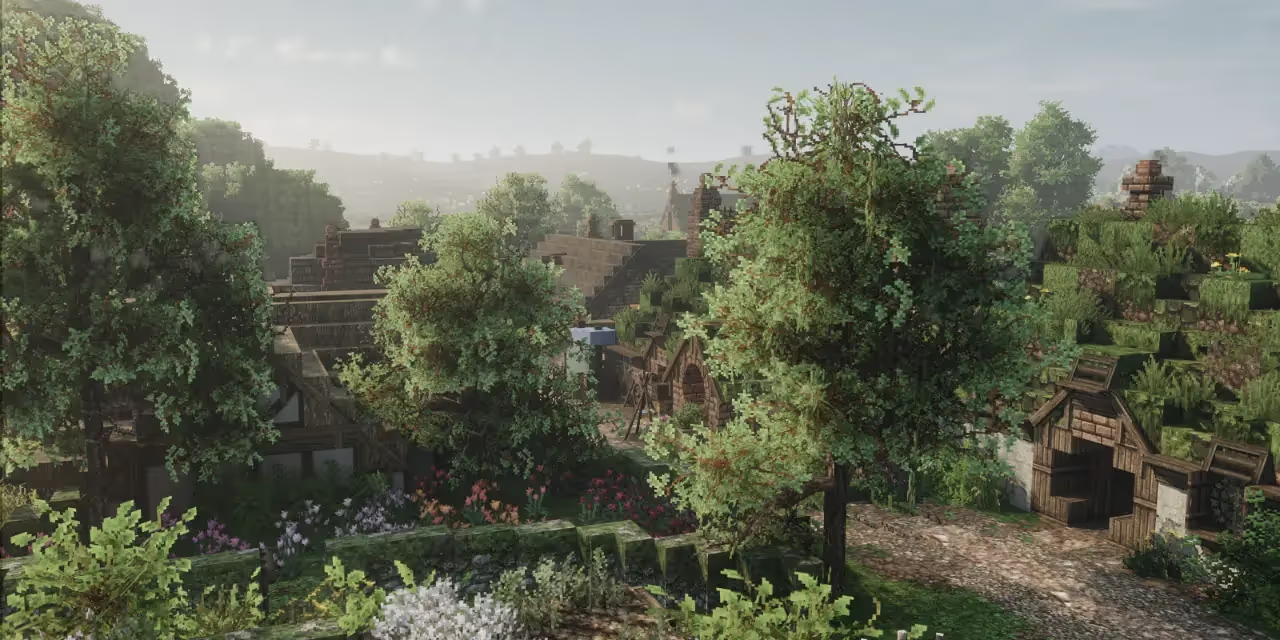
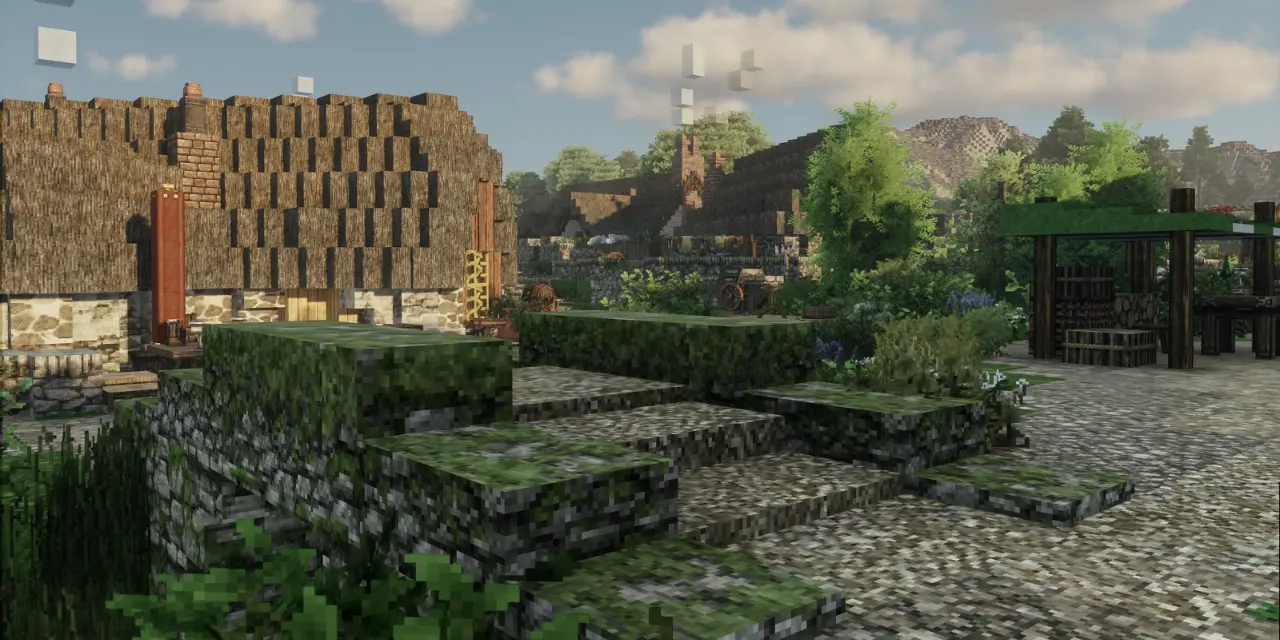
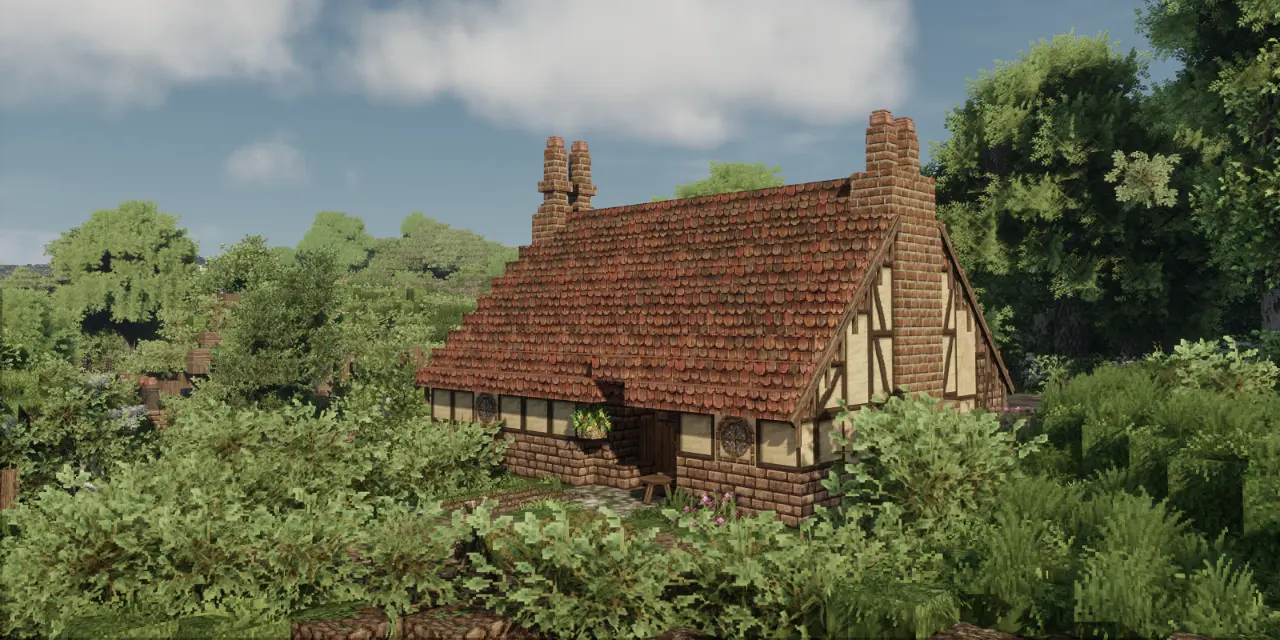
History
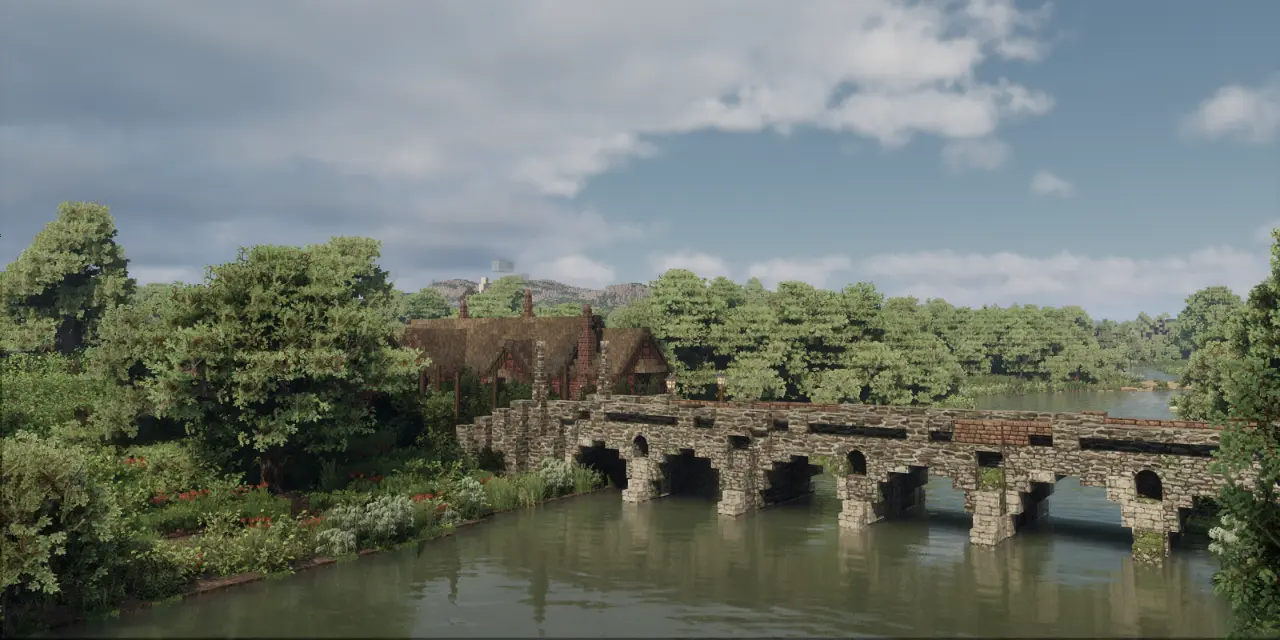
During the existence of Arnor, the Shire was used as a hunting ground by the King, with the area featuring vineyards and vast woodlands of game. However, it was long deserted by the time that Arnor split into three successor states, when it came under the control of Arthedain, the strongest of the three. In T.A. 1601, two Hobbits, Marcho and Blanco, came to Fornost to ask for permission from King Argeleb II to settle in the land; in centuries prior, Hobbits had migrated from the Vales of Anduin to Dunland, Rhudaur, Cardolan and Bree. This permission was granted, and within thirty years, most Hobbits had abandoned their former homes to migrate to the Shire, under the conditions that they maintain the Brandywine Bridge, and other roads, and speed the King’s messengers. In T.A. 1636, the Great Plague travelled up the Greenway and arrived in the Shire, killing many Hobbits. Whilst the Hobbits generally considered themselves as subjects of the King, the goings on of the outside world generally passed them by. However, the Hobbits do claim that they send archers to support Arthedain against Angmar. After the fall of Arthedain in T.A. 1974, the Hobbits elected a Thain to replace the King, and remained independent whilst the rest of Eriador collapsed.
From this point, the Shire was guarded in secret by the Dúnedain Rangers of the North, who watched the borders and the East Road. The Shire was only occasionally visited by outsiders, namely Gandalf, who took an interest in Hobbits, Dwarves on their way to and from the Ered Luin, and Elves travelling between Lindon and Rivendell. In T.A. 2340, a group of Hobbits led by Gorhendad Oldbuck crossed the Brandywine to settle between the east bank and the Old Forest, changing their name to Brandybuck, and built Brandy Hall. Since Buckland is outside the boundaries of the Shire granted to the Hobbits, it is technically an independent country. From this date, the role of Thain remained in the Took family. In the 28th Century, a series of disasters befell the Shire. In T.A. 2747, Goblins from Mount Gram invaded the Shire, but were defeated at the Battle of Greenfields, where Bandobras Took led the Hobbits to victory. A decade later, the Long Winter caused a famine known as the Days of Dearth, the combined hardship of which killed many Hobbits, but the Shire persevered. In T.A. 2911, the Fell Winter saw the Brandywine freeze over, and white wolves invade the Shire. In T.A. 2941, the Company of Thorin Oakenshield left the Shire to reclaim their homeland of Erebor, having recruited Bilbo Baggins of Bag End as a burglar. Successful in this endeavour, Bilbo returns a year later, visited often by Gandalf and some of the Dwarves. Towards the end of the Third Age, Saruman begins to send spies into the Shire, especially the Southfarthing, to find out why Gandalf has such an interest in affairs there.
Geography
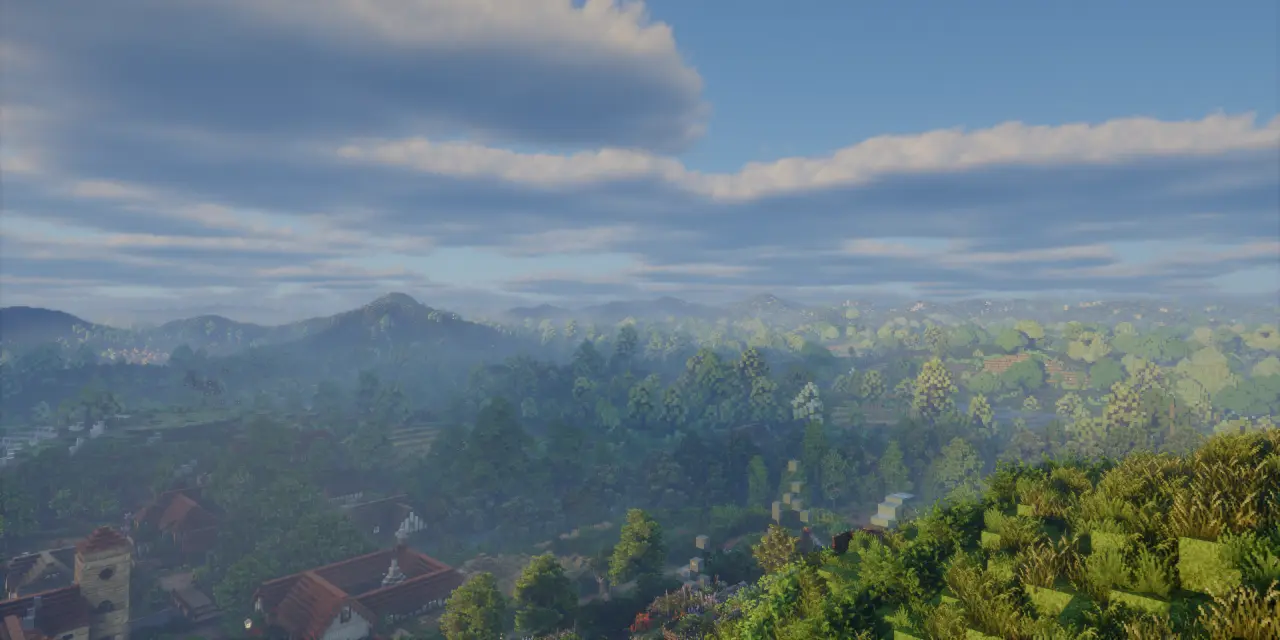
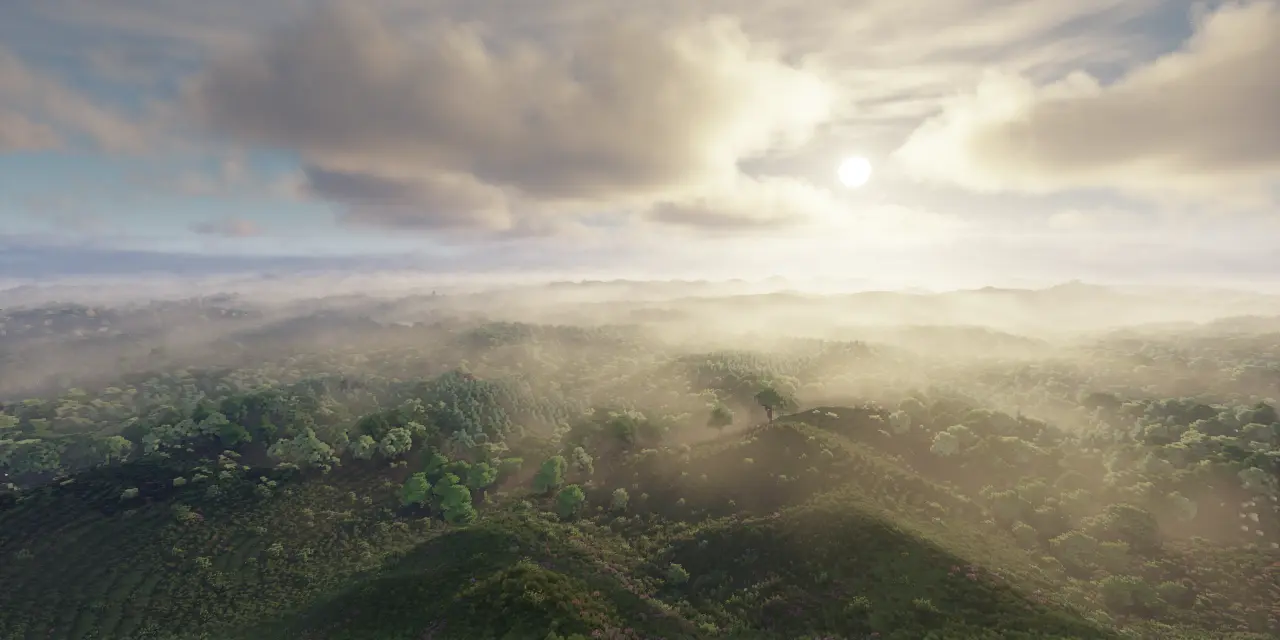
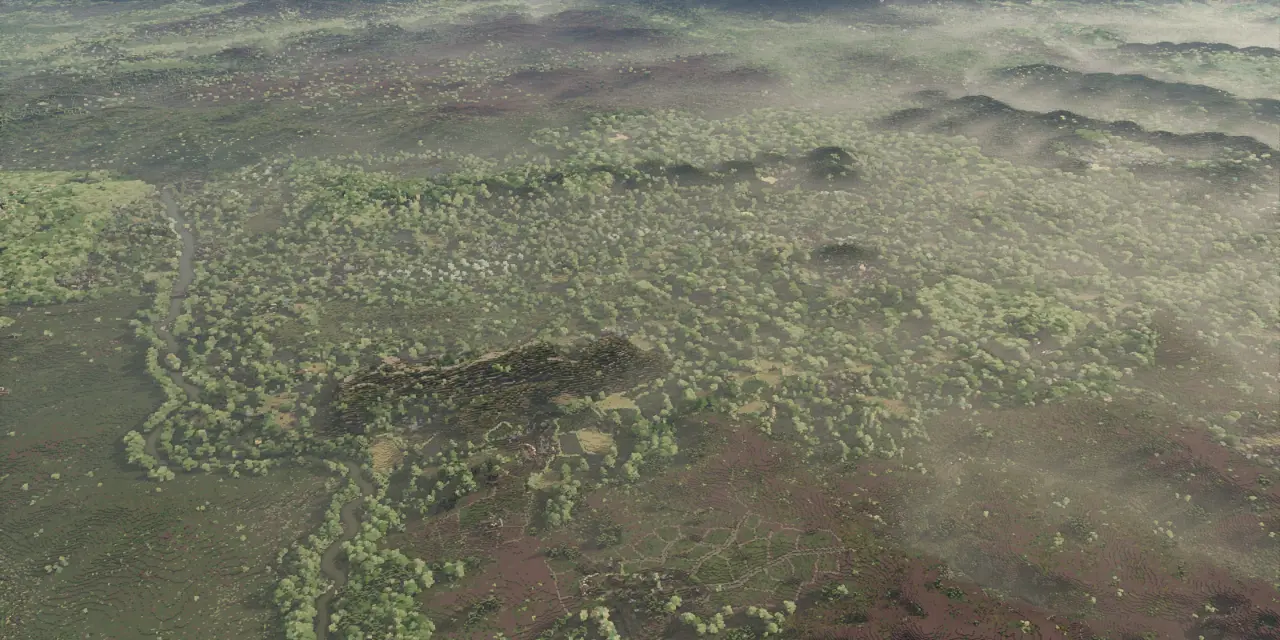
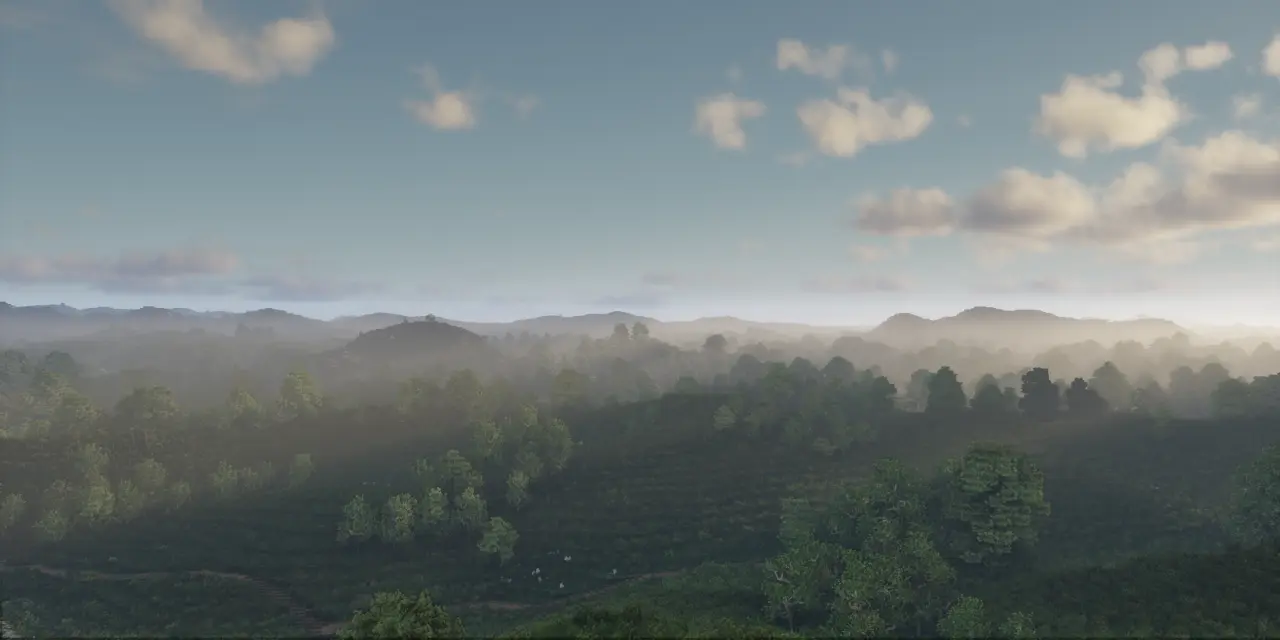
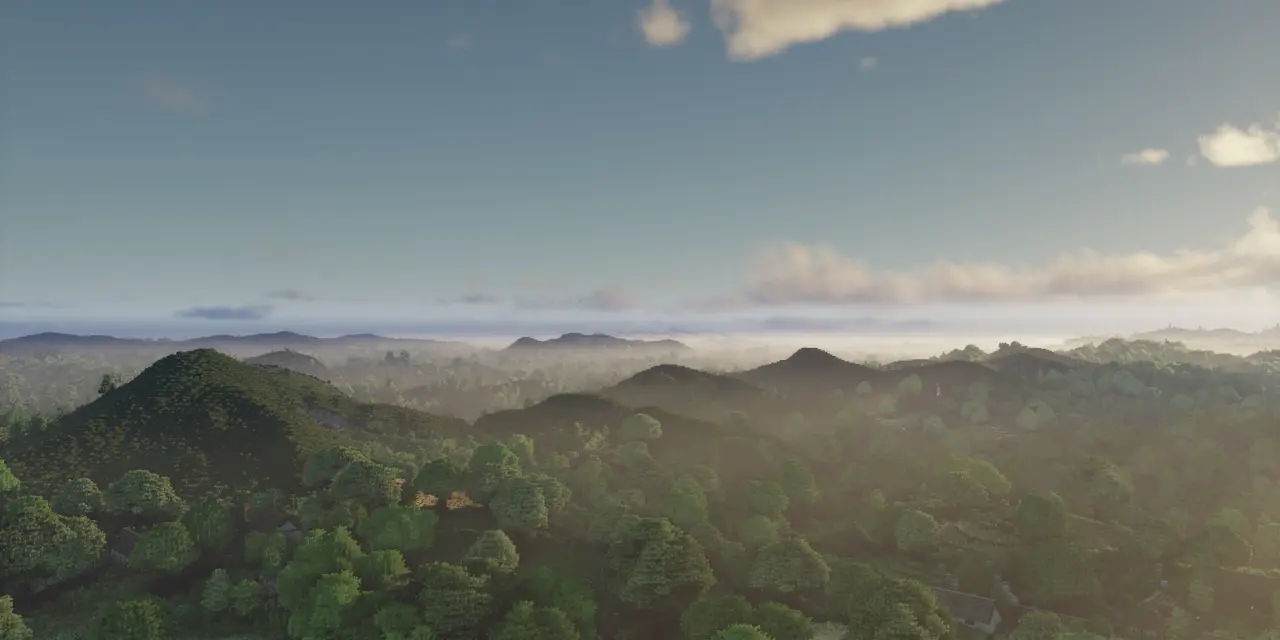
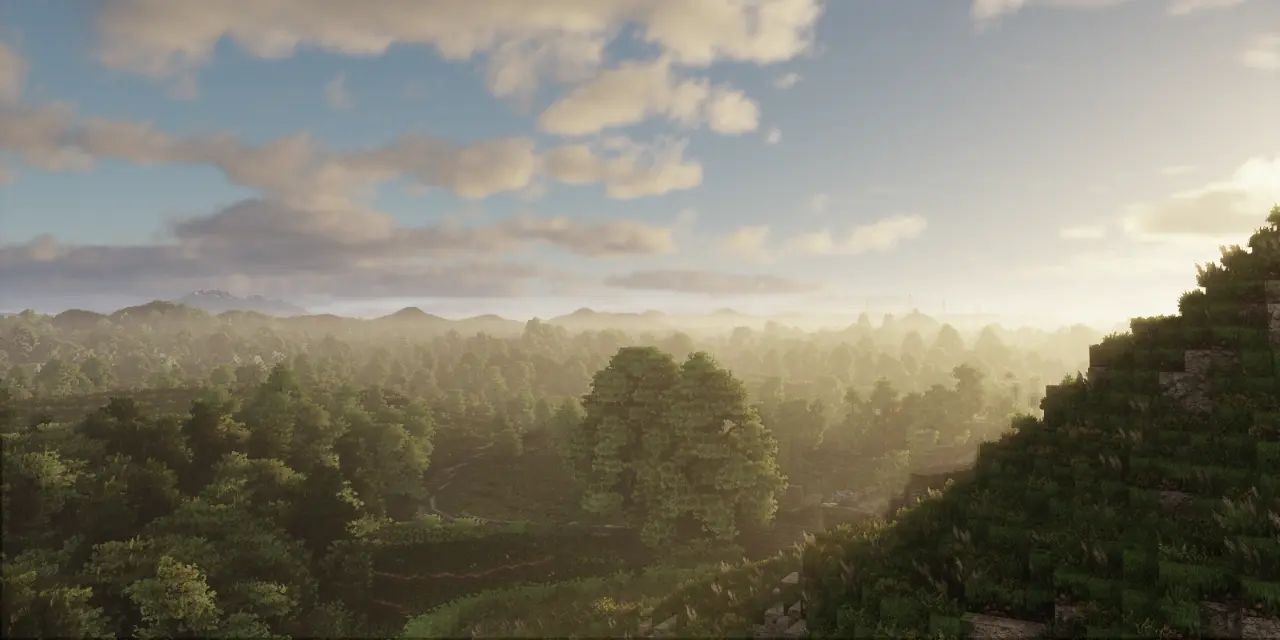
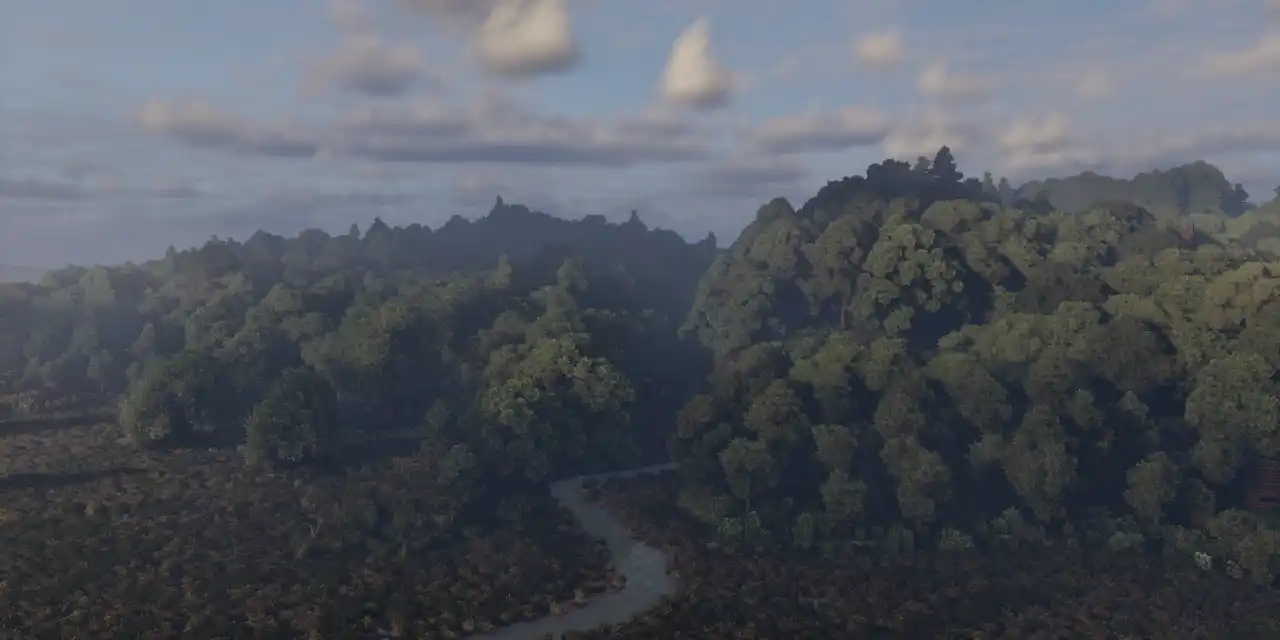
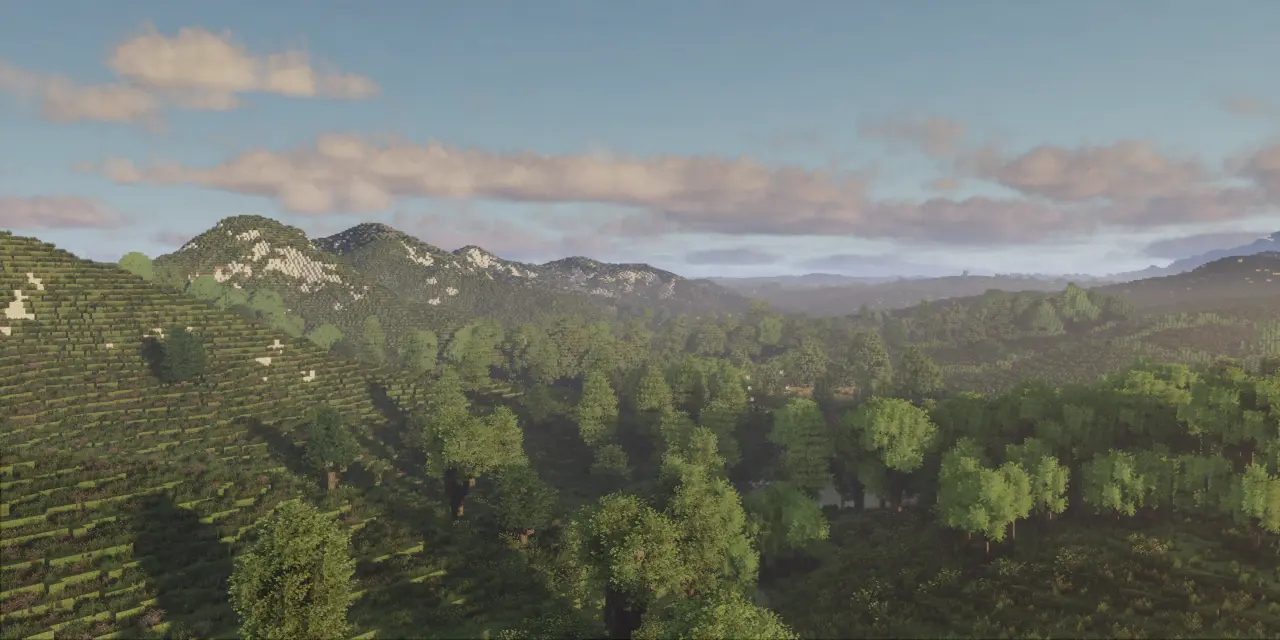
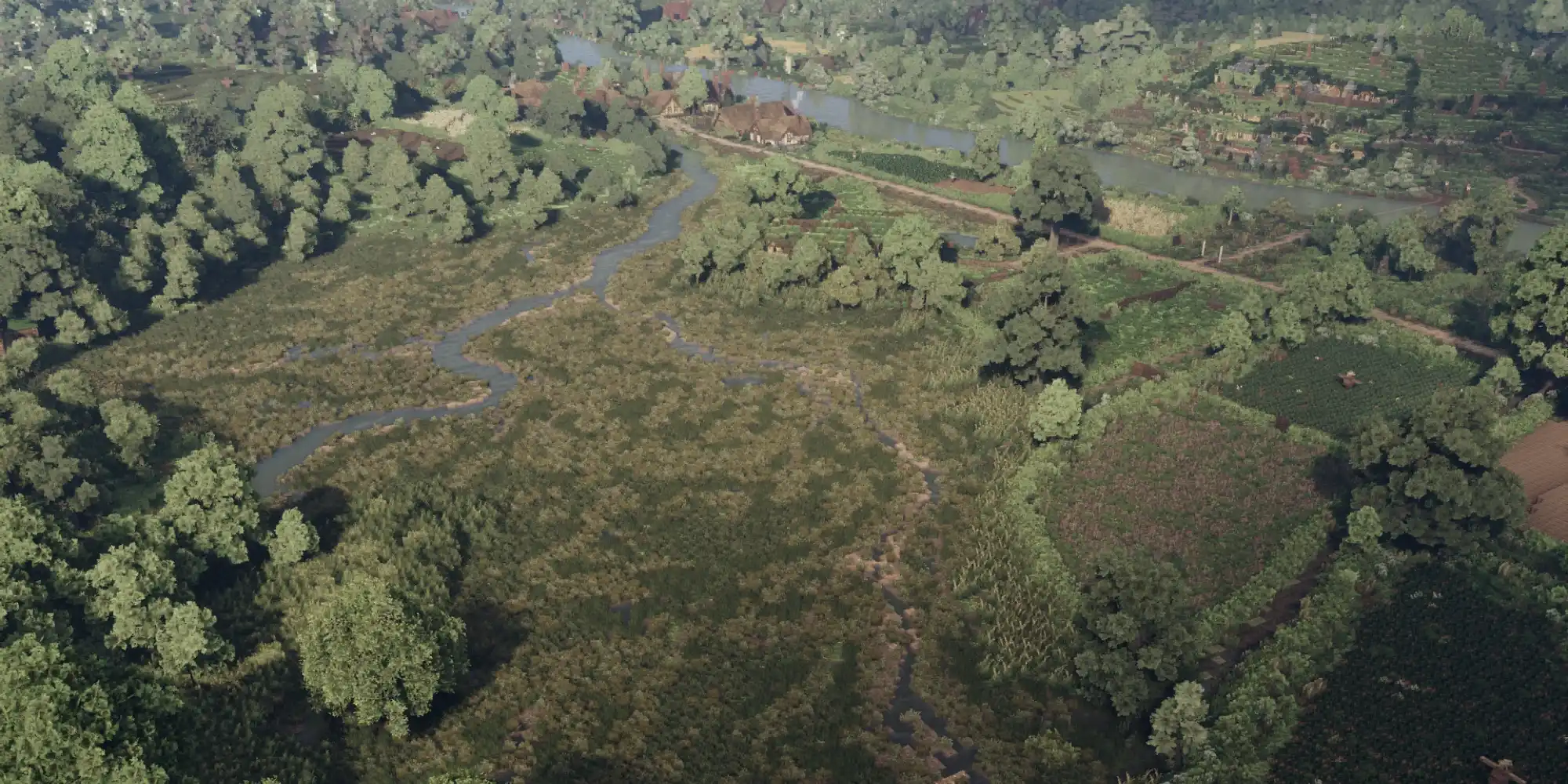
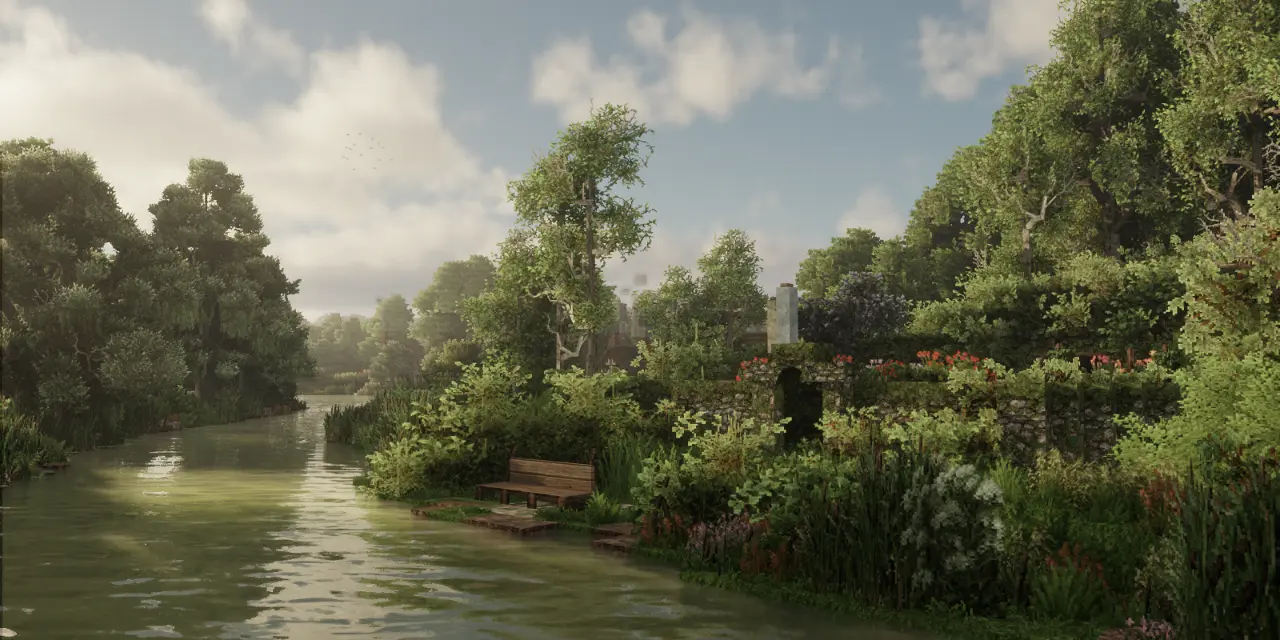
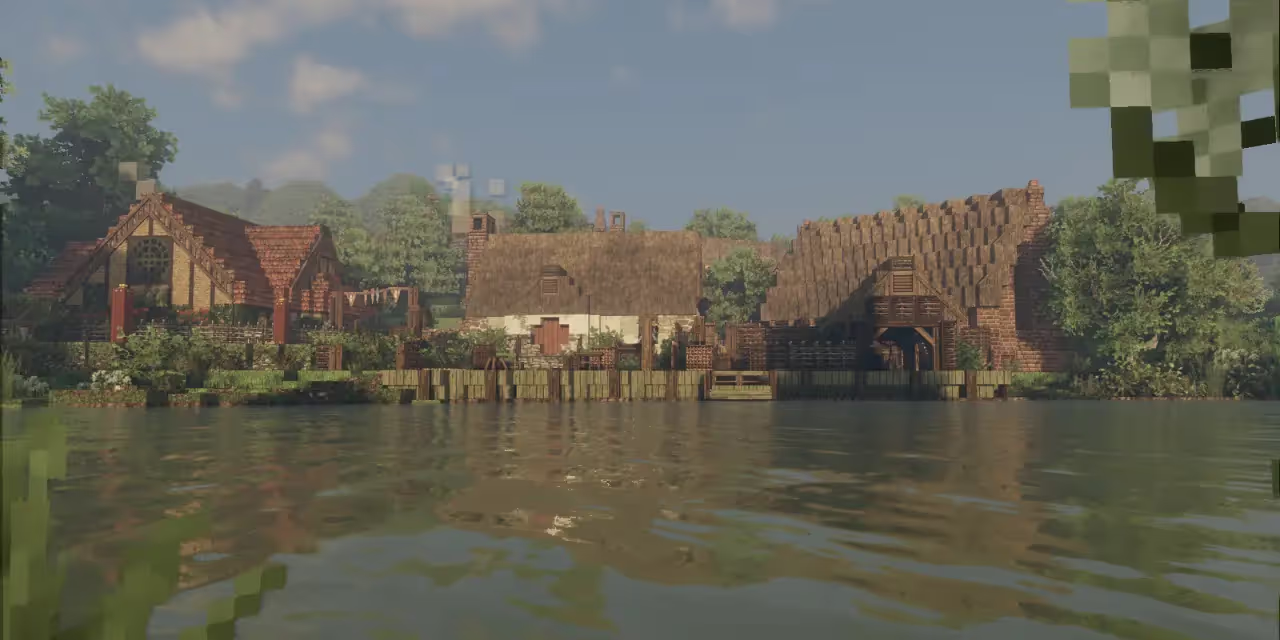
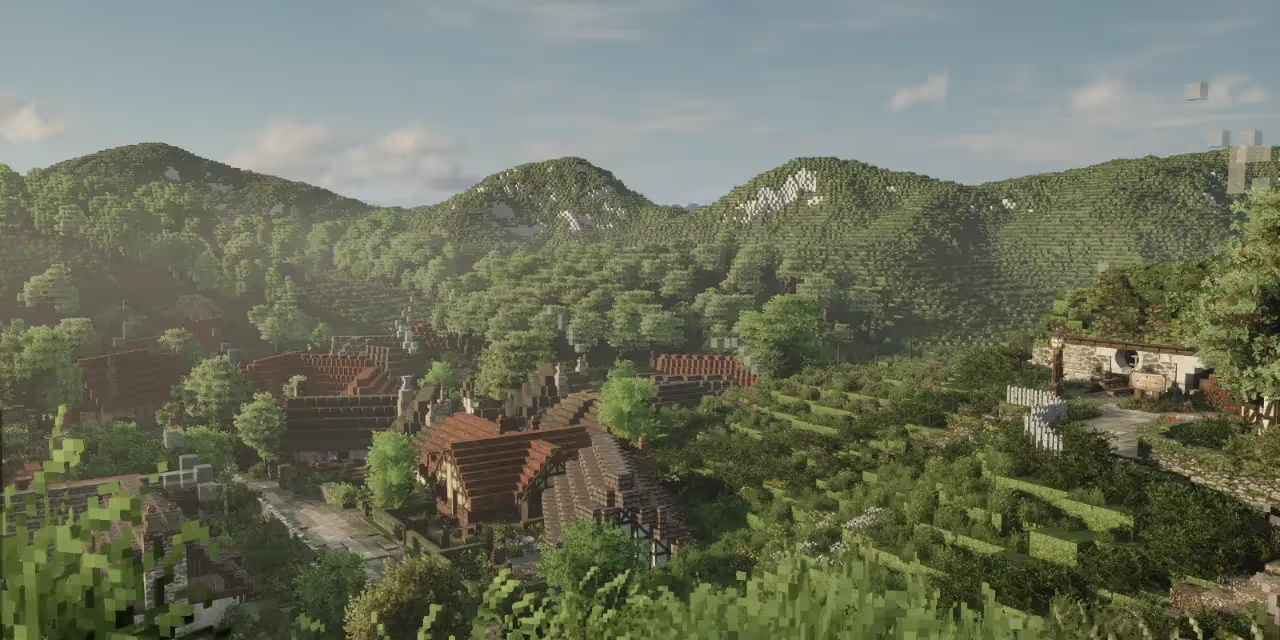
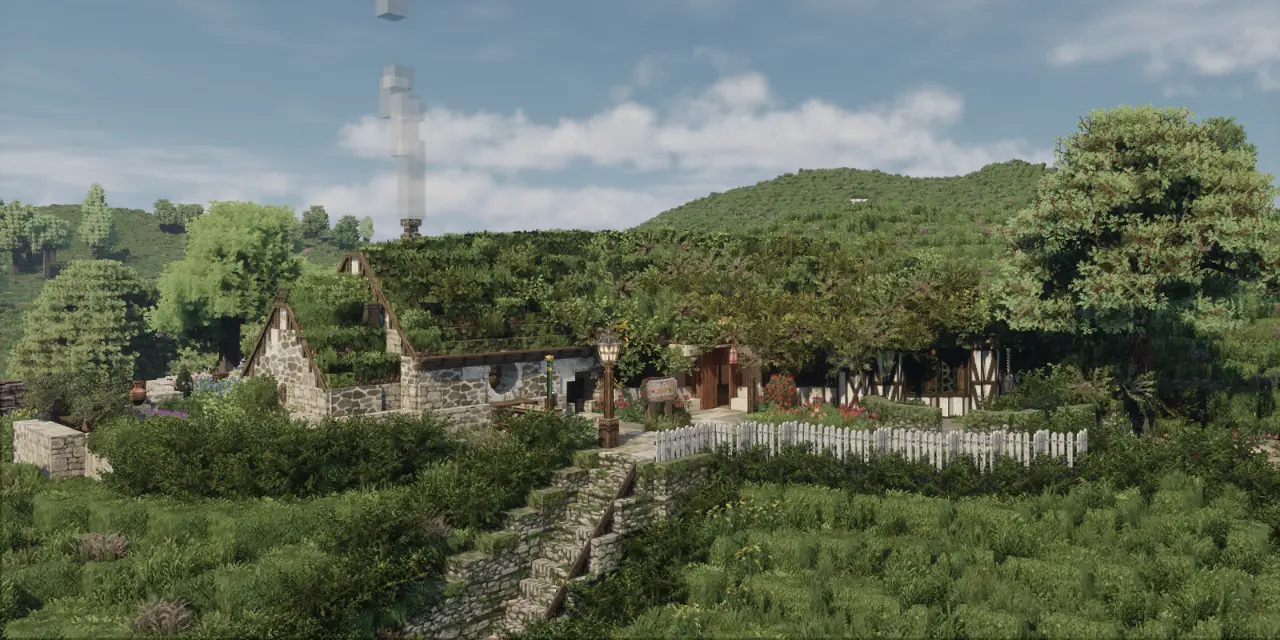
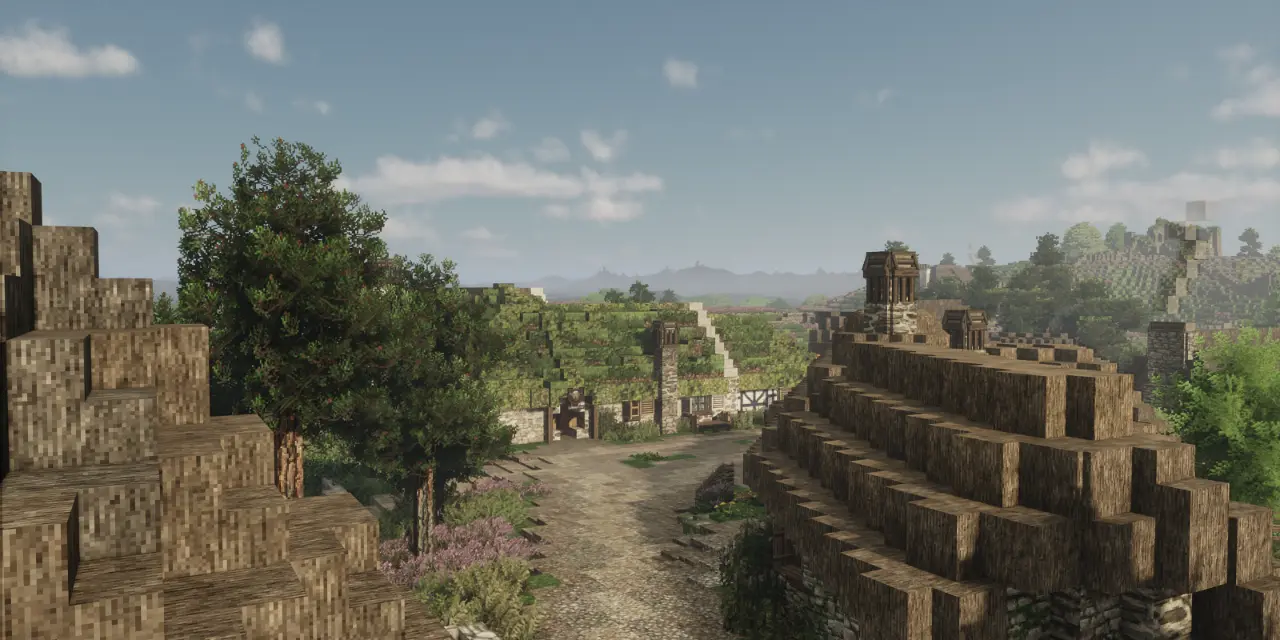
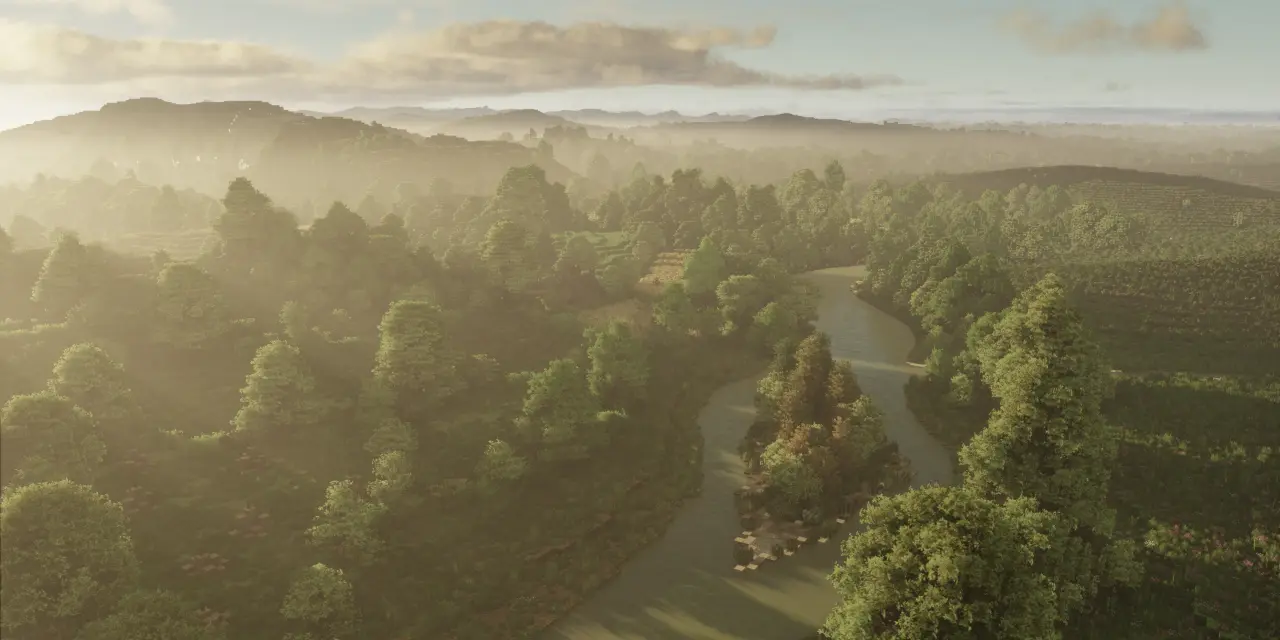
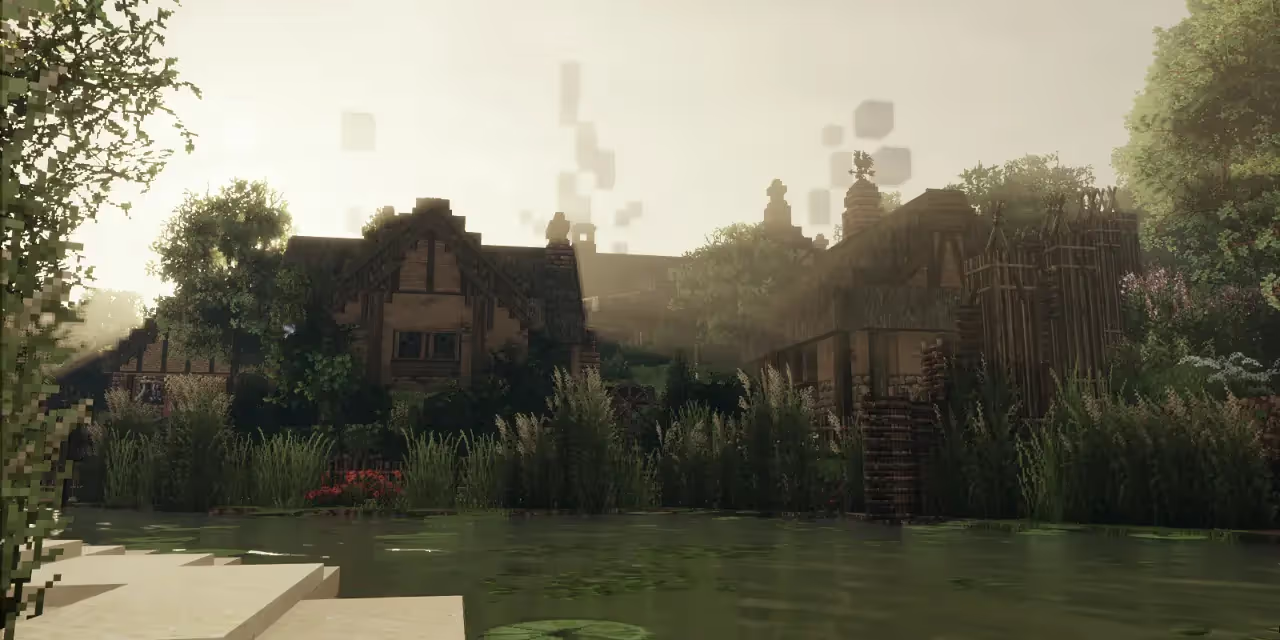
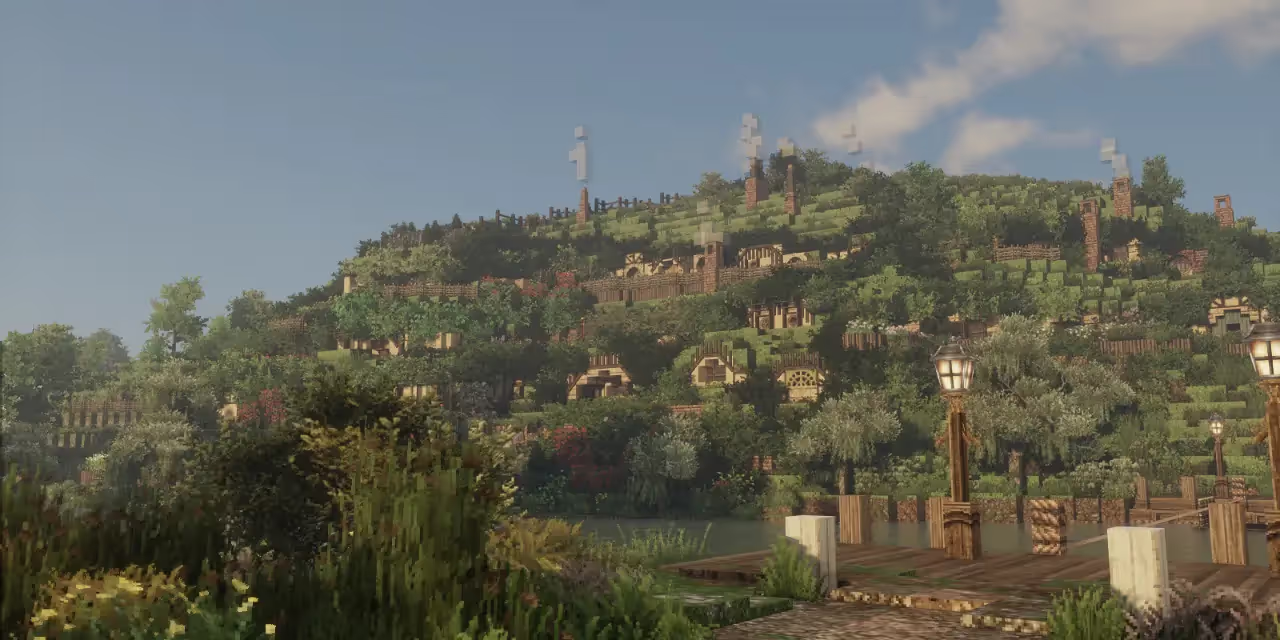
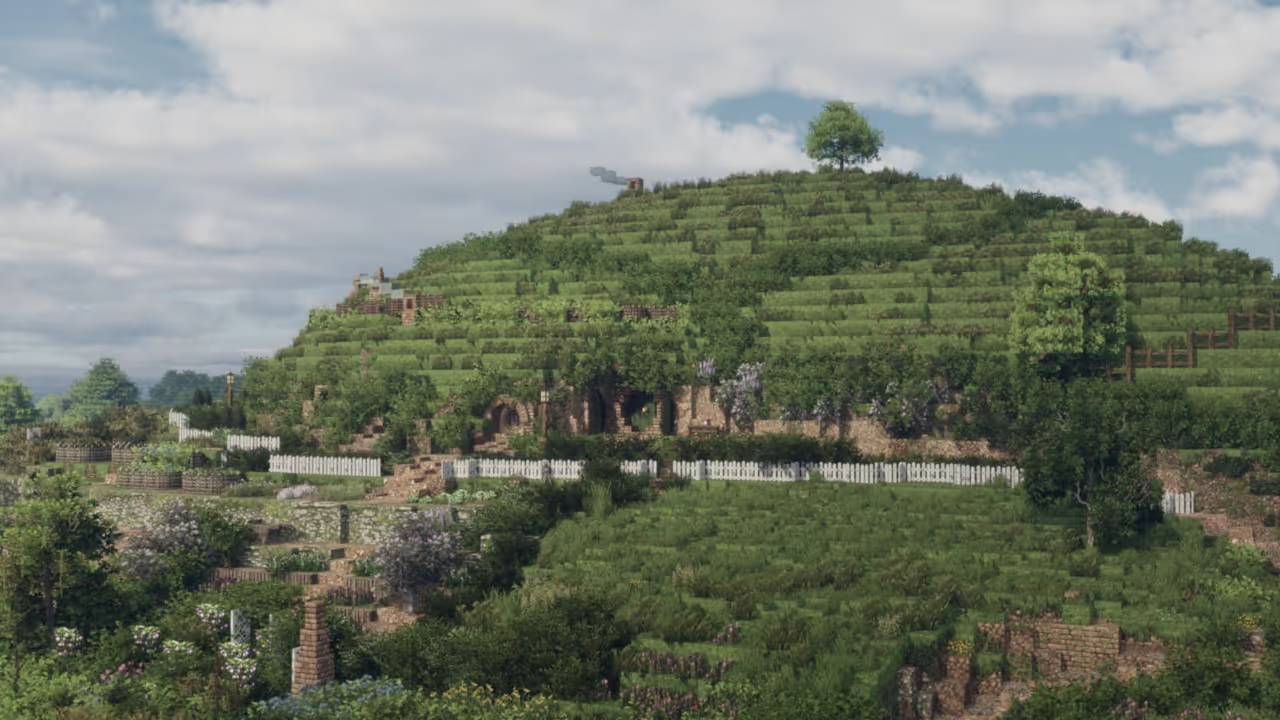
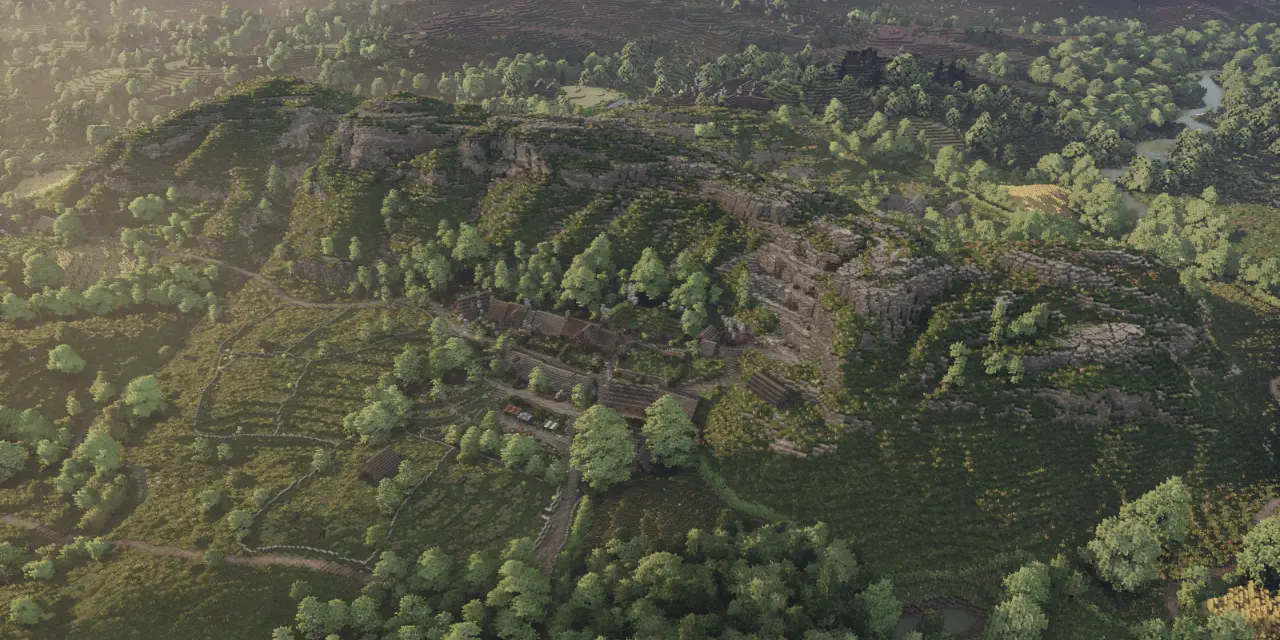
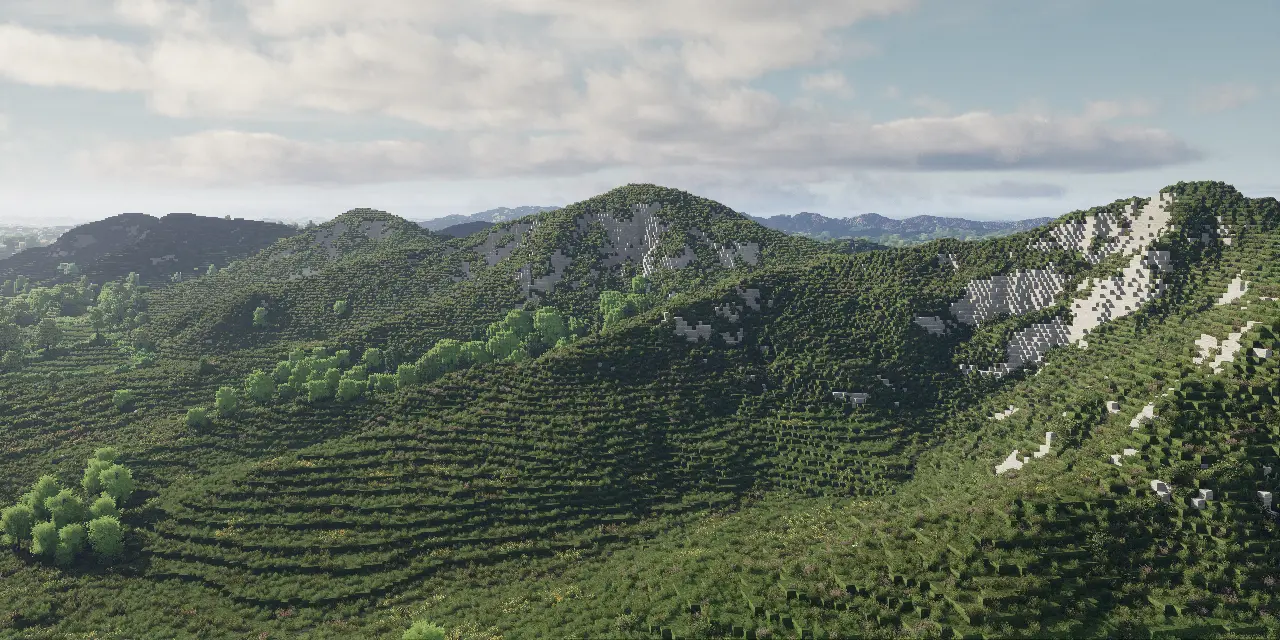
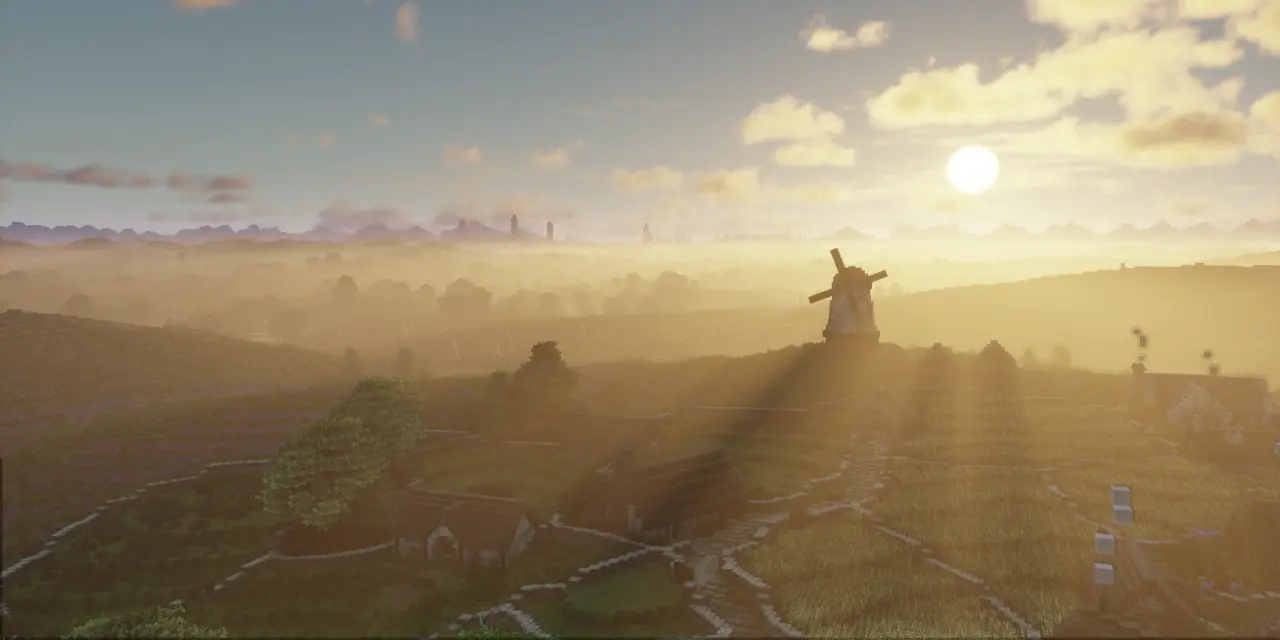
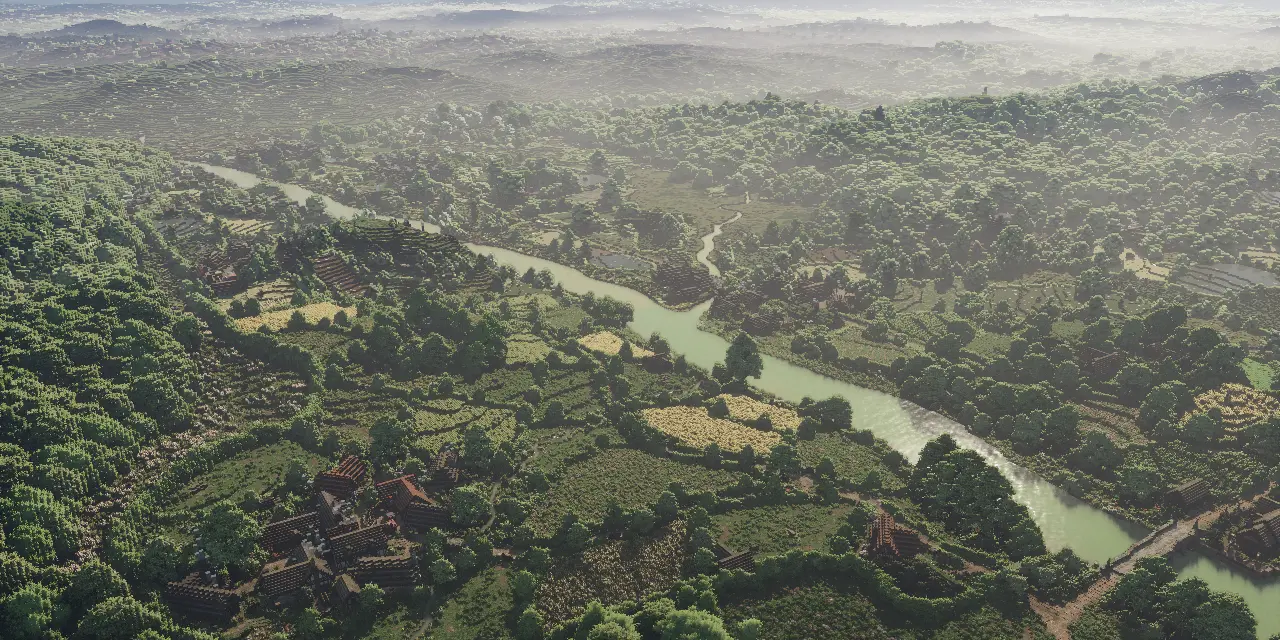
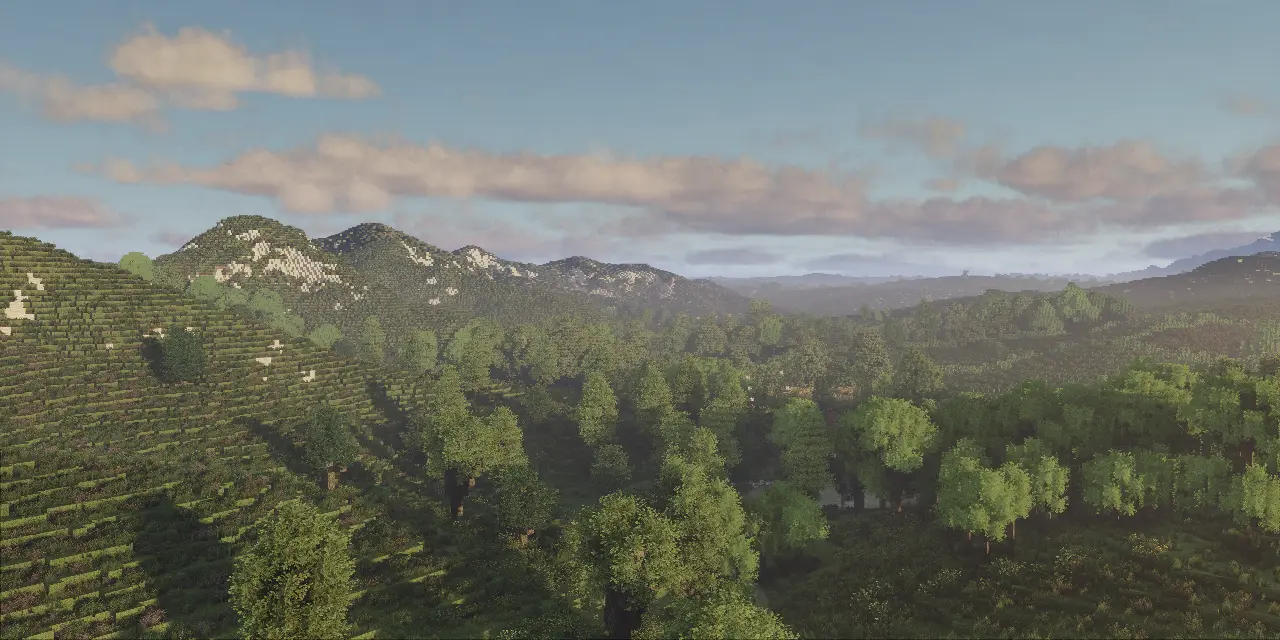
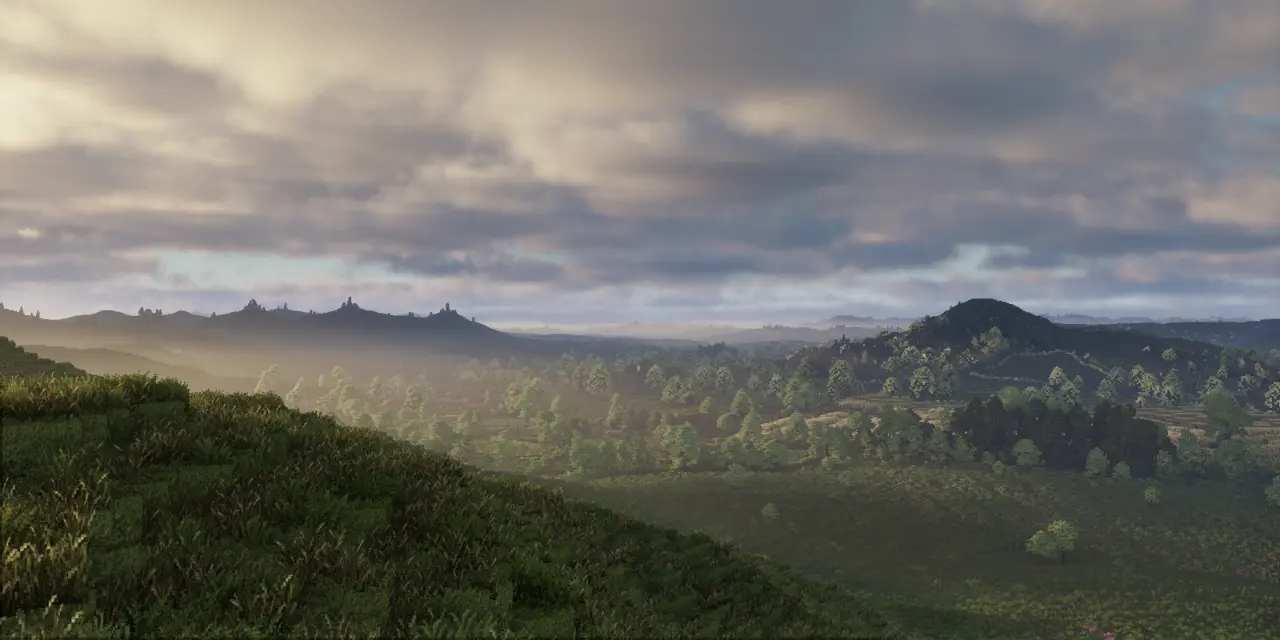
The Shire is relatively small, and entirely contained within the region of Eriador. The Shire is split into four farthings, three of which meet at the Three-Farthing Stone near Bywater. The Shire is bordered to the east by the Brandywine River, to the north by the North Moors, and to the west by the Far Downs. To the south, the borders are less clear, possibly following the River Shirebourn and the Overbourn Marshes. The Shire features several regions either within, or comprising parts of several farthings. The Yale and Bridgefields are areas of farmland in the Eastfarthing, The Marish is a swampland across the Brandywine from Buckland and the Green Hill Country sprawls in a line of soft summits from the Westfarthing to the Woody End near Woodhall. Though the land is, on the whole, relatively easy going and flat, there are some areas of raised terrain, such as the White Downs and Far Downs of the Westfarthing, the North Moors of the Northfarthing, and the Hills of Scary in the Eastfarthing. Near the centre of the Shire, Hobbiton Hill protrudes out of the surrounding fields, home to the Bagginses of Bag End. There are a number of waterways important to the Shire, despite the general aversion of Hobbits to water; rising perhaps in the north-western most parts of the Westfarthing, the Water strikes a course south-eastwards, until turning eastwards around Hobbiton, flowing through the heart of the Shire, through Rushock Bog near Needlehole powering the mill at Hobbiton, before reaching Bywater Pool and emptying into the Brandywine River just above the Brandywine Bridge, across which the East Road enters the Shire. The Road itself travels directly across the Shire, and is the main place the ‘Big People’ can be found, passing through the settlements such as Waymeet and Michel Delving as it winds its way towards the Tower Hills to the west, or Bree to the east. Other roads in the Shire include the Causeway, which is elevated above the marshes of the Marish, and the Northway, which branches off the East Road near Frogmorton. An unnamed road leaves the East Road at Waymeet, leading southwards to the Sarn Ford.
Climate
The climate of the Shire is generally temperate, with some regional variation. Snow is more common in the Northfarthing, whilst the warmer temperatures of the Southfarthing are adequate for grapes and pipe-weed to grow.
Culture
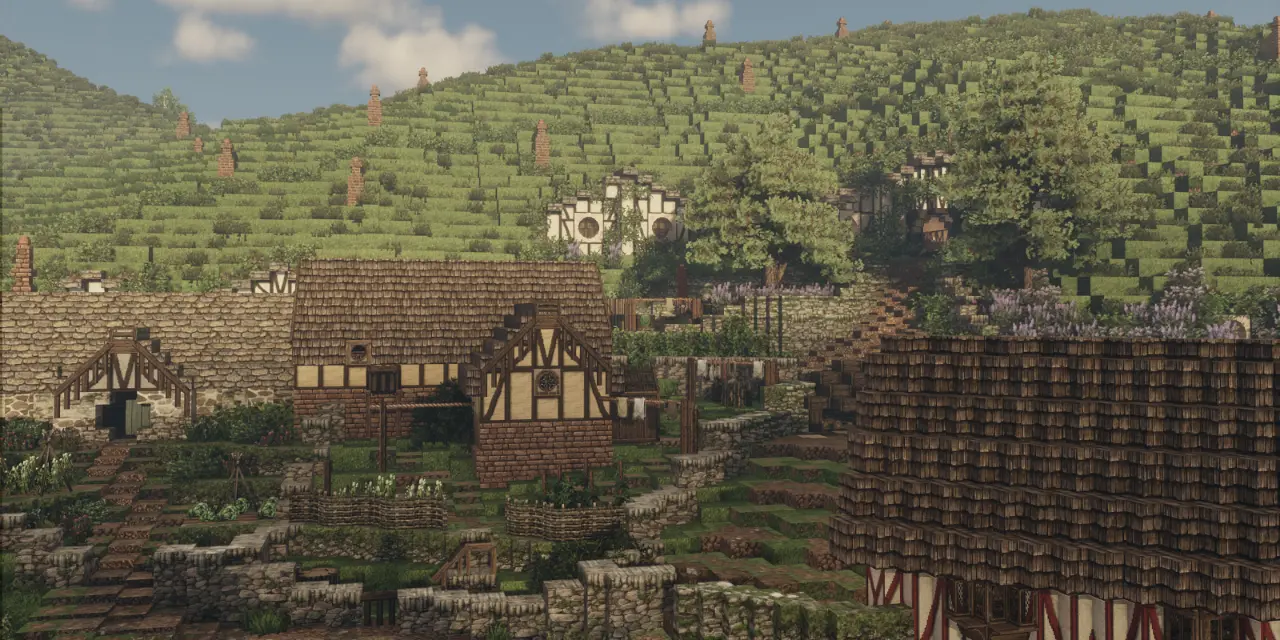
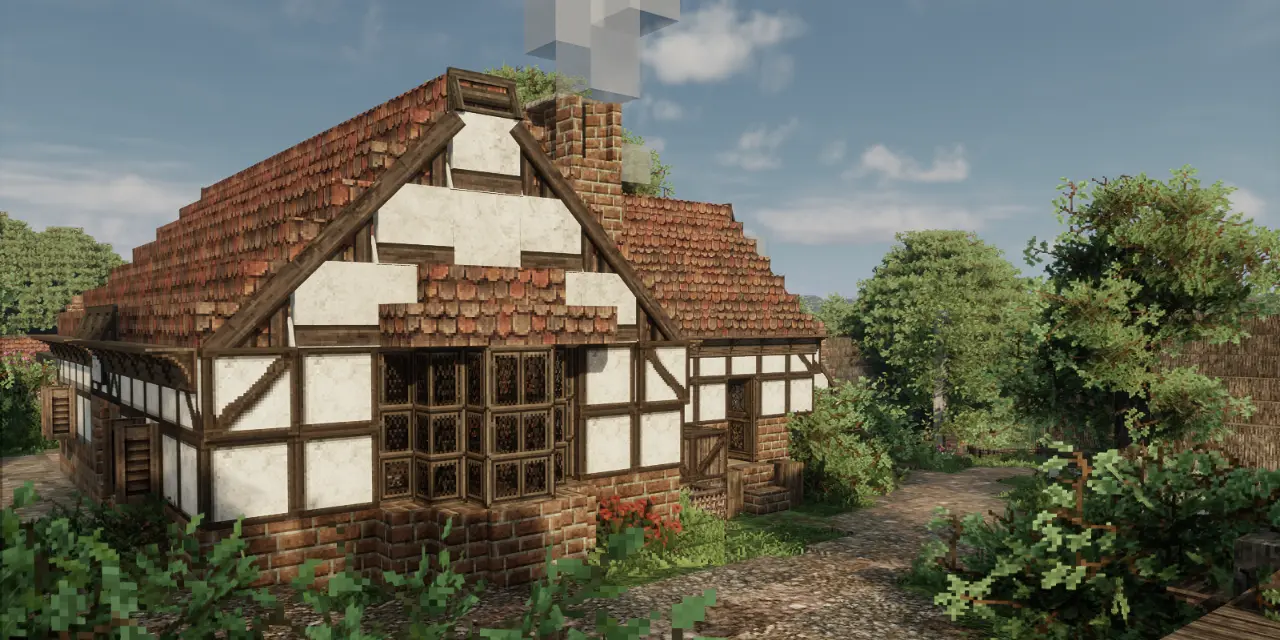
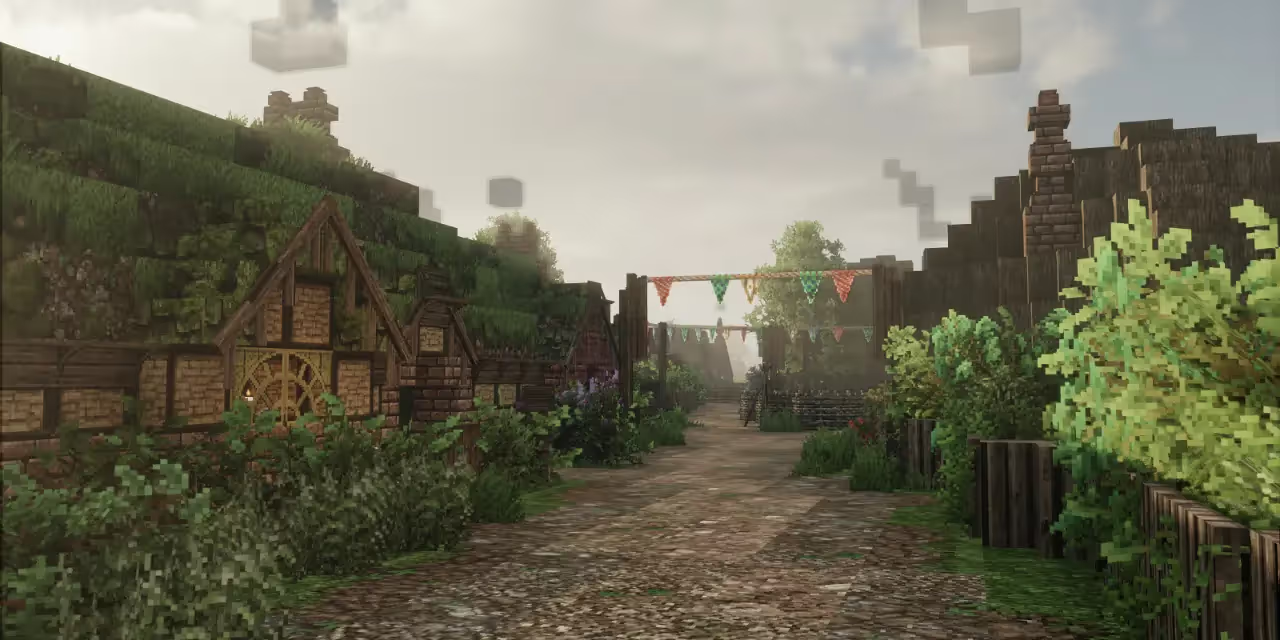
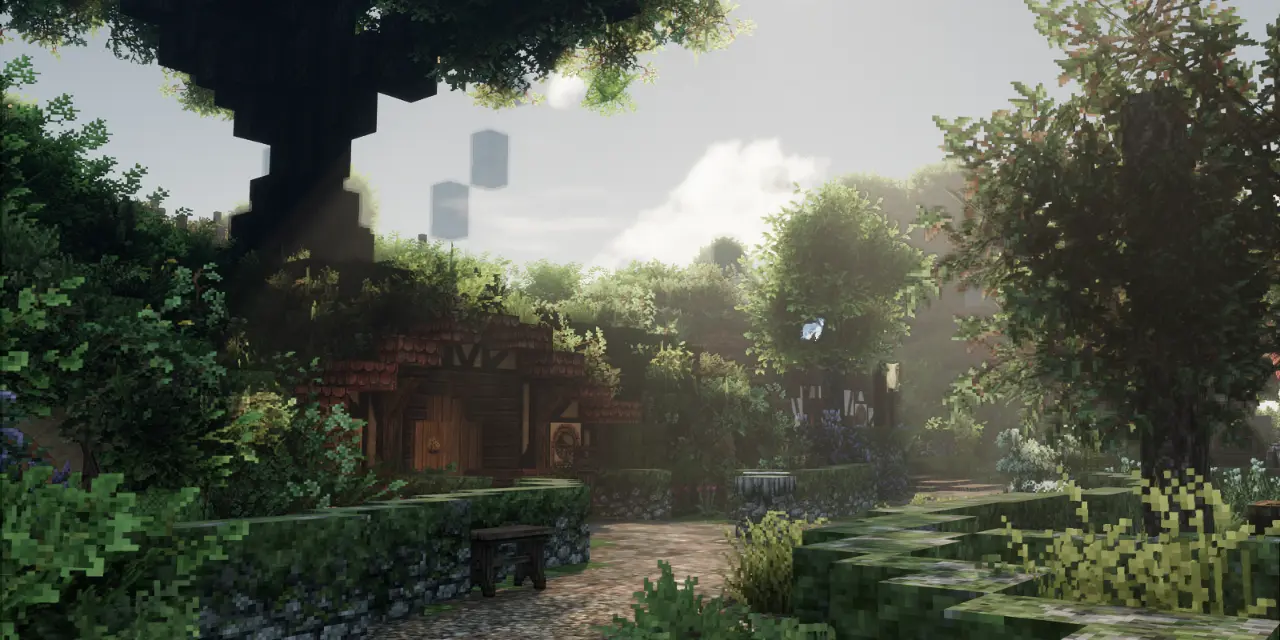
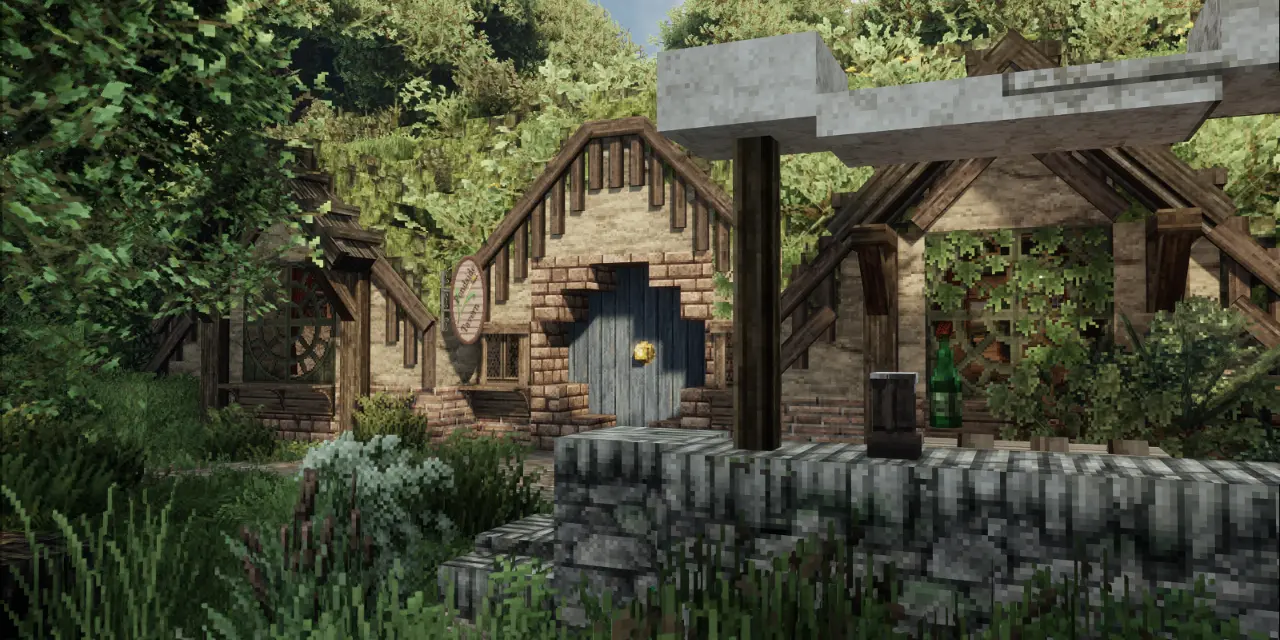
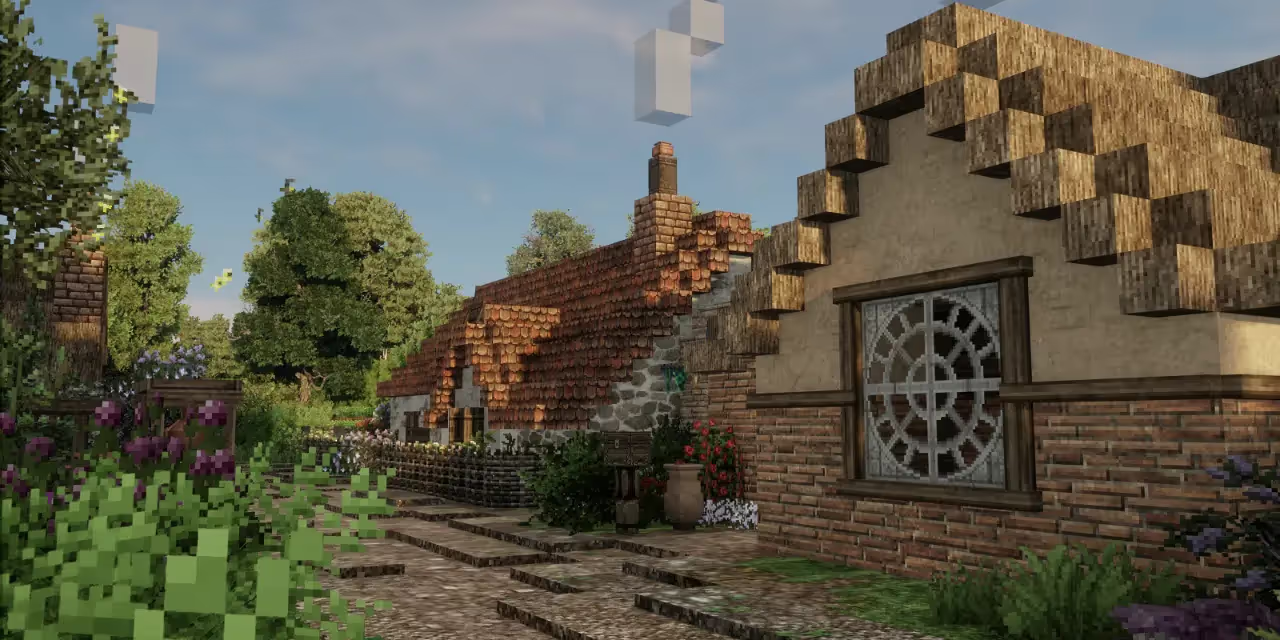
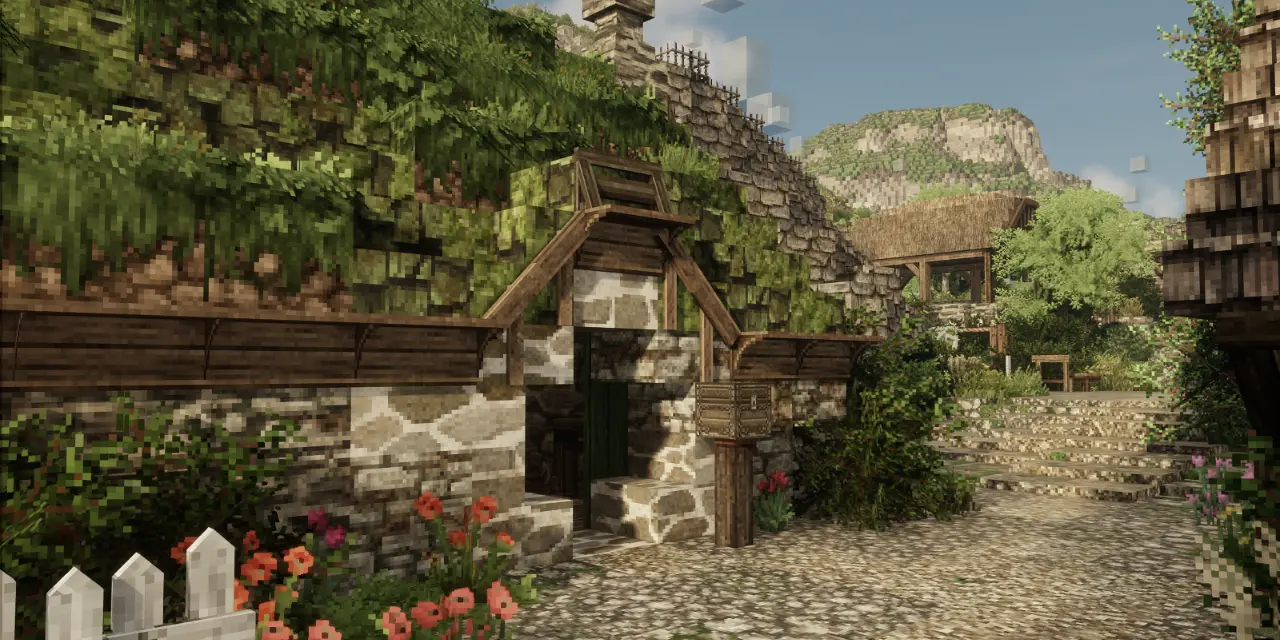
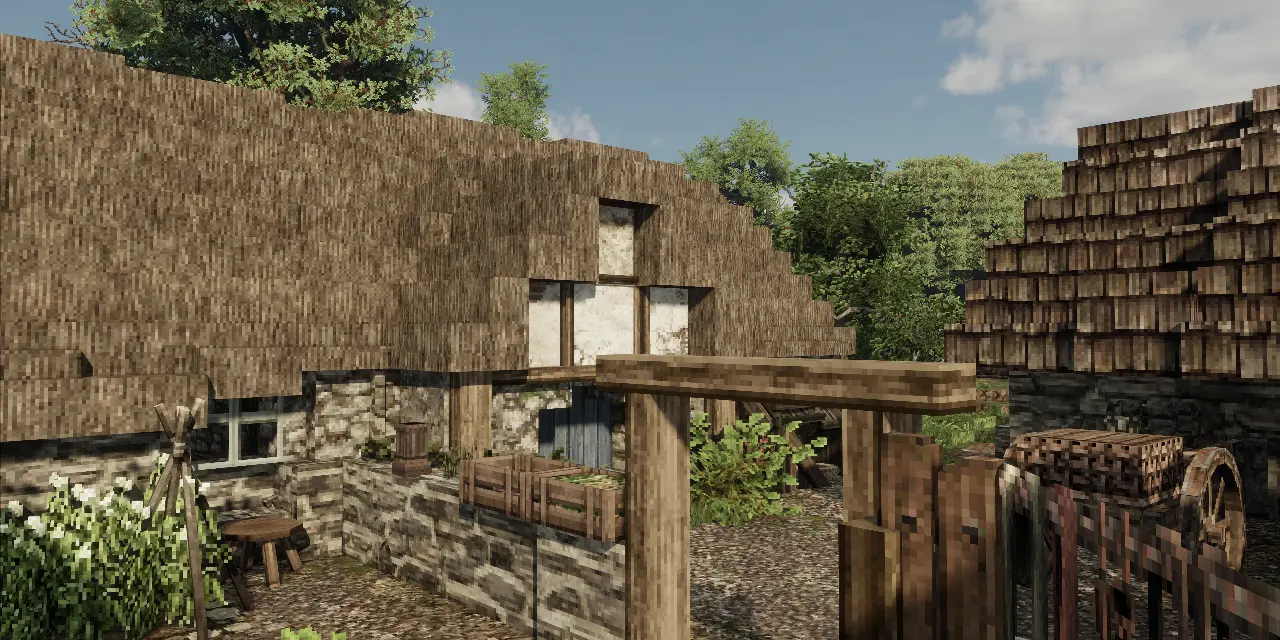
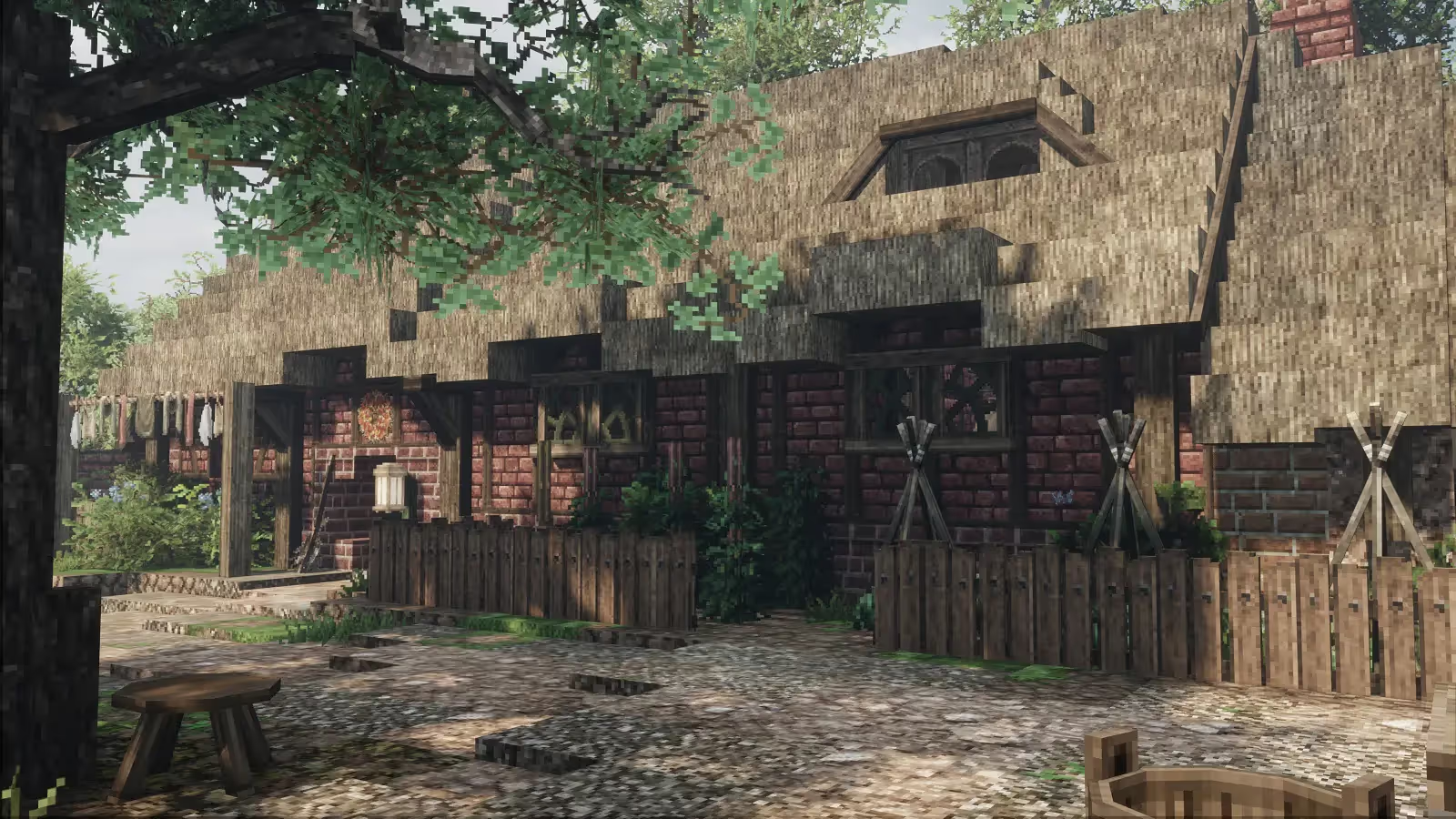
The Hobbits of the Shire live isolated, contented lives. Food is plentiful, pubs are found in every village and presents are given freely at every birthday. Most Hobbits live in houses, although the richest and poorest among them live in smials, dug into the earth. Most Hobbits are generally inward-looking and somewhat xenophobic people, who view outsiders with suspicion, and lack any sense of adventure. Only the bravest members of the Took family ever dare leave the Shire, and only then to the nearby village of Bree, where they mostly visit other Hobbits. Even the Hobbits of Buckland and the Marish are seen as ‘queer’, due to their beards, use of footwear and love of the water. The Shire also has its own calendar, with the system of ‘Shire-reckoning’ beginning with the settling of the Shire in T.A. 1601. Thus, Shire-reckoning can be calculated by subtracting 1600 from the year of the Third Age. Hobbits have a deep love for genealogy, and many families trace their lineage back many generations; powerful families such as the Brandybucks and Tooks own a lot of land and hold considerable sway over some parts of the Shire.
Governance
The Shire is still technically under the authority of the King of Arthedain, though that line has, to the knowledge of most, gone extinct. In place of the King, the Hobbits have a Thain, hereditary in the Oldbuck family, until the title transferred to the Tooks after the founding of Buckland. The role is ceremonial however, and is held by the head of the Took family, also merely known as ‘The Took’, despite technically granting authority over all four farthings, though the head of the Took family did have some power over Tookland itself. In Buckland, as well as parts of the Eastfarthing between Stock and Rushey, the authority of the ‘Master of the Hall’ was acknowledged; that being the head of the Brandybuck family at Brandy Hall. In Michel Delving, the Mayor is elected every seven years at the Free Fair, whose duties involve the organisation of the Watch and the Messenger service, which both served all farthings of the Shire, to watch the borders and deliver mail. The other officials in the Shire are the Shirriffs, of which there are three per farthing; their charge is protecting the Shire from troublemakers, and are identified by a feather in their caps.
Economy
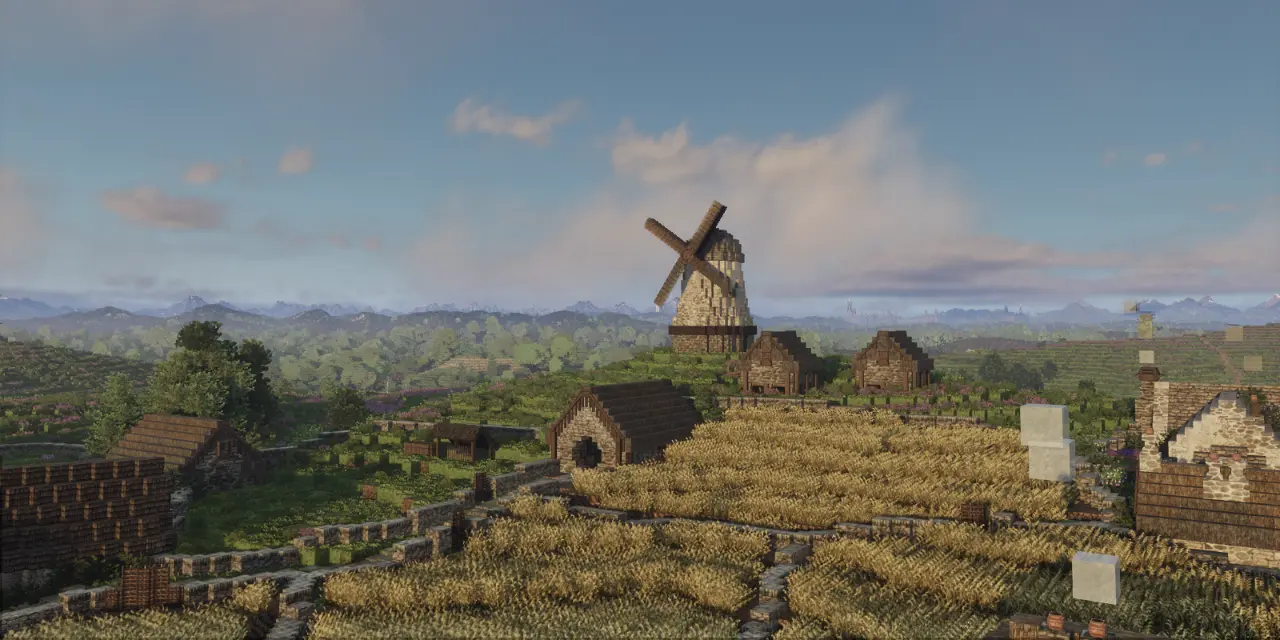
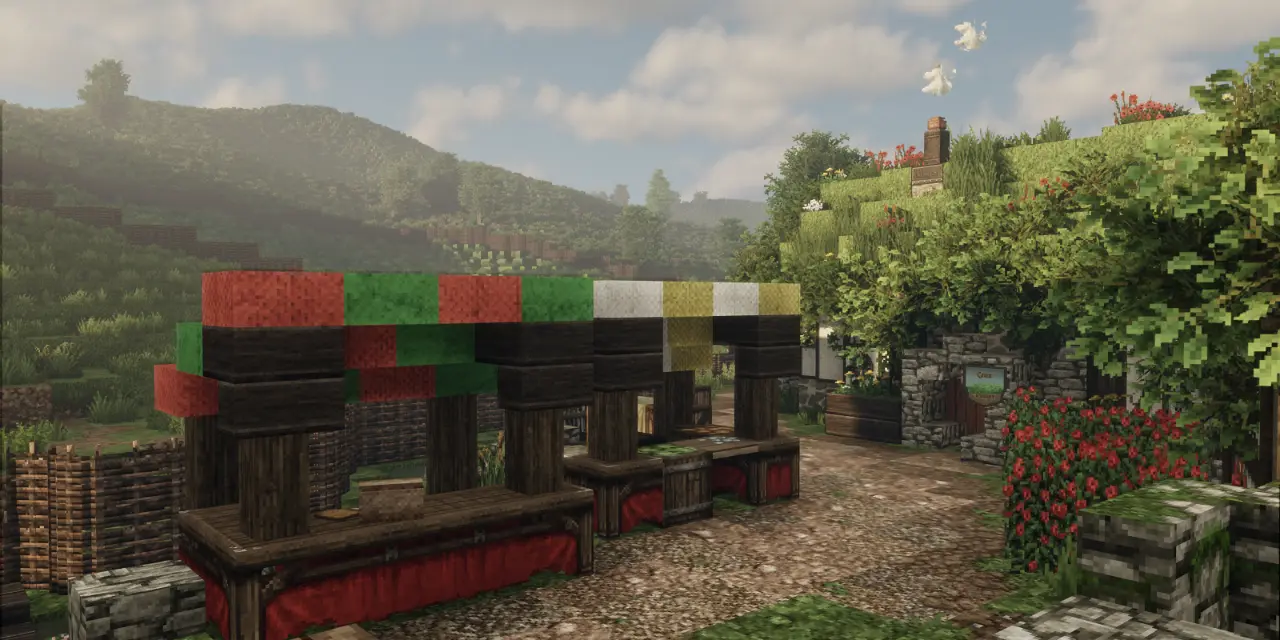
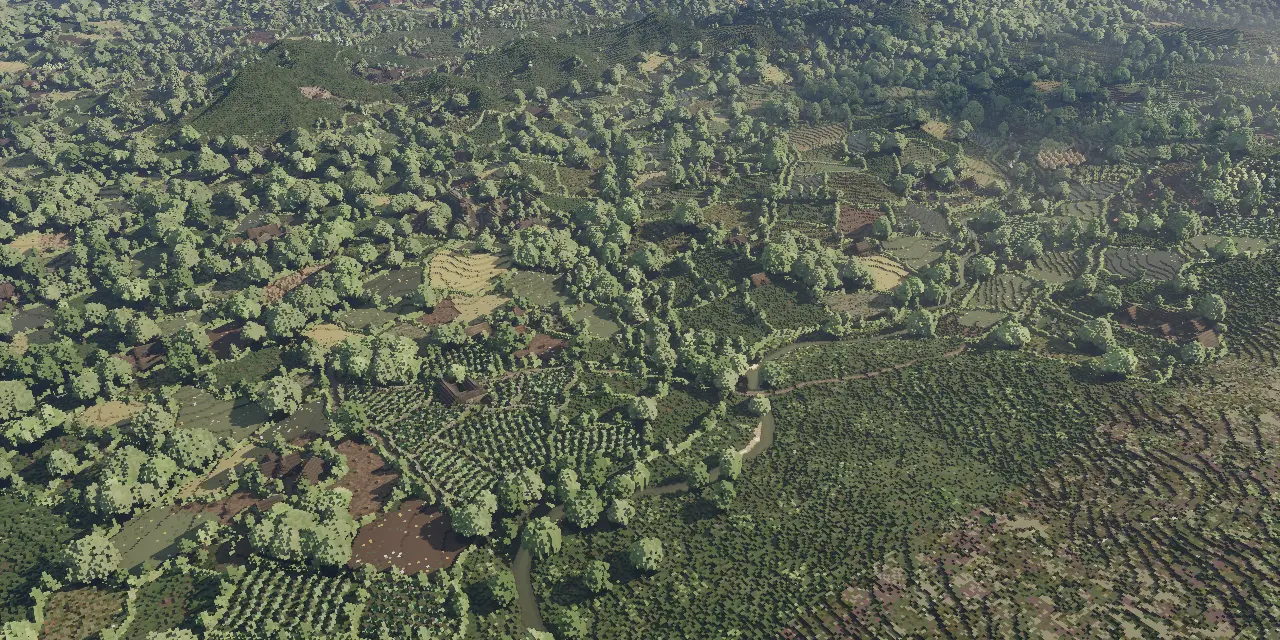
The economy of the Shire is heavily agrarian, with the majority of the populace involved in the production of food in some way. Most of the land is owned by landowners, such as the Took or Baggins families, from whom it is rented by individual farmers. In larger settlements, more skilled professions exist, though no Hobbit ever worked tools more complex than a bellows, as a rule. Some food is exported to the Dwarves of the Ered Luin and in some localities, there is a regional trade, such as pipe-weed and wine in the Southfarthing, and stone from the Hills of Scary.