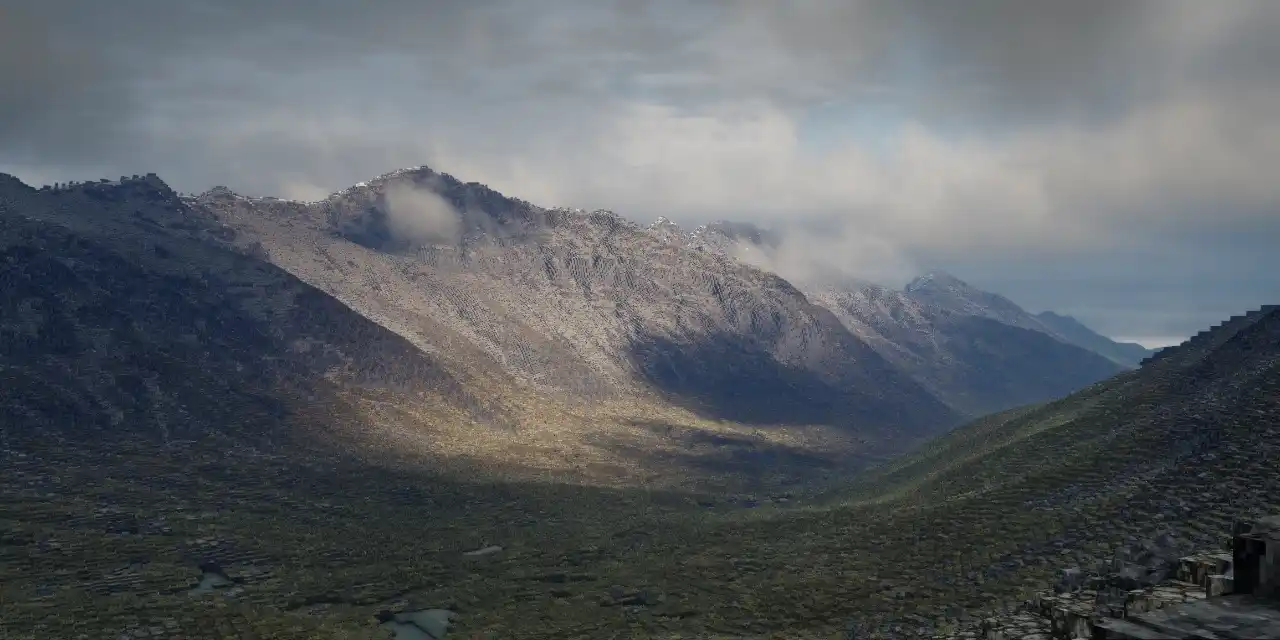
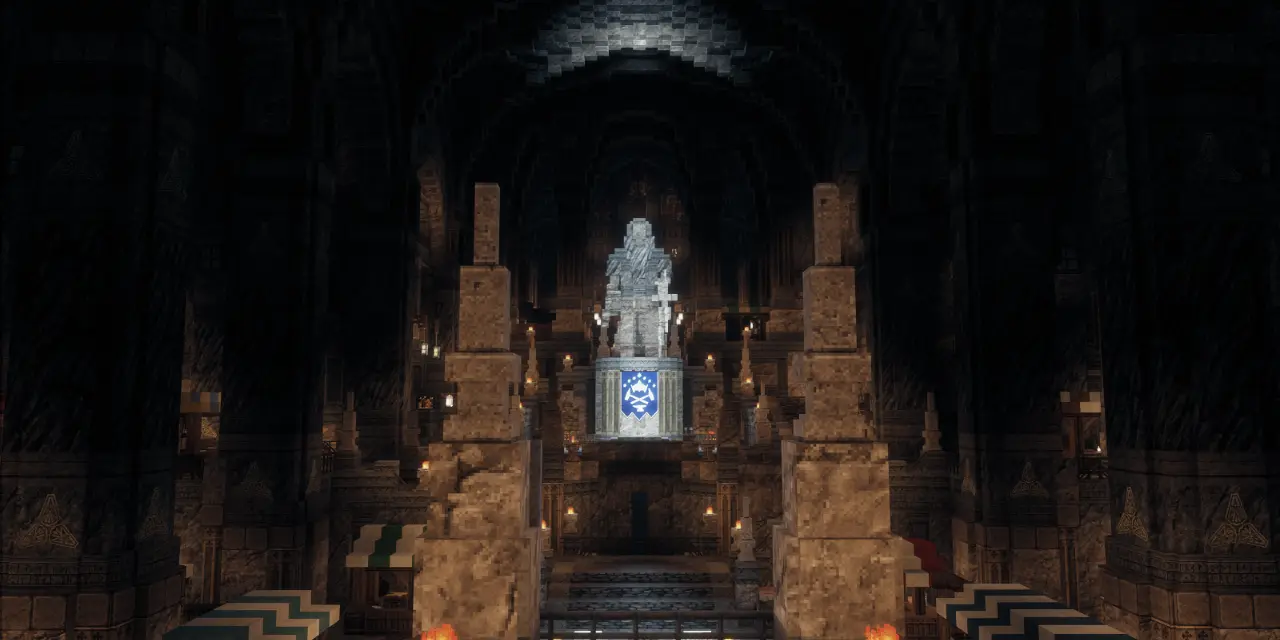
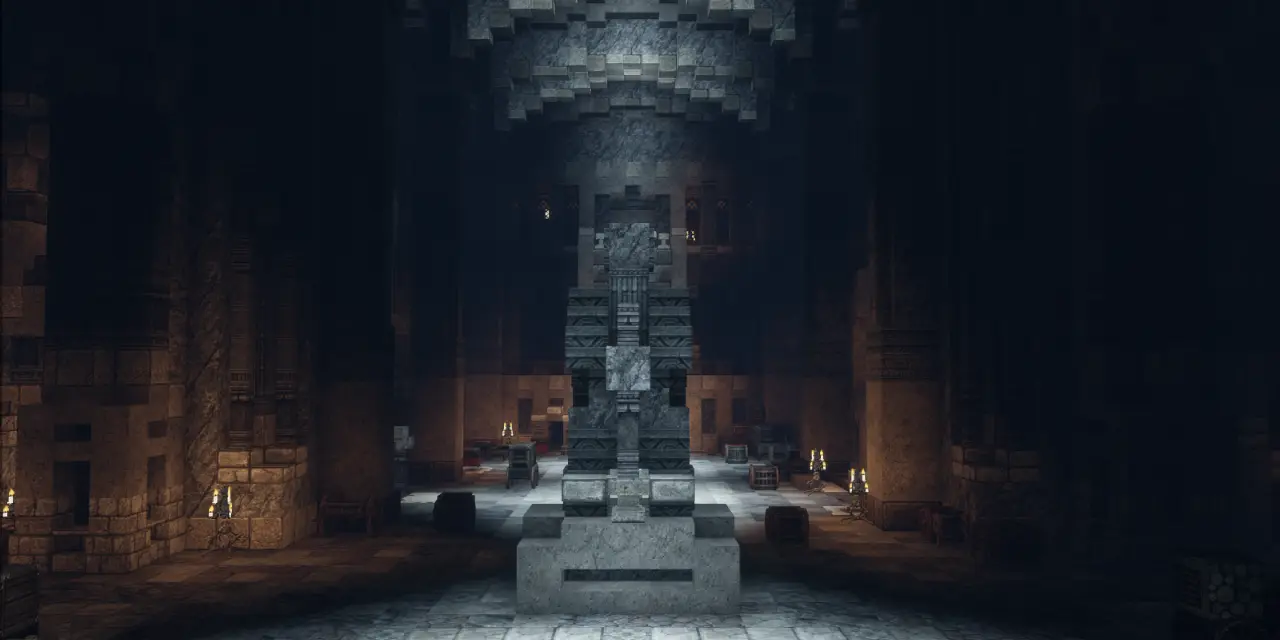
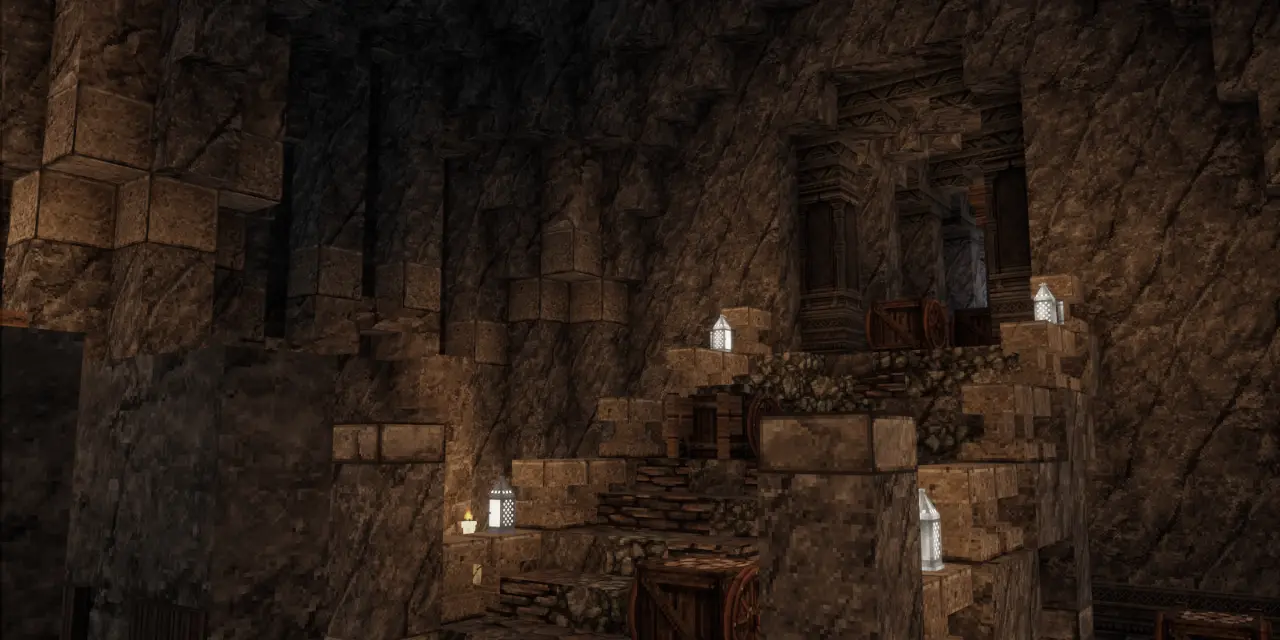
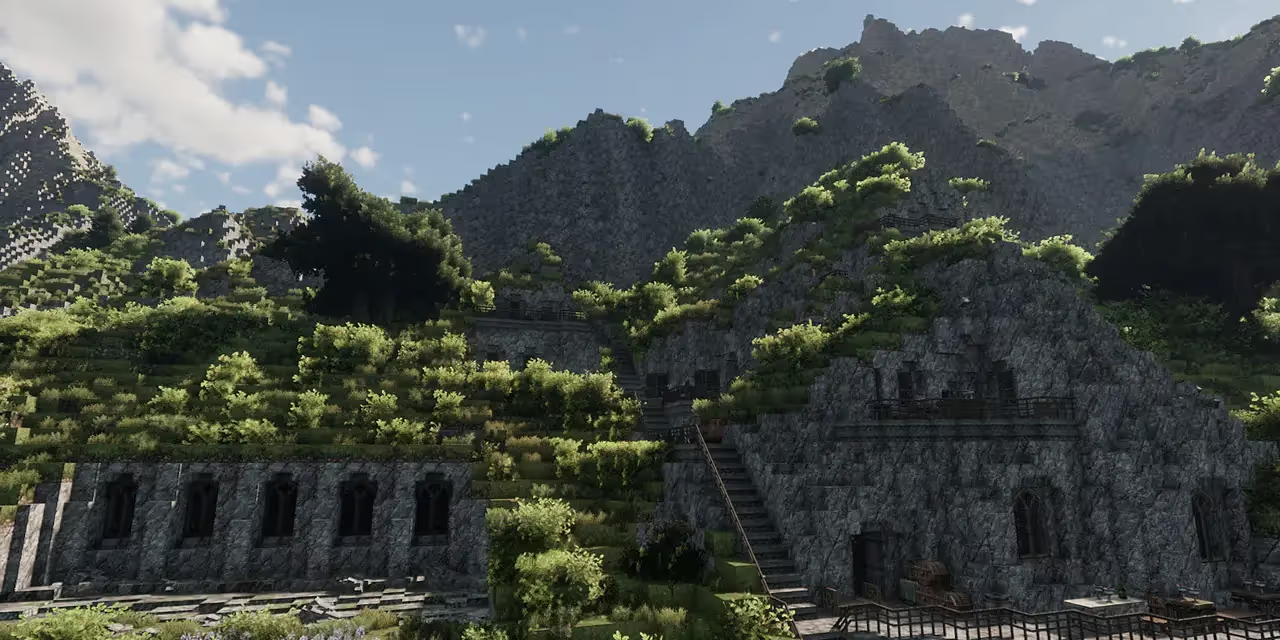
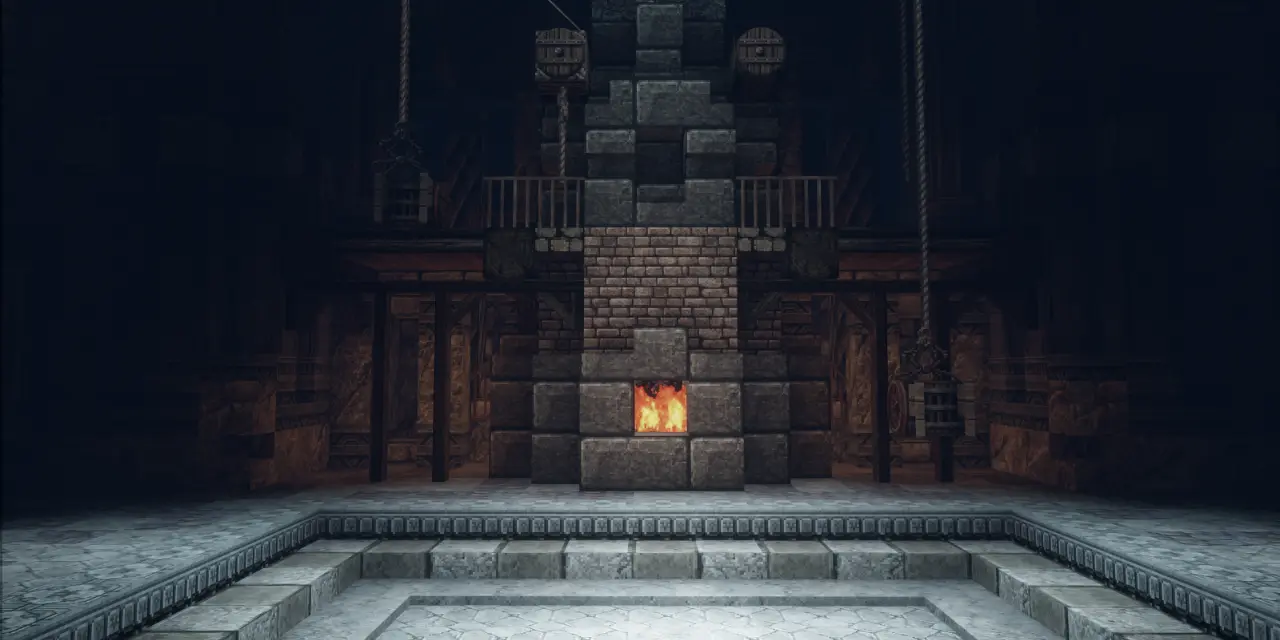
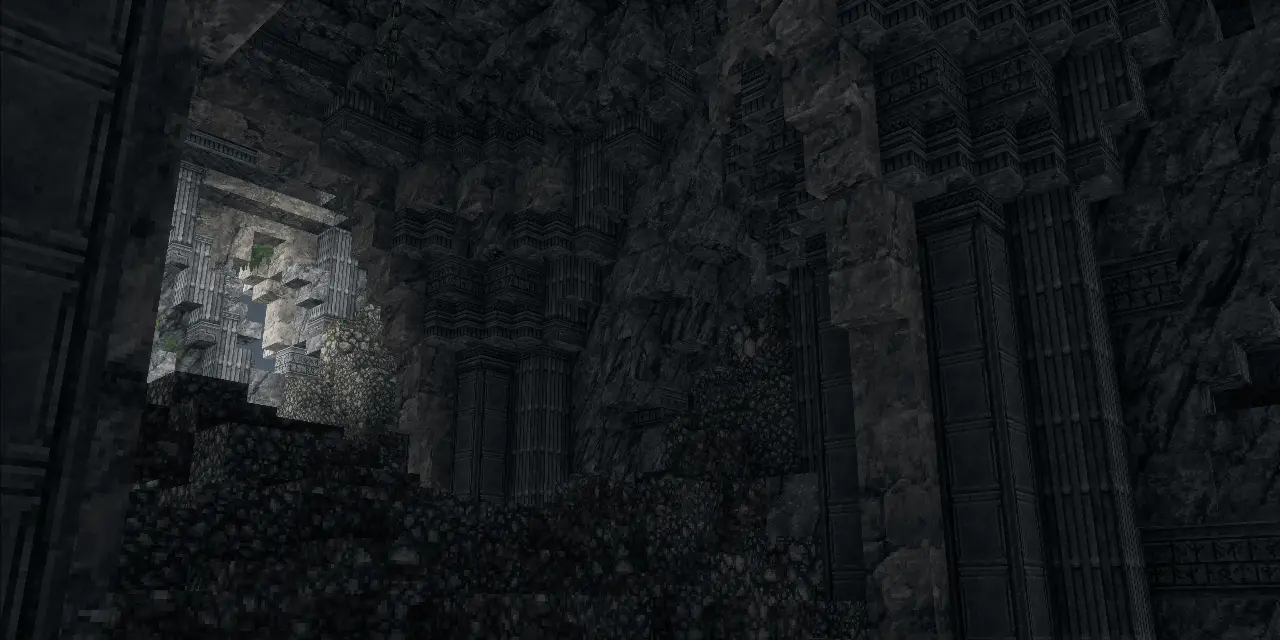
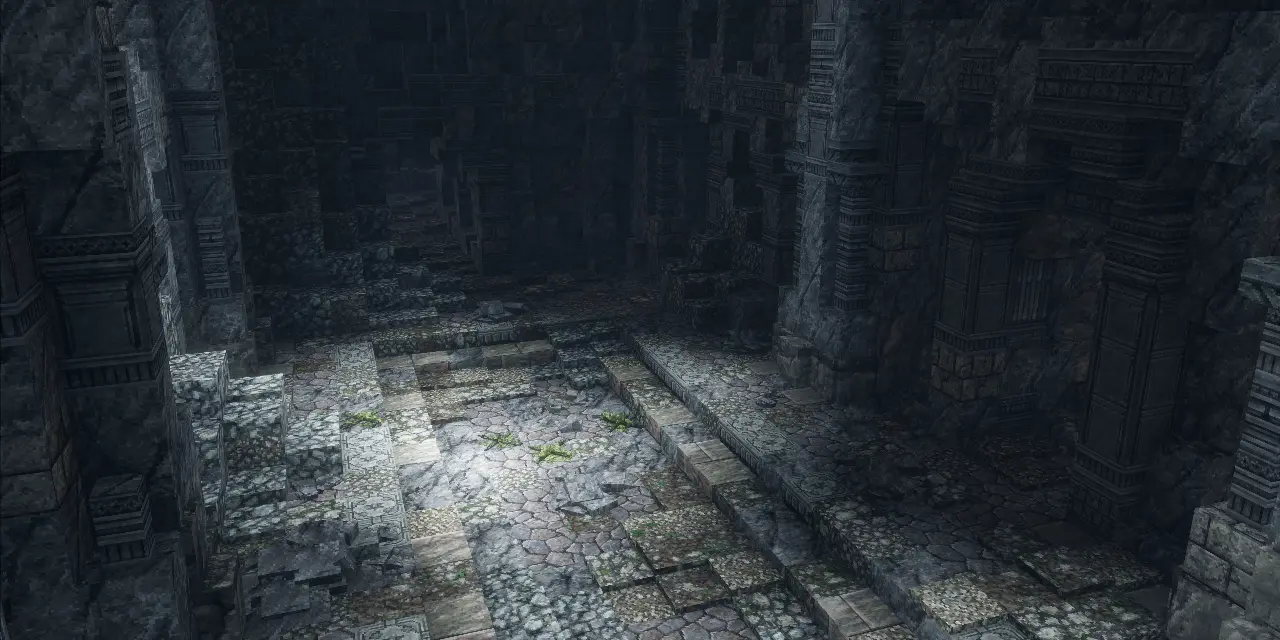
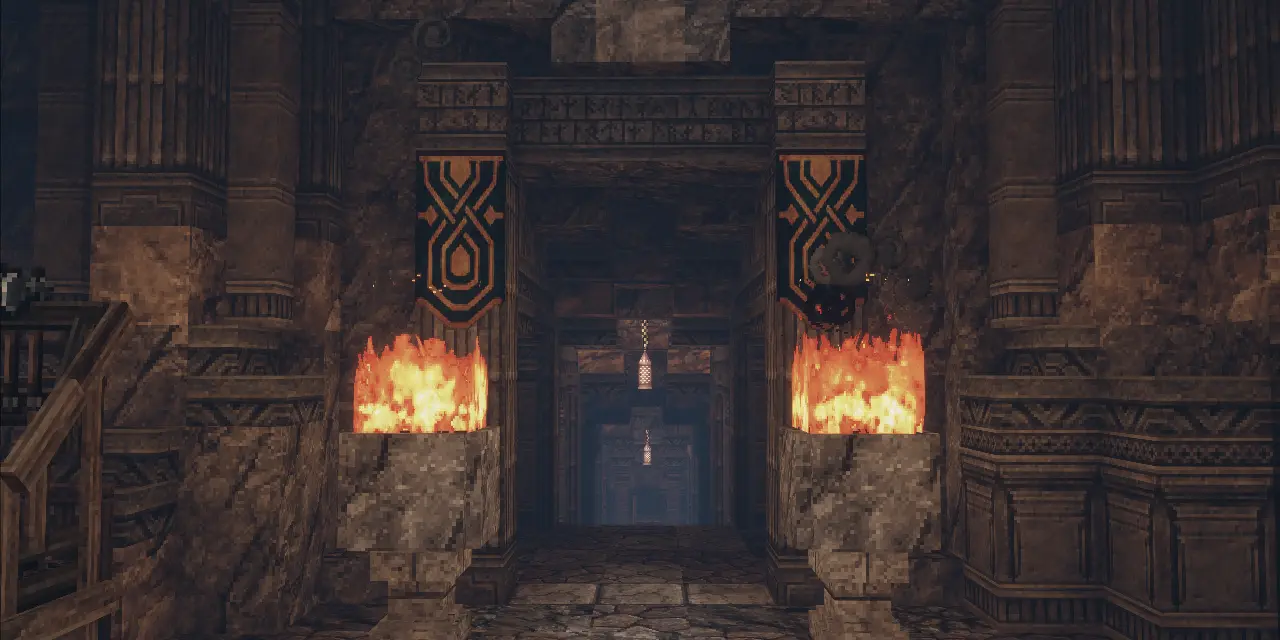
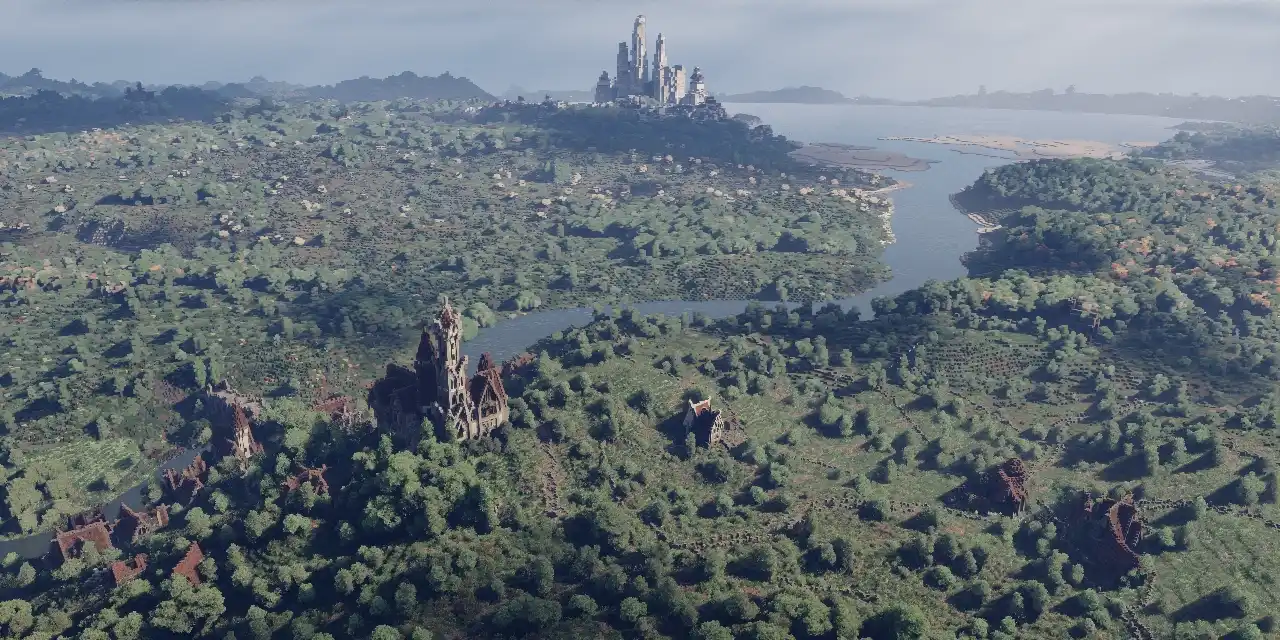
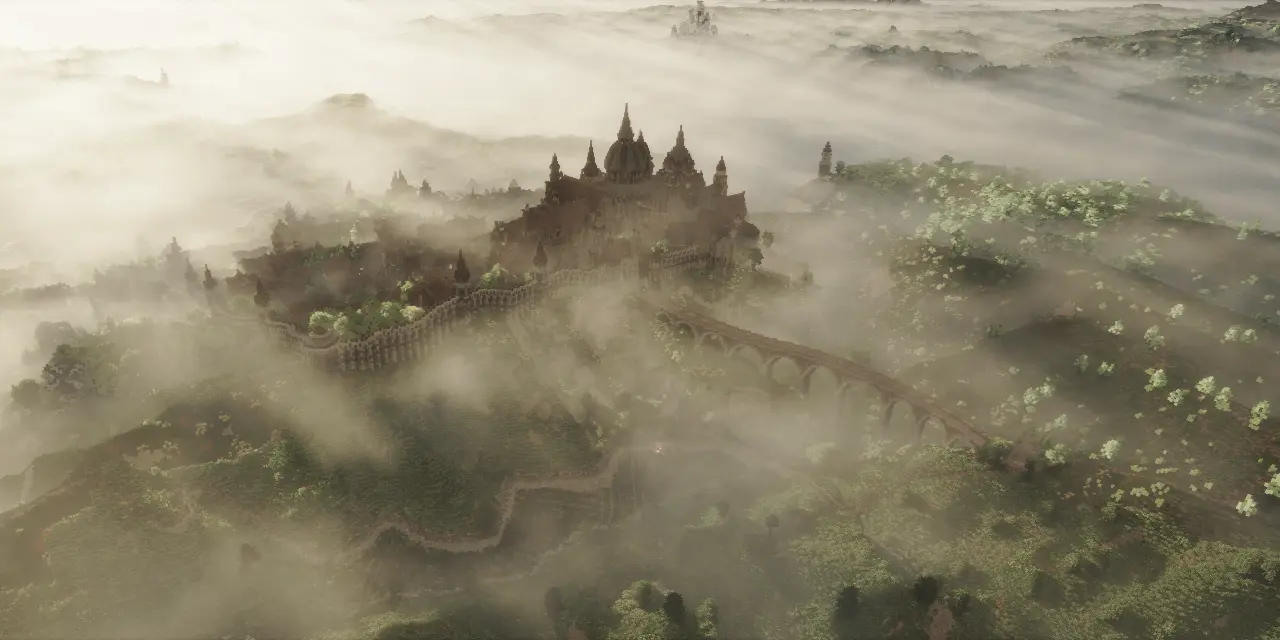
Dwarves dwelt, and still dwell, in the east side of the Blue Mountains, especially in those parts south of the Gulf of Lune, where they have mines that are still in use. For this reason they were accustomed to pass east along the Great Road, as they had done for long years before.
– Appendix A: Annals of the Kings and Rulers
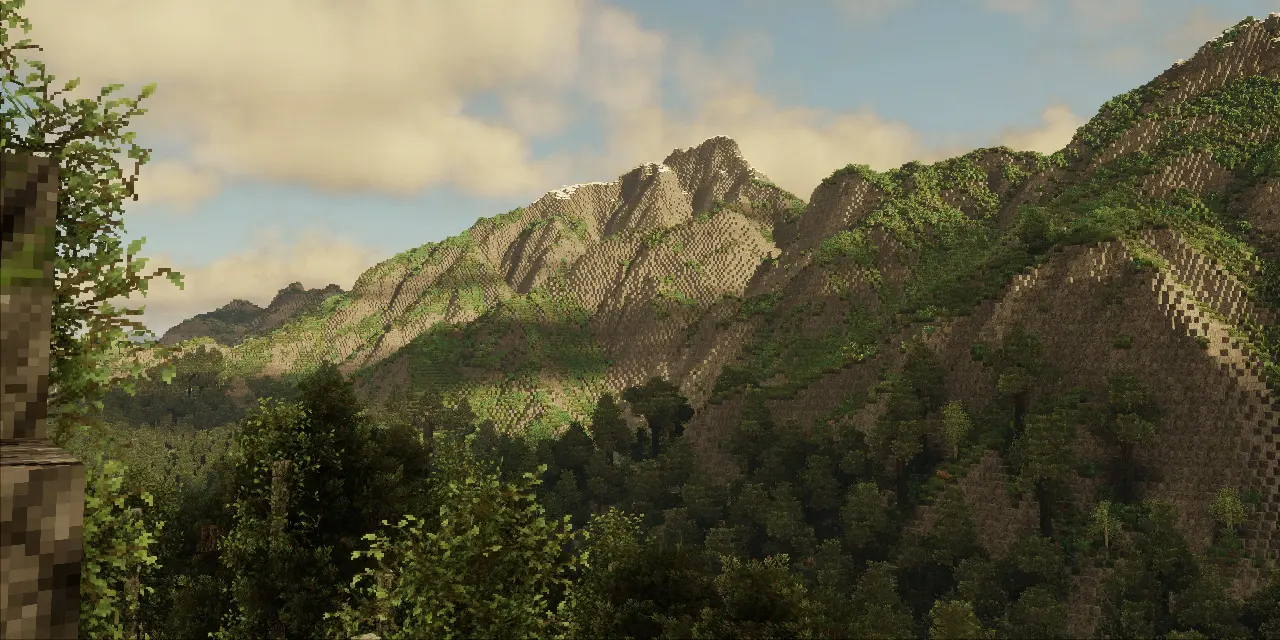
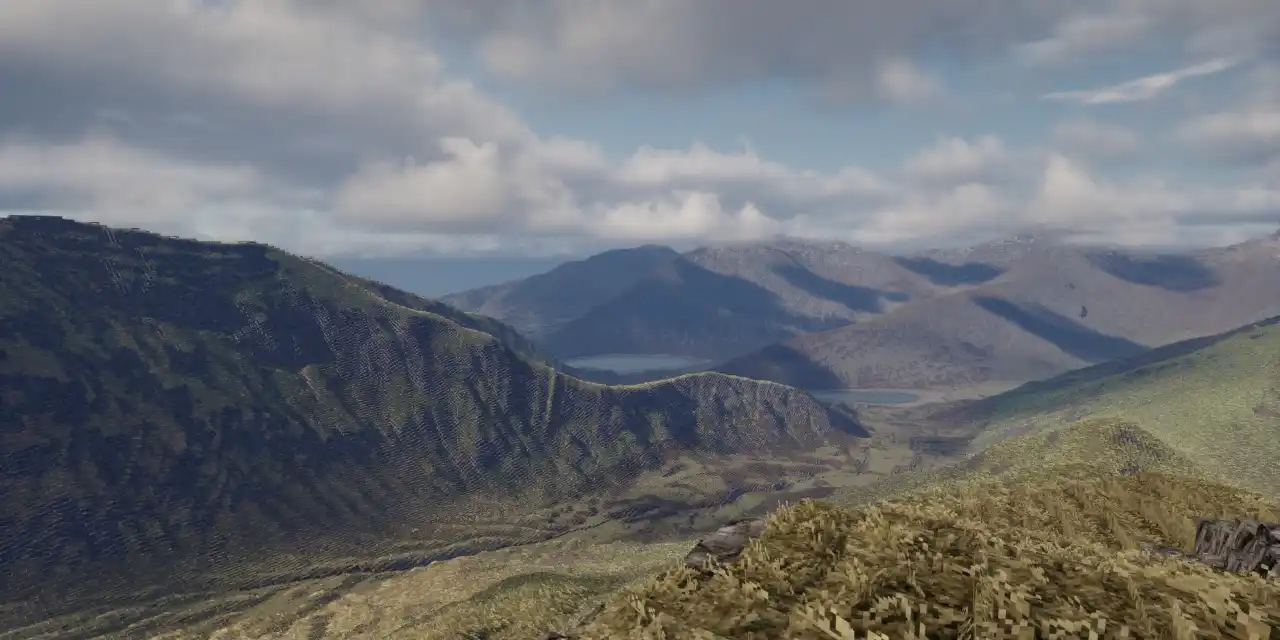
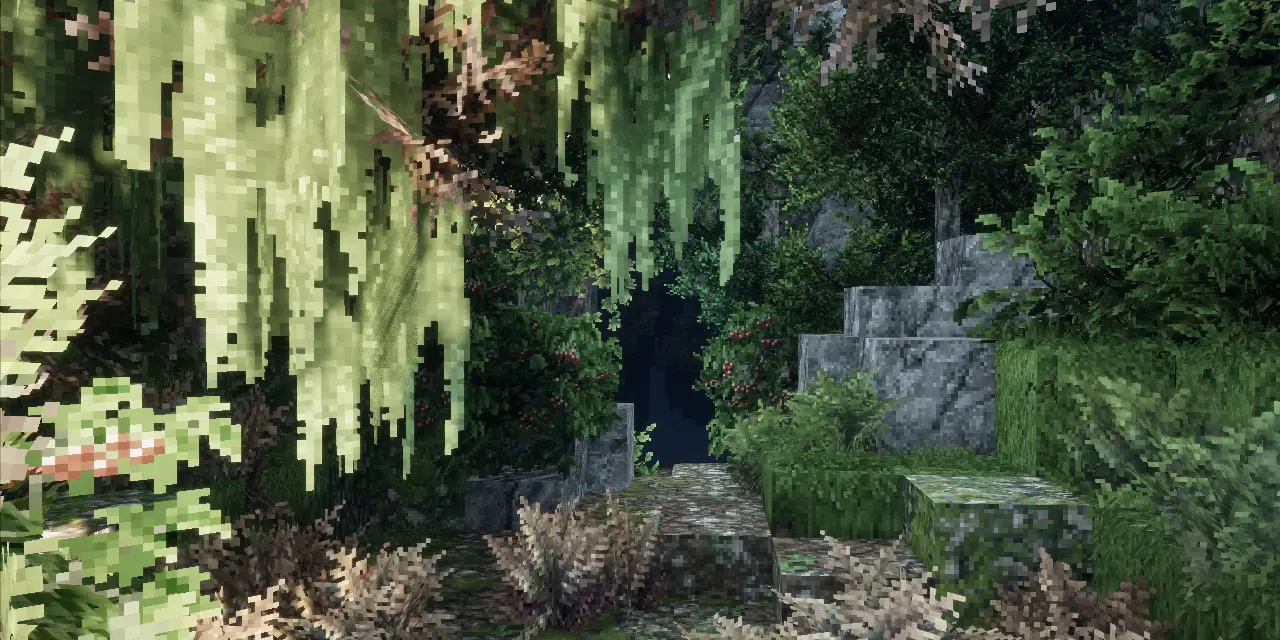
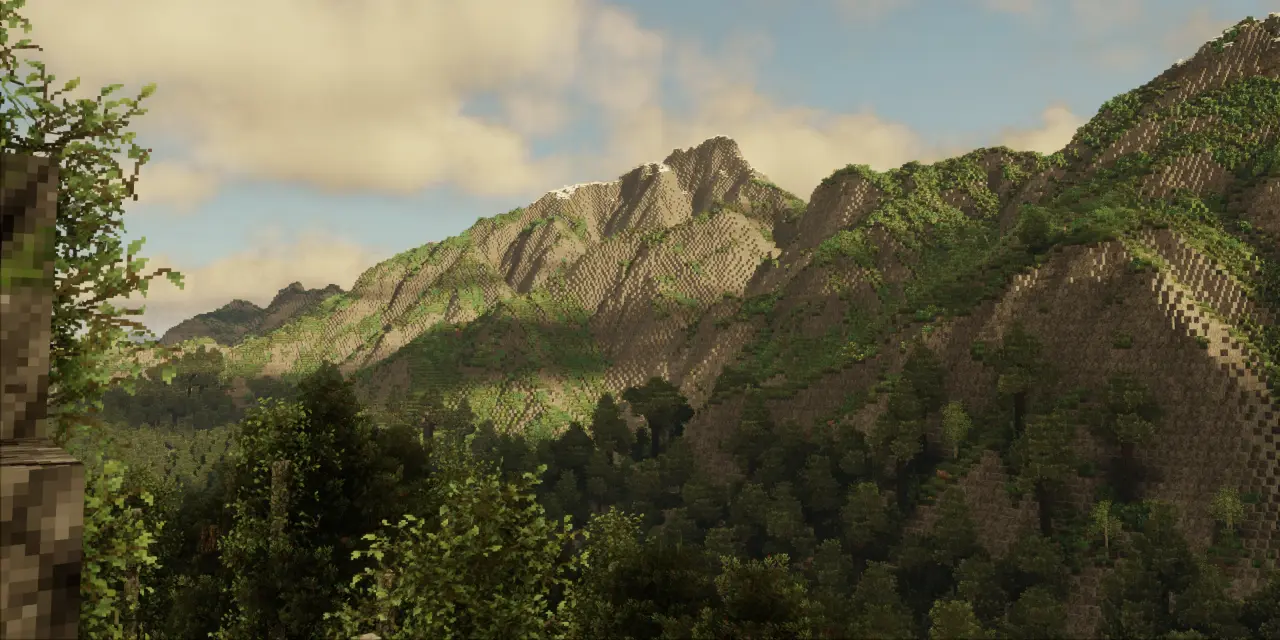
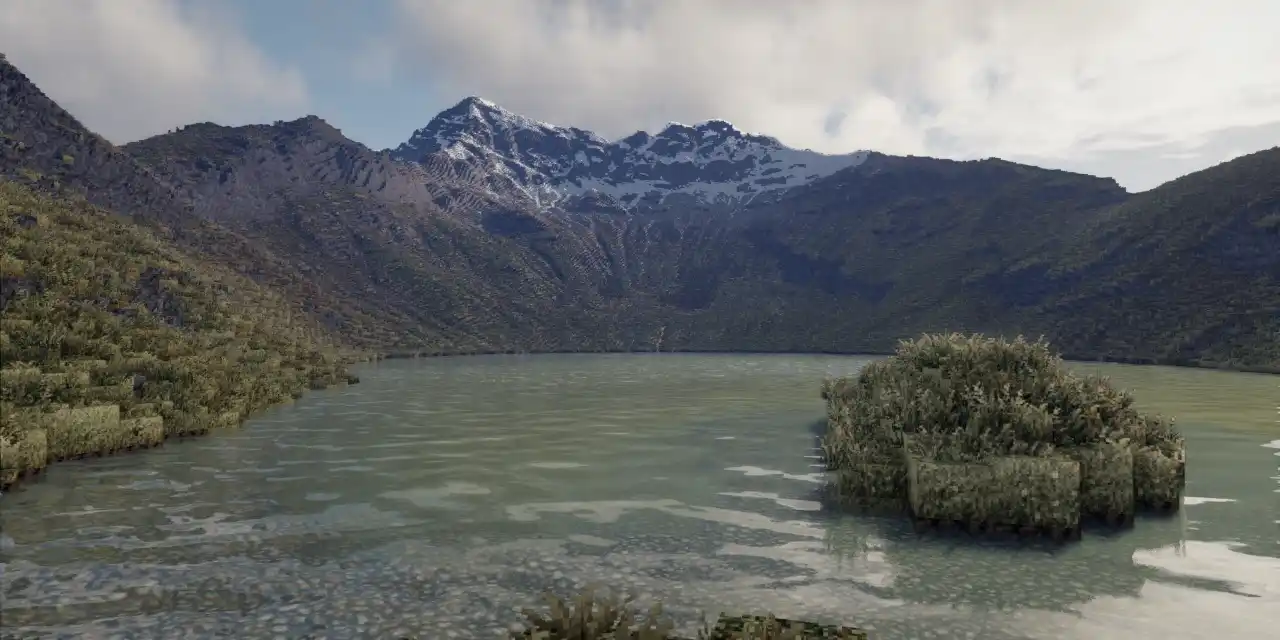
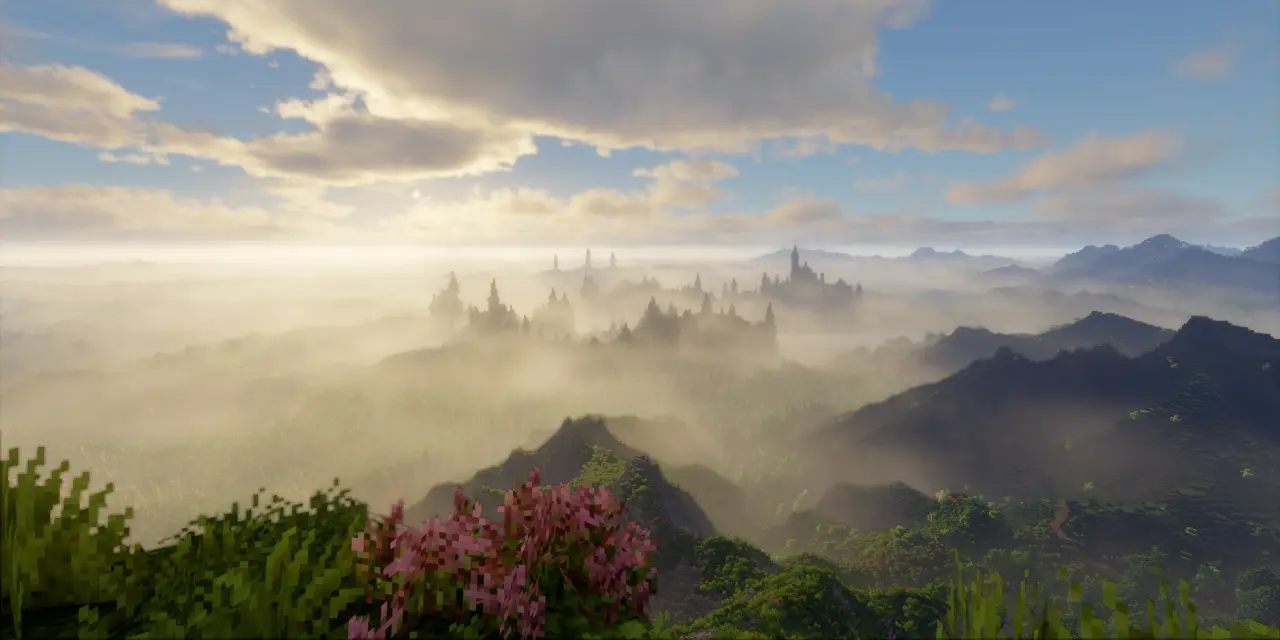
The Ered Luin, also known as the Blue Mountains, are a mountain range in the far west of Middle-earth. Once a part of Beleriand, the Ered Luin comprises two parts, separated by the Gulf of Lune roughly halfway down their length. They have been inhabited by dwarves for many millennia.
History
The Ered Luin were formed when the Valar widened the Great Sea after the destruction of the two lamps. At some point during the Years of the Trees, two of the Dwarven Fathers underwoke under Mount Dolmed, those of the Broadbeams and Firebeards. They founded the cities of Belegost and Nogrod, which became great dwarven settlements. During the First Age, the Ered Luin formed the eastern border of Beleriand, and were the source of the seven rivers of Ossiriand. During the War of Wrath at the end of that Age, the mountains were broken, and the Gulf of Lune penetrated the mountains around halfway along their length. The destruction of Beleriand drowned all the land west of the mountains, save for the headlands of Forlindon and Harlindon (collectively known as Lindon). The cities of Belegost and Nogrod were also destroyed, with most of their inhabitants fleeing to Moria, though a few remained.
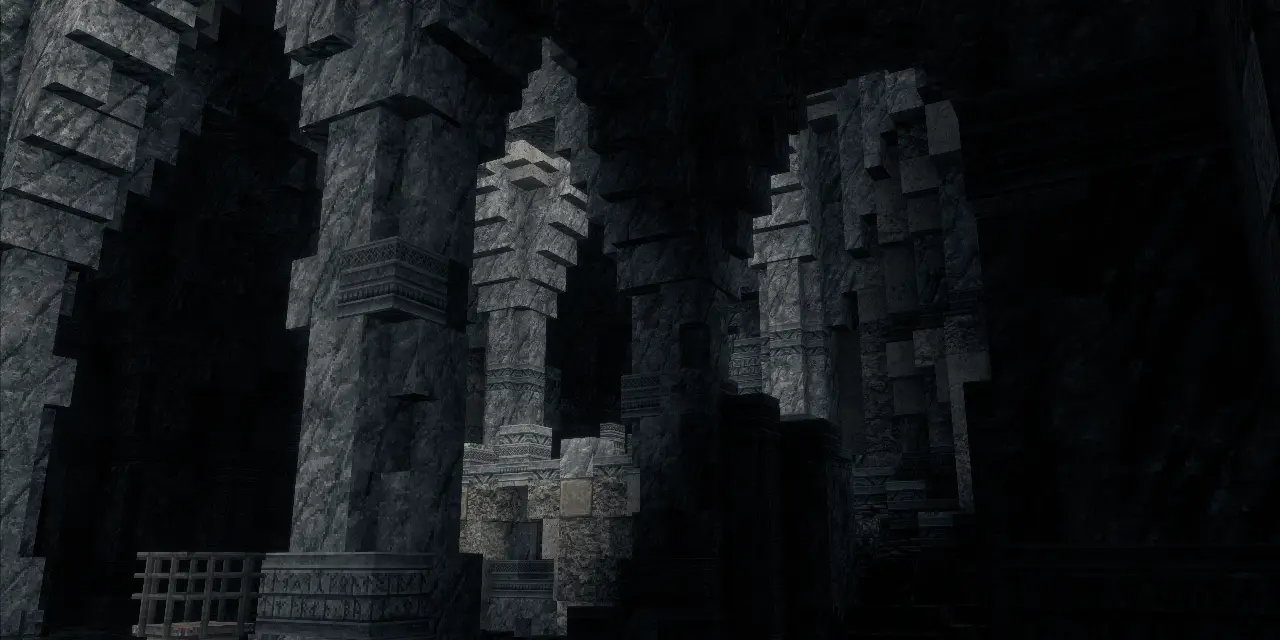
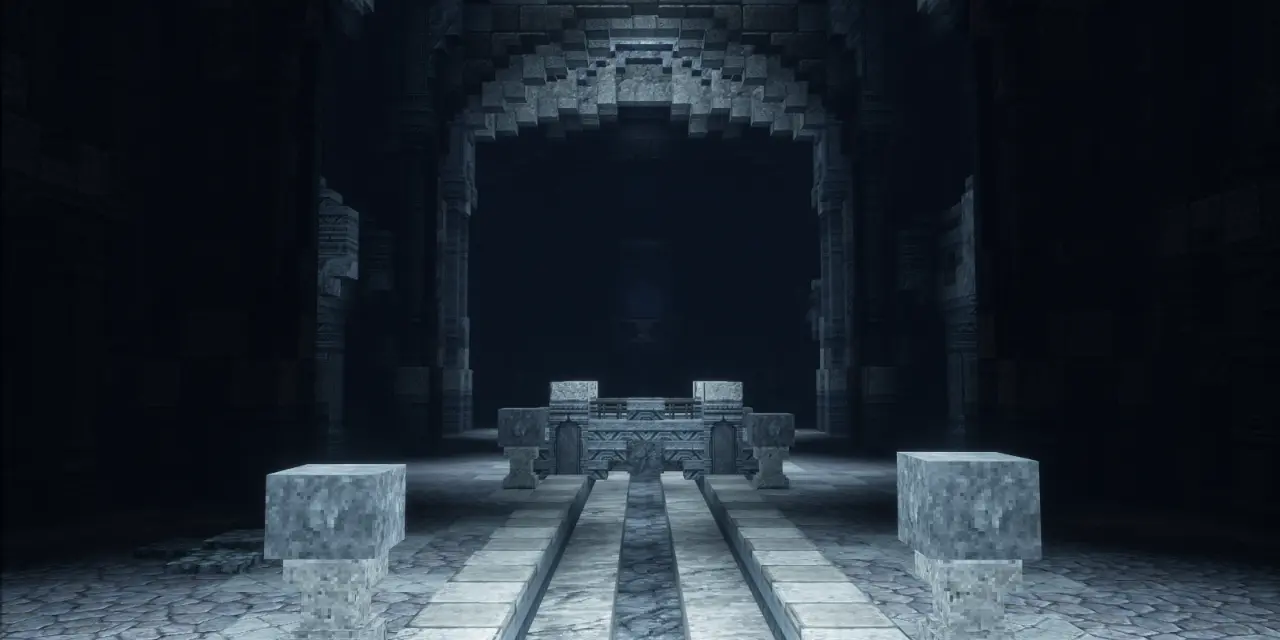
Throughout the Second Age, the number of dwarves in the Ered Luin steadily dwindled, and by the Third Age there were only a small amount of settlements, mostly on the eastern side of the mountains, and south of the Gulf of Lune. After the Battle of Fornost in T.A. 1975, King Arvedui briefly hid in an abandoned dwarven mine in the far north of the mountains, before moving on to Forochel.The population of the mountains experienced a slight resurgence after the Sack of Erebor, as King Thrain made his halls in the Ered Luin, taking most of Durin’s Folk with him. However, after his son Thorin’s successful retaking of the Lonely Mountain in T.A. 2941, most moved back to Erebor. At the end of the Third Age, only a few dwarves remain in the Blue Mountains.
Geography
The Ered Luin are situated to the east of Eriador, and almost entirely cut Lindon off from the rest of Middle-earth. They span almost the entirety of the north-western extremity of the continent, save for where the Gulf of Lune pierces the range at Mithlond. The East Road, which connects dwarven settlements in the Blue Mountains to those in the Iron Hills, terminates at the Ered Luin. Various dwarven halls and mines, both inhabited and abandoned, can be found within the mountains, as well as the sources of the Lune and Little Lune rivers.
Climate
The climate is generally cold and exposed, as befitting a mountain range. It is especially harsh in the north.
Culture
The dwarves of the Ered Luin are usually Firebeams or Broadbeams, and have lived in the Blue Mountains for many millennia. They are exceptionally skilled craftsmen, but have long dwindled, through emigration and low birth rates.
Governance
There is no formal ruler of the Ered Luin, especially since the departure of Thorin Oakenshield on his return to Erebor. It is likely that each settlement is highly autonomous and runs their own affairs.
Economy
The dwarves of the Ered Luin trade not only with their kin in other dwarven settlements, but with the hobbits of the Shire (from whence they source most of their food) and on occasion with the elves of Lindon. The dwarves are skilled craftsmen and make tools of quality far surpassing that of mannish works.