History
The Westfarthing was once a part of a hunting ground of the King of Arnor, and later Arthedain. Long deserted during the waning of the Northern Kingdom, it was granted to the Hobbits in the year T.A. 1601, along with the rest of the Shire. After the end of Arthedain in T.A. 1974, the Hobbits elected a Thain; four hundred years later, after Isembras Took became Thain, the title became hereditary, and henceforth all Thains were Tooks, cementing power in the Westfarthing. In T.A. 2941, the Quest of Erebor began from Bag End, in which Bilbo Baggins helped the Dwarves of the Lonely Mountain reclaim their home. He returned a year later, and was never quite the same again.
Geography
The Westfarthing is the largest farthing of the Shire, and borders all three other farthings, as well as having its own distinct regions. The easternmost point of the farthing is found at the Three-Farthing Stone, where the Westfarthing meets the extremities of the Eastfarthing and the Southfarthing. Some miles north of the Three-Farthing Stone, the Westfarthing borders the Northfarthing, a little to the north of Bywater. The border between the two continues north-west in an arbitrary fashion, just north of the course of the Water, until it reaches the edge of the Shire near the North Moors. From here, the western edge of the Westfarthing is the frontier of the Shire itself, and runs southwards. After following the western slopes of the White Downs, the border juts out westwards to include some of the Far Downs, before turning back eastwards around the end of the White Downs until it meets the border of the Southfarthing. The shared border then continues almost directly north-east back to the Three-Farthing Stone.
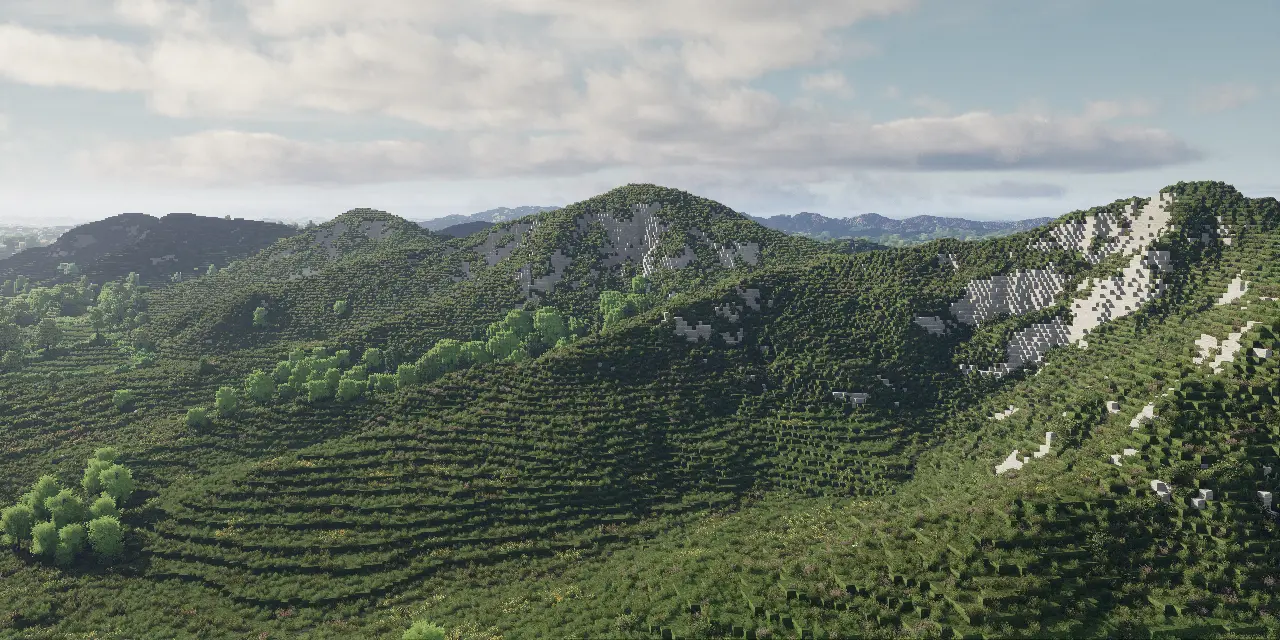
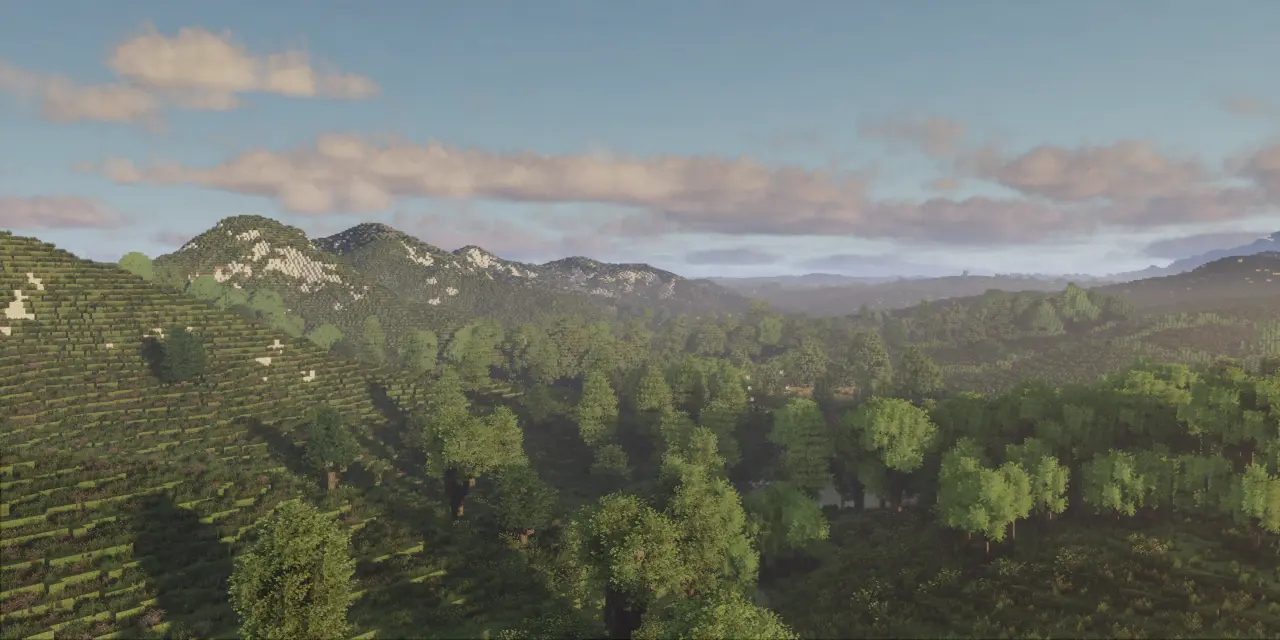
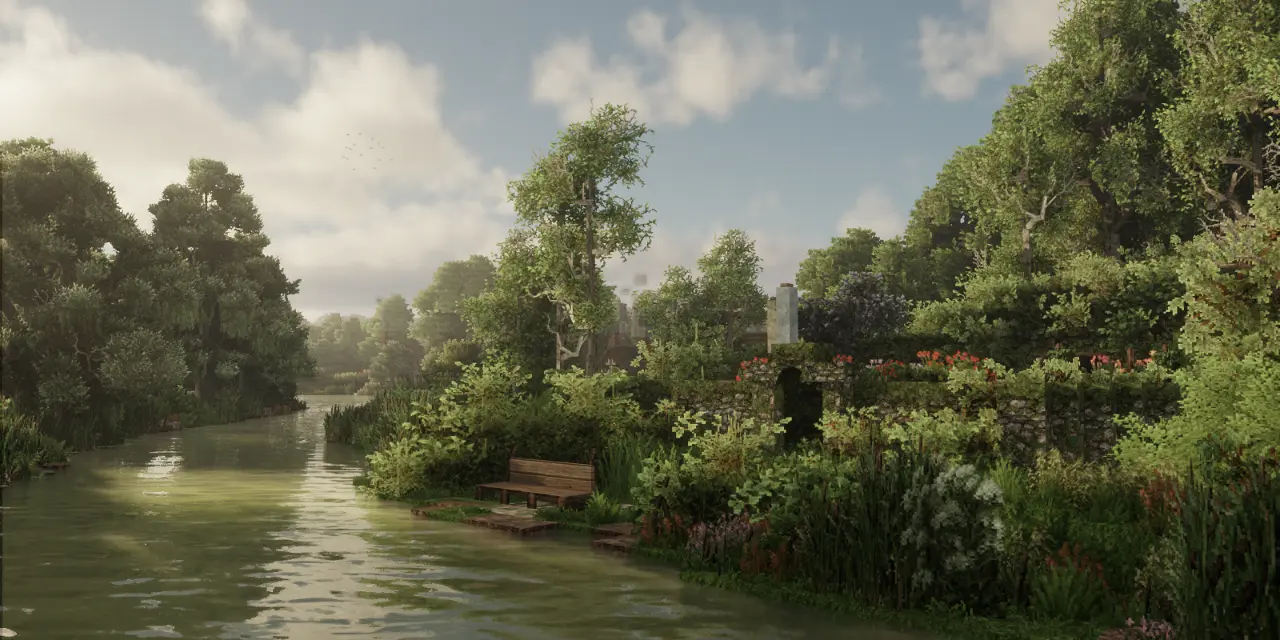
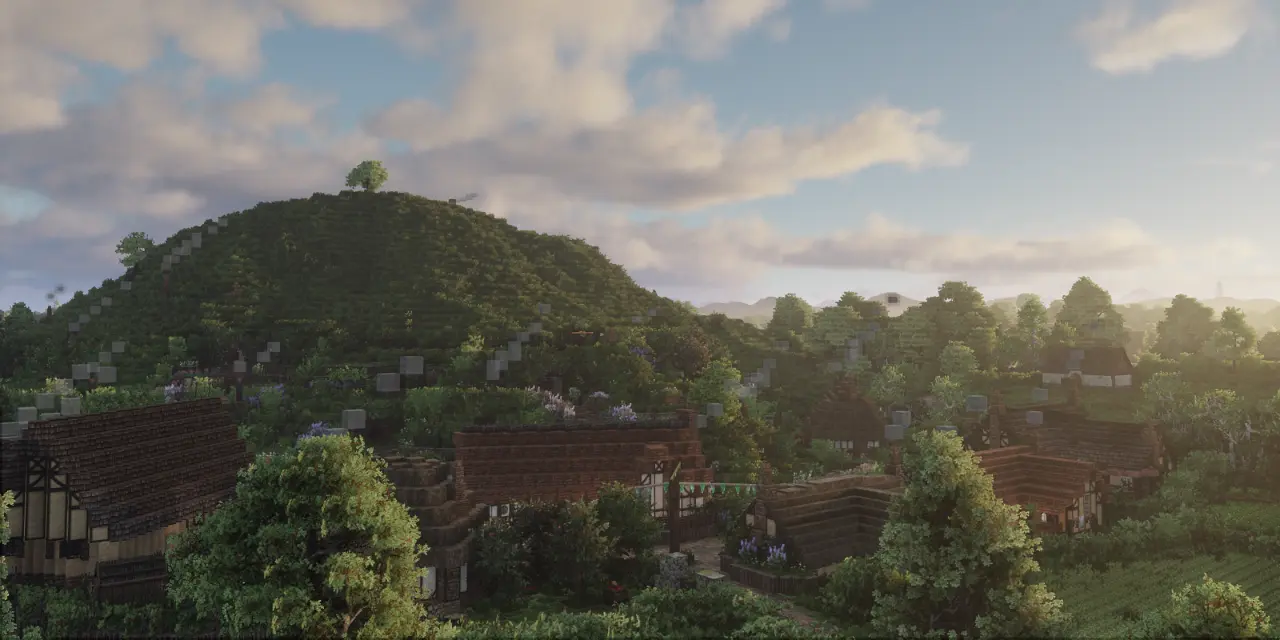
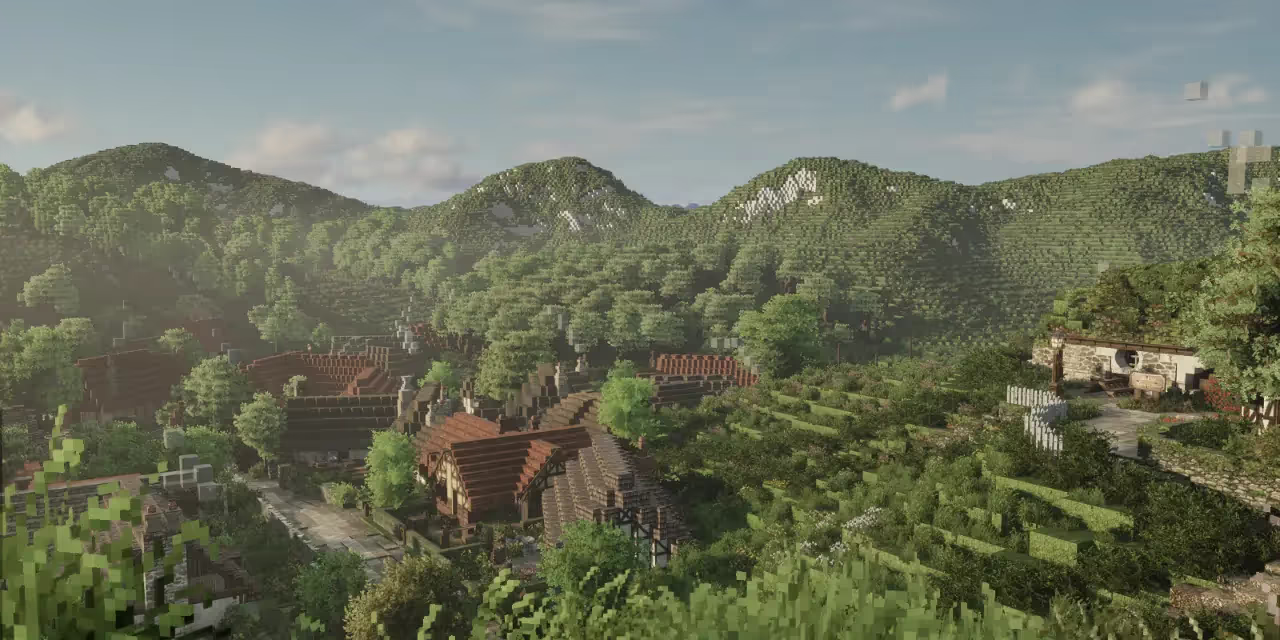
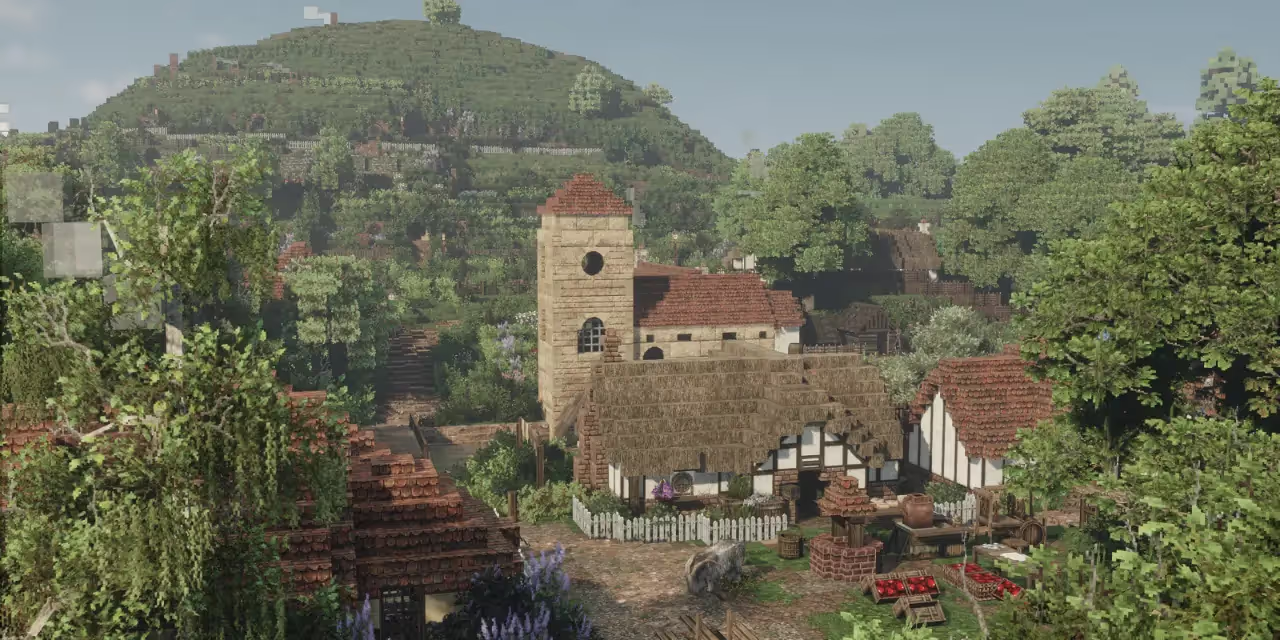
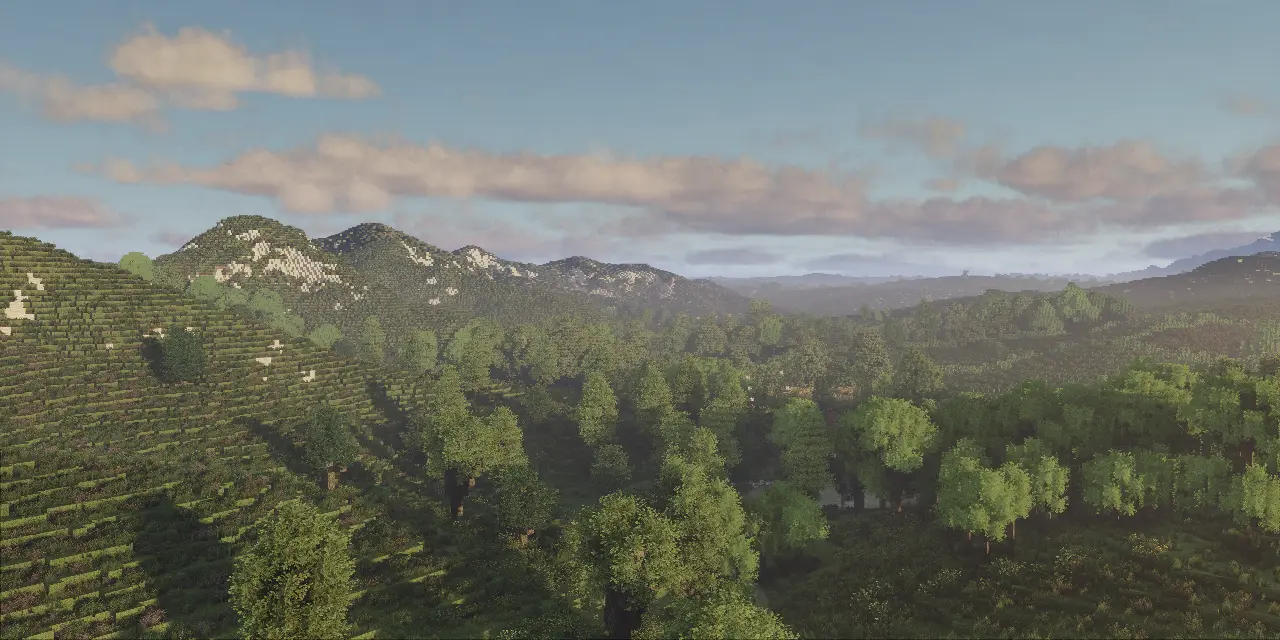
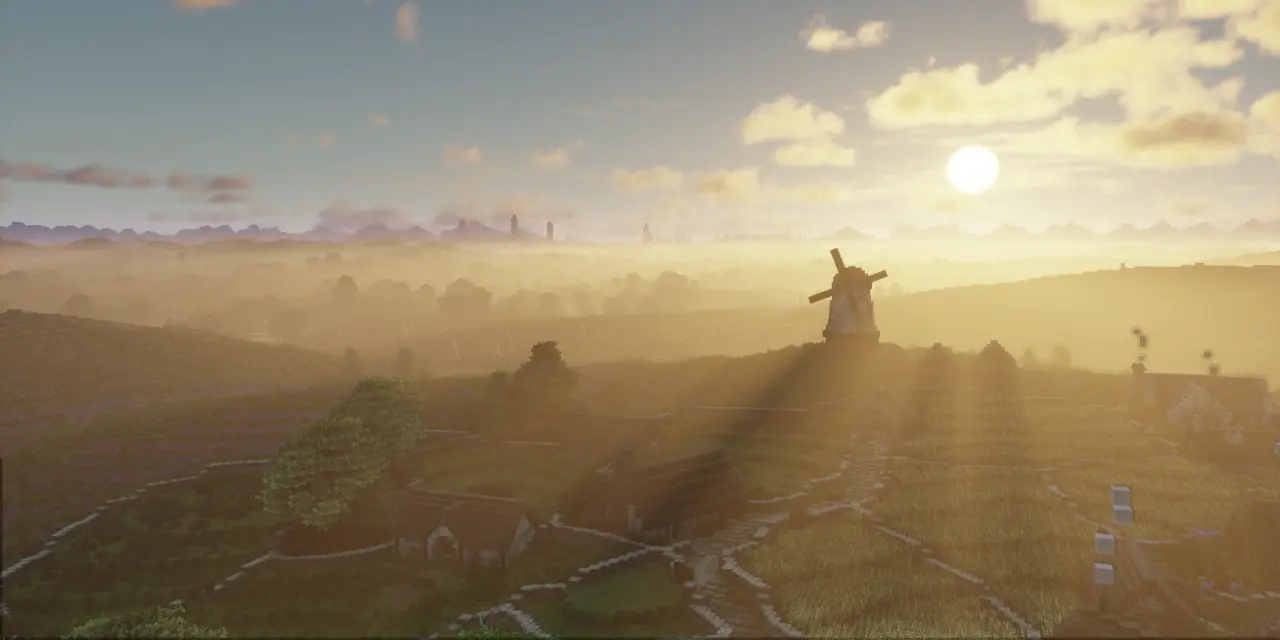
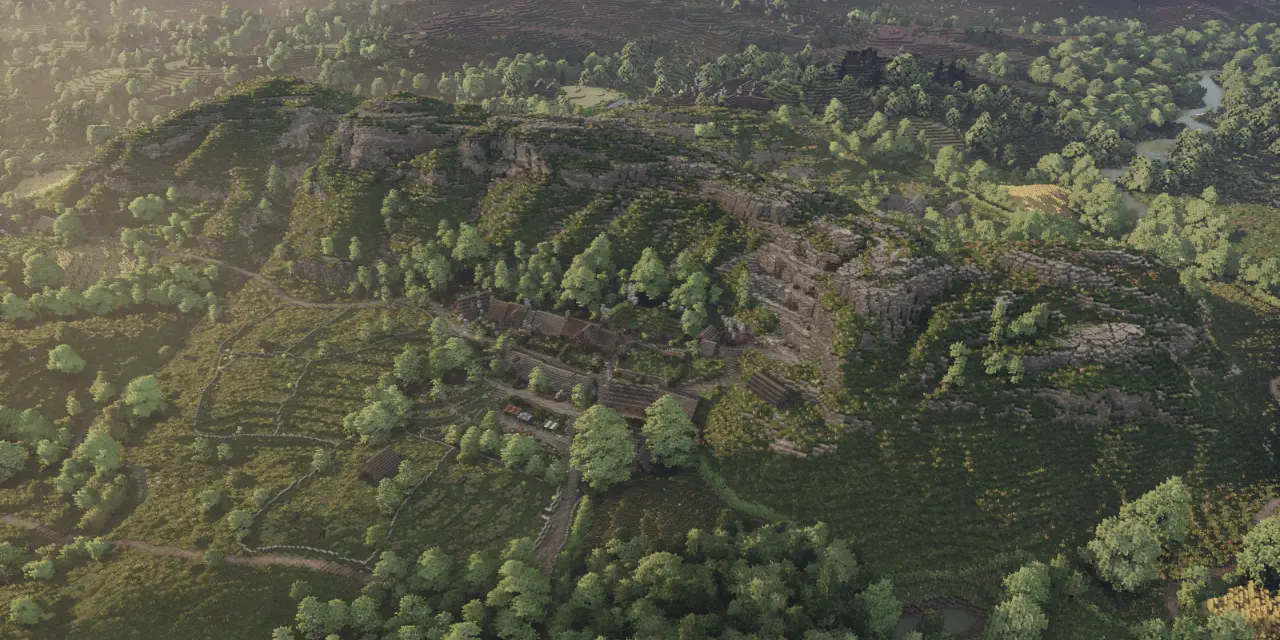
There are three series of hills important to the Westfarthing; Green Hill Country, shared with the Southfarthing and the Eastfarthing, is a part of Tookland, greatly influenced by the Took Family from their home in the Great Smials of Tuckborough. The White Downs, and the Far Downs beyond them, are two lines of hills on the western border of the Shire. Beyond them, no Hobbit dares go, though they know of the White Towers and the Sea. Within the White Downs is the town of Michel Delving, de-facto capital of the Shire. Here, the Mayor of Michel Delving hosts the Free Fair, as well as other events, and the Mathom-house is the chief museum of the Shire. The East Road passes through Michel Delving, as well as the Westfarthing itself. Dwarves and Elves use this road on their way to Rivendell, Lindon, the Ered Luin and beyond, though they seldom communicate with the Hobbits, who reciprocate this behaviour. The Water also has much of its course in the Westfarthing, and perhaps its source in the northern parts of the farthing. It flows on a south-easterly course, through Rushock Bog, and passes through Hobbiton, powering the mill. Beyond Hobbiton, it flows into Bywater Pool, then into the Eastfarthing towards the Brandywine River.
Climate
The climate of the Westfarthing is generally temperate, with snow rarely being seen, save for exceptional events such as the Long Winter and the Fell Winter.
Culture
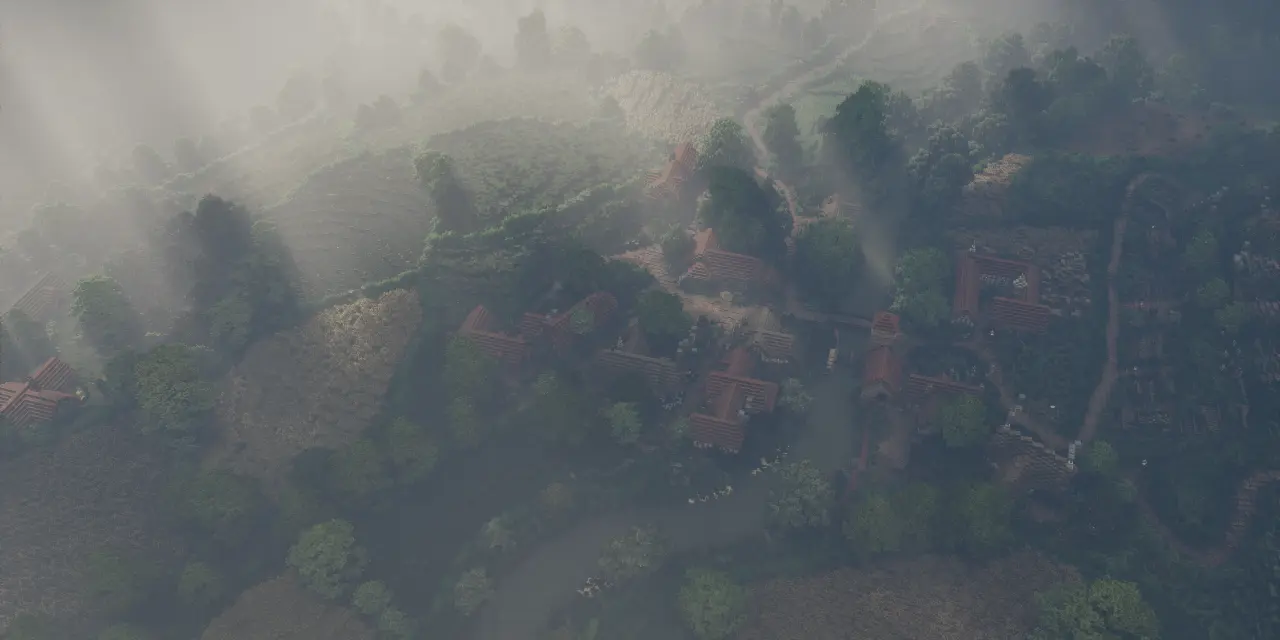
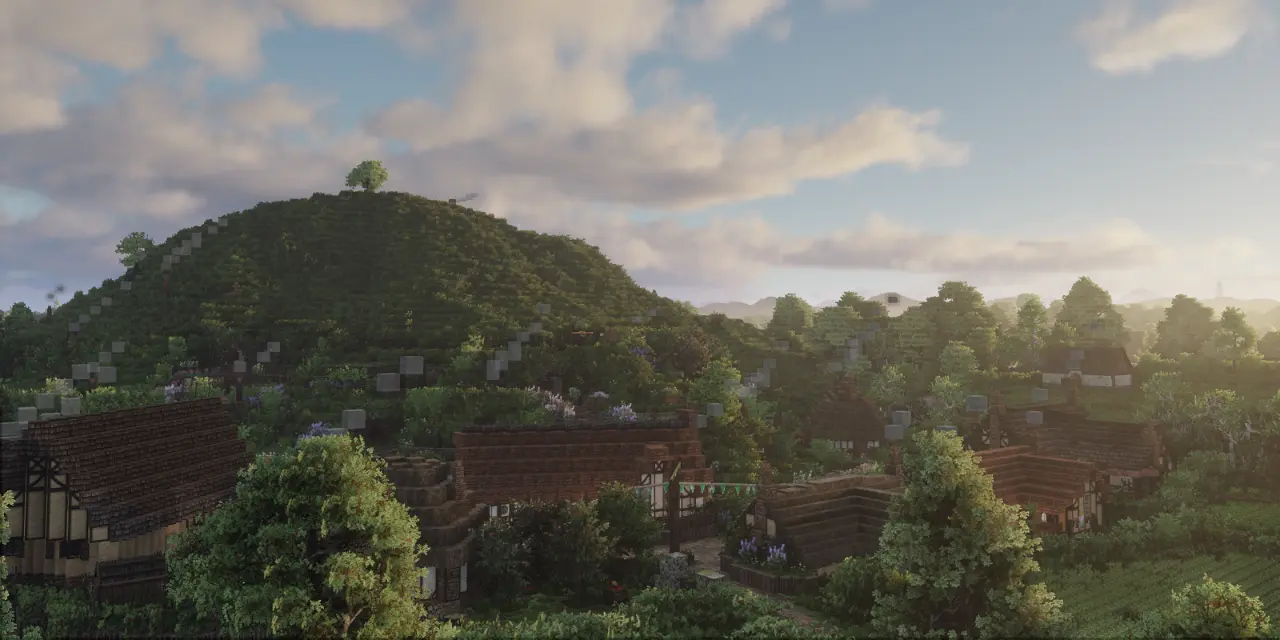
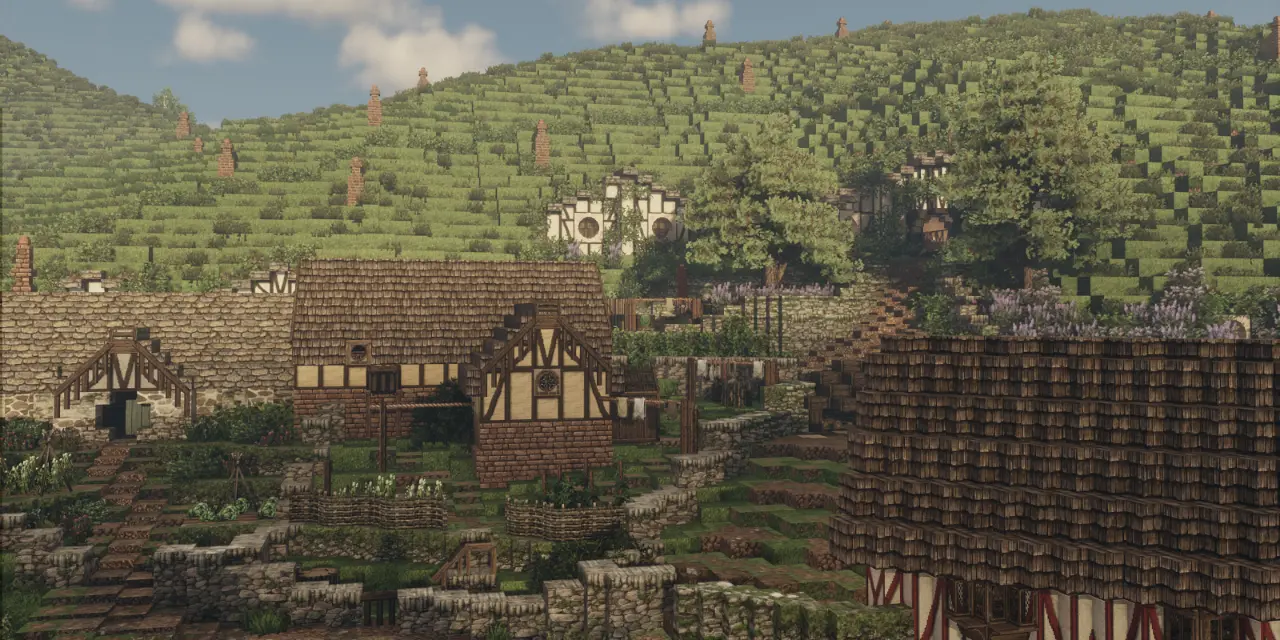
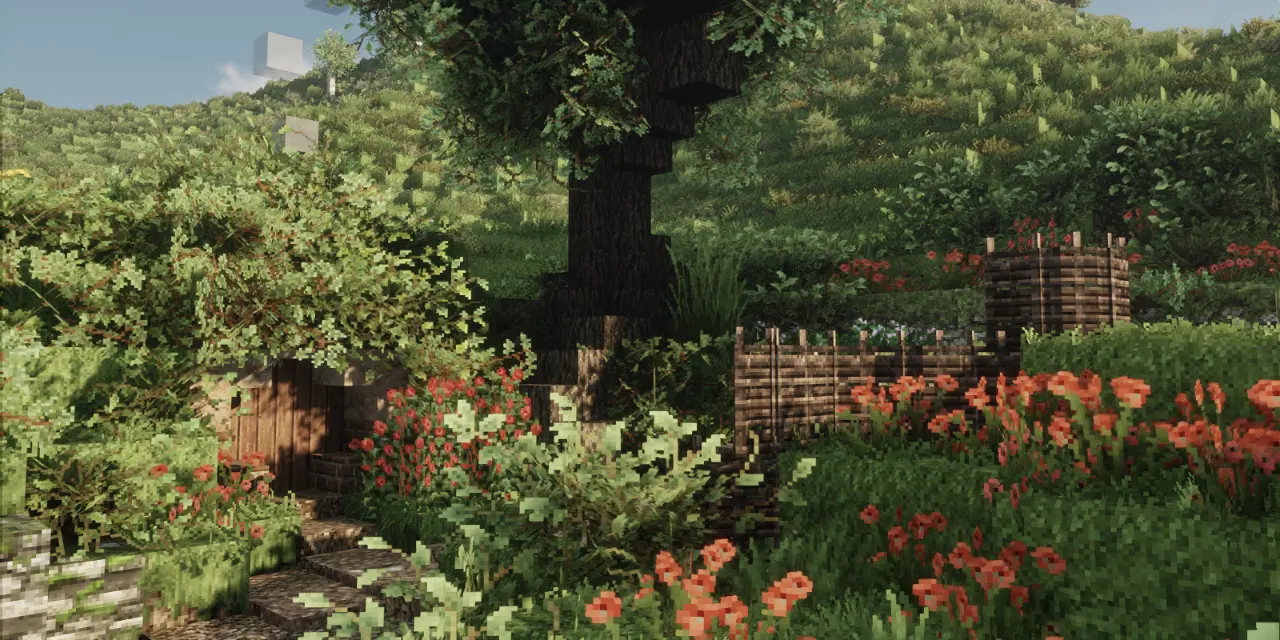
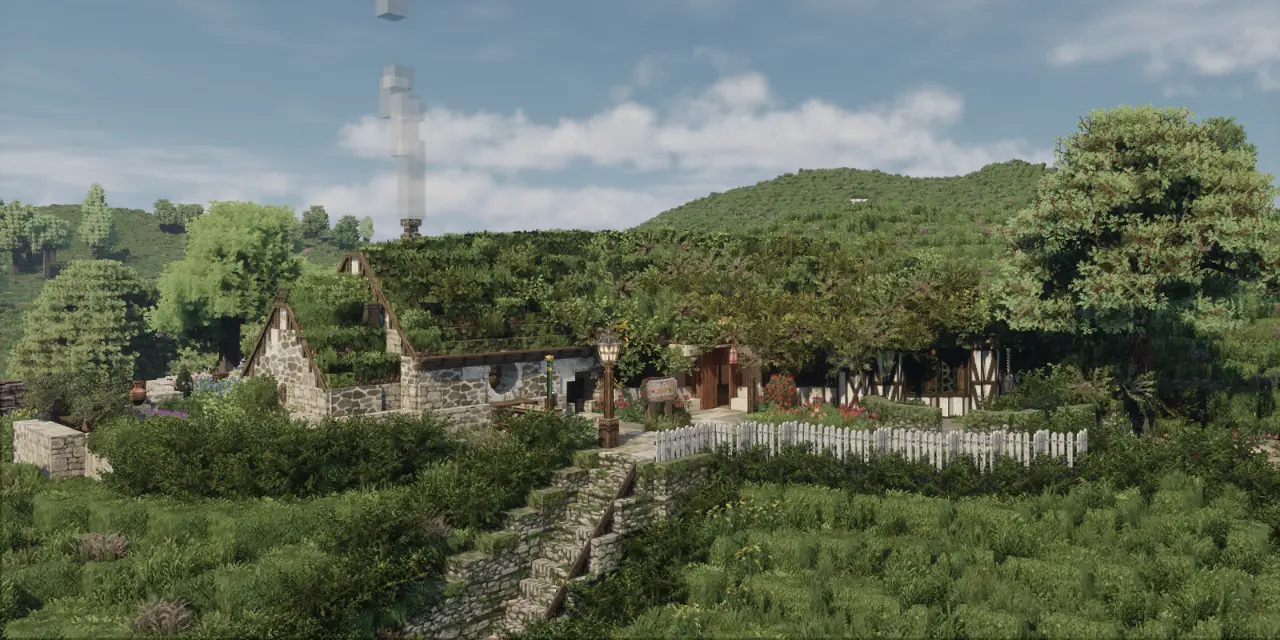
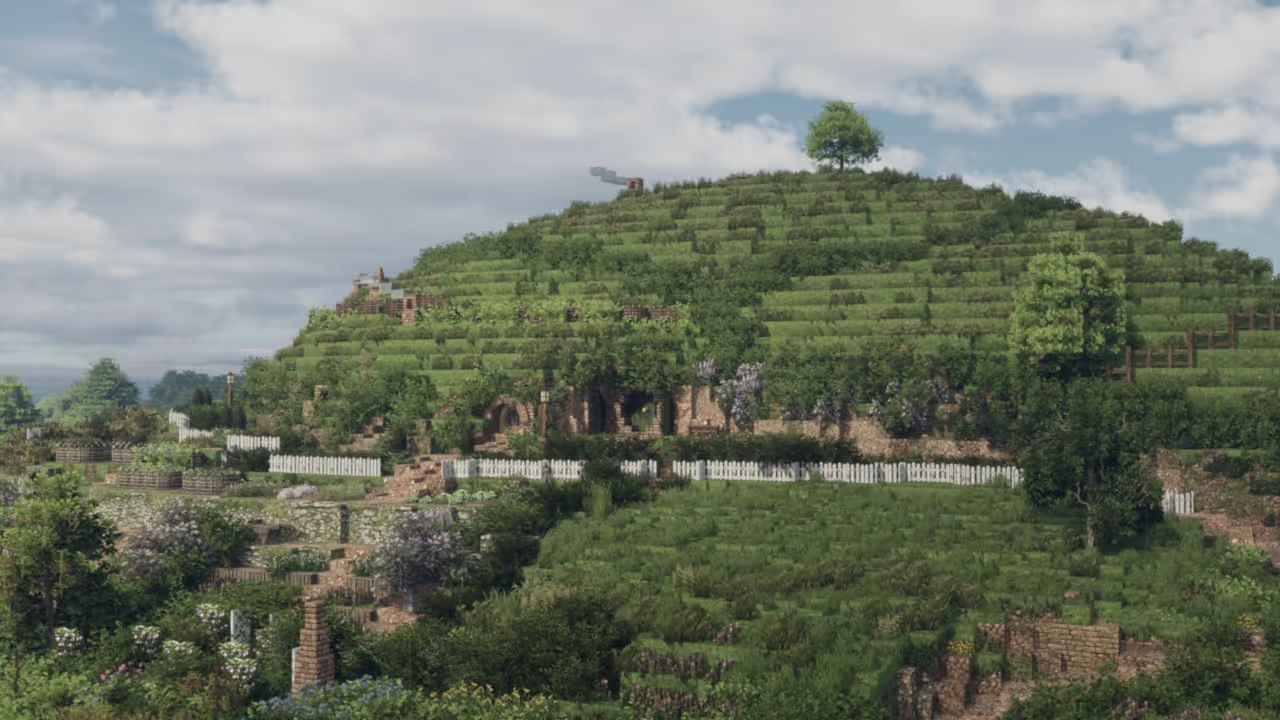
The Westfarthing is the centre of Hobbit culture; the Free Fair is held every seven years at Michel Delving, in which the Mayor is elected, and Hobbiton and Tuckborough are both major settlements in the Shire. The Westfarthing is culturally hobbitish, with plenty of eating and drinking, and a general lack of ambition. They take little interest in the outsiders who do come through, and view Hobbits who do so with suspicion. Many Hobbits, especially particularly rich or poor ones, live in smials. The Mathom-house in Michel Delving is where many items of interest are kept, including, for a time, Bilbo Baggins’ mithril shirt.
Governance
As with the rest of the Shire, the Hobbits of the Westfarthing still consider themselves subjects of the King of Arthedain. In Green Hill Country, the Took family have a great deal of sway, with the Thain being a hereditary office of the family. In addition, the Mayor of Michel Delving is elected every seven years, but this is mainly a sinecure. Both roles are mainly ceremonial, and Hobbits are generally free to run their own lives. The Messenger Service and the Bounders both serve the Hobbits of the Westfarthing. The Westfarthing has three Shirriffs, charged with keeping the peace and protecting the borders, though unbeknownst to the Hobbits, it is the Rangers of the North who do most of the work.
Economy
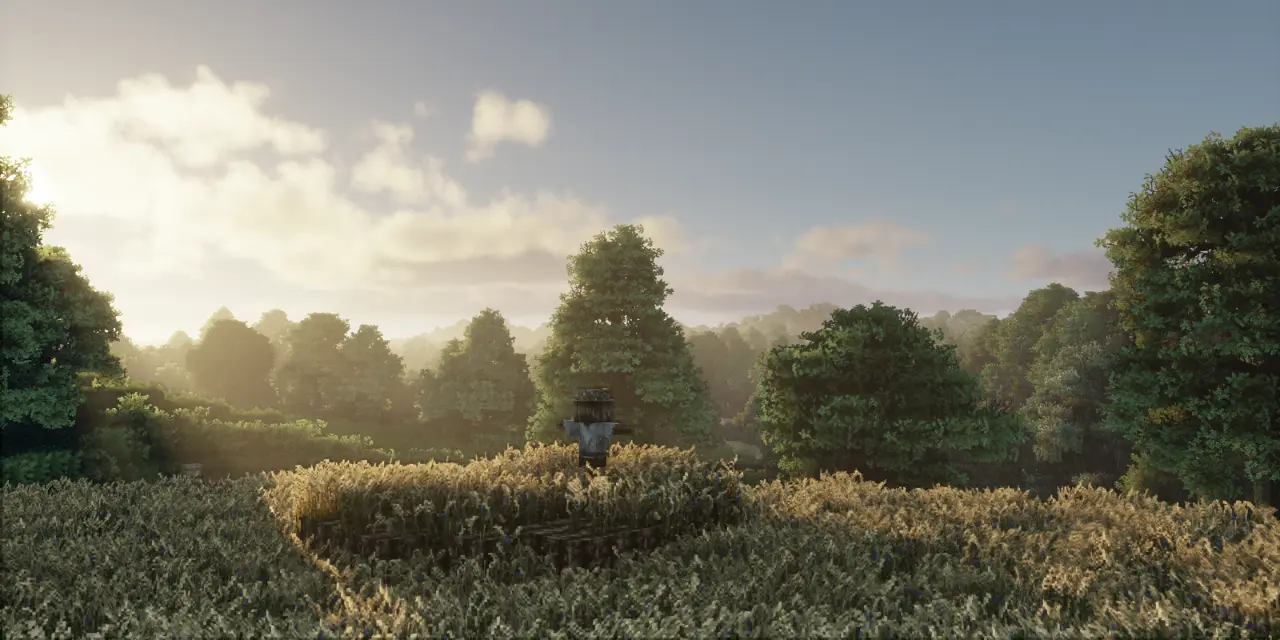
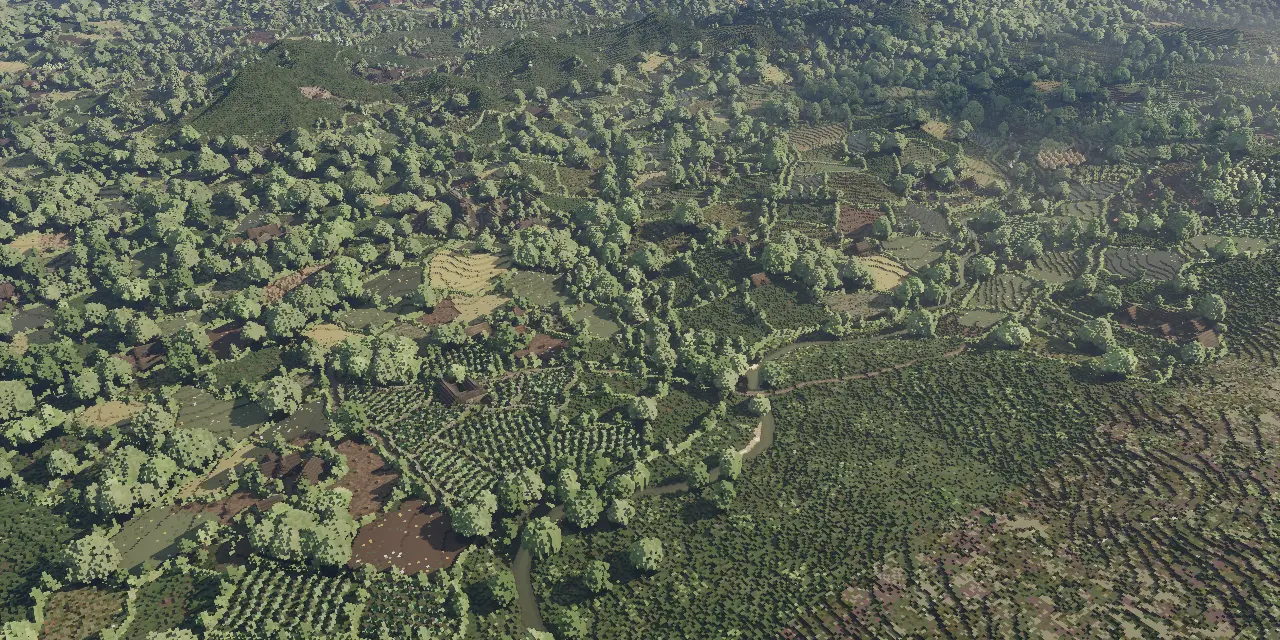
The economy of the Westfarthing is generally agrarian, with some families, such as the Tooks and the Bagginses, owning a lot of the land.